Русский
 English
 ქართული
 Français
 Türkçe
 Հայերեն
 Қазақша
 Polski
 Azərbaycanca
 O'zbekcha
 中文
 Deutsch
 Español
 العربية
 فارسی
 हिन्दी
 עברית
 Housing 4 min read
Buying an Apartment in Georgia: Documents and Registration
 GustawsonEditorial Team · Bebgur
Buying an apartment in Georgia is quicker and simpler to arrange than in many European countries: there's no separate tax on the purchase, registration is fast, and there's no meaningful difference in rights between a Georgian citizen and a foreigner.
Here's the process step by step: what documents you need, how long registration takes, and whether you can buy an apartment without visiting the country in person.
The Step-by-Step Buying Process
- Checking the property. The seller provides an extract from the Public Registry showing who the owner is and whether the apartment has any liens, seizures, or other encumbrances. This is also the point to check the apartment's area and layout against what's officially registered: a discrepancy from an unauthorized renovation by a previous owner becomes the new owner's problem.
- The sale and purchase agreement. Both parties sign a written contract, either at the Public Service Hall in front of a registry officer or at a notary; notarization is optional.
- Payment. The buyer transfers money to the seller under the contract's terms, usually to a bank account.
- Registering ownership. The new owner files documents with the Public Registry and receives an official extract in their name.
What Documents You Need
The standard document package for the deal includes:
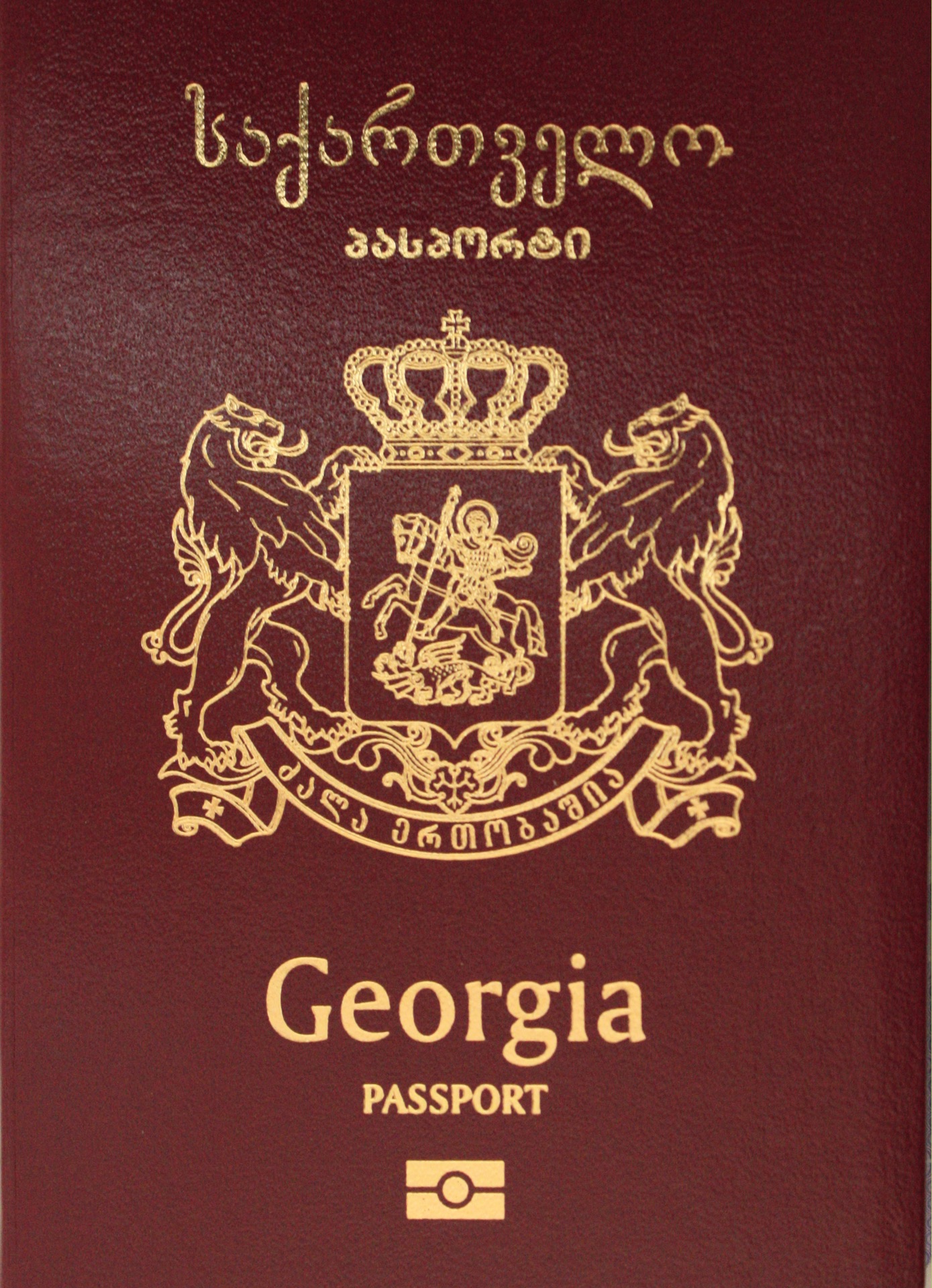
- A passport or other identity document for both the buyer and the seller.
- The sale and purchase agreement, signed by both parties.
- The seller's title document, confirming they actually have the right to sell the property.
- Proof of payment for the registration fee and, if you use one, the notary's services.
If a representative is handling the deal on the buyer's behalf, a notarized power of attorney with clearly stated powers is also required: it should explicitly grant the right to sign the sale and purchase agreement, make the payment, and file the registration documents, rather than relying on a general phrase like "represent my interests."
Registration Timeline and Cost
Standard registration of ownership at the Public Registry takes up to 4 business days. For an extra fee, expedited registration is available, and in some cases the ownership extract is ready the same day the documents are filed. Registration itself isn't subject to a separate purchase tax, only a small registration fee, while an optional notary charges around 0.1-0.3% of the deal amount.
Buying Remotely by Power of Attorney
You don't have to visit Georgia in person to buy an apartment. The entire deal, from signing the contract to registration, can be handled by a trusted representative, lawyer, or agent if you grant them a notarized power of attorney.
An apostille, a special stamp confirming a document's authenticity for use abroad, is issued in the country where the power of attorney was drawn up, usually by a notary or an authorized government body where the buyer lives. After apostilling, the power of attorney needs to be translated into Georgian by a certified translator before a notary or the Public Registry in Georgia will accept it.
Payment under this arrangement is usually made by bank transfer directly from the buyer's account rather than in cash through the representative, so the deal has a transparent financial trail.
Property Tax After Buying
For individuals, property tax in Georgia depends not on whether you live in the apartment yourself but on the family's annual income: since 30 September 2026, it only applies if the family earned more than 100,000 lari in the previous year, at 0.8% to 1% of the property's market value.
Property that is rented out is also part of the tax base, so when choosing between buying for yourself and buying as an investment, estimate in advance how the family's income and tax burden will change.
What Currency to Pay In
Listings almost always quote real estate prices in dollars, but the contract itself and the payment can be made in either lari or dollars, that's up to the parties to agree on.
When paying in lari, the amount is usually converted at the National Bank of Georgia's exchange rate on the day of the deal, and it's worth locking in that rate in the contract in advance to avoid disputes if the rate shifts between signing and the actual transfer of funds.
What to Check Before Signing
- Whether the seller named in the contract matches the owner shown in the Public Registry extract.
- Whether the property has any unregistered renovations that could cause problems in a future sale.
- Whether the contract states the exact area, address, and cadastral number of the property, not just a general description.
- Whether the contract spells out how the money is returned if registration falls through for any reason.
- What language the contract is written in: if the original is only in Georgian, it's worth arranging a certified translation in advance rather than relying on a verbal summary.
Before moving ahead with the paperwork, check prices by district first: they vary widely for real estate in Tbilisi, and on the coast, prices for real estate in Batumi depend above all on how close the property is to the sea.

Frequently Asked Questions
The standard set: a passport or other identity document, the sale and purchase agreement, a document confirming the seller's ownership, and proof of payment. If a representative handles the purchase, a notarized power of attorney is also required.
Standard registration at the Public Registry takes up to 4 business days. An expedited procedure is available for an extra fee, and in some cases ownership is registered the same day.
Yes, the entire deal can be handled remotely through a notarized and apostilled power of attorney for a lawyer or representative in Georgia. The power of attorney needs to be translated into Georgian before it can be used.
No, it is optional. Georgian law requires a written contract registered with the Public Registry, and you can sign it at the Public Service Hall. A notary, at 0.1-0.3% of the deal amount, is usually needed for deals by power of attorney or with a mortgage.
It depends on the family's annual income, not on whether you live in the apartment yourself: since 30 September 2026, an individual pays property tax only if the family earned more than 100,000 lari in the previous year, at 0.8% to 1% of the property's market value. Rented-out property is also part of the tax base.