Русский
 English
 ქართული
 Français
 Türkçe
 Հայերեն
 Қазақша
 Polski
 Azərbaycanca
 O'zbekcha
 中文
 Deutsch
 Español
 العربية
 فارسی
 हिन्दी
 עברית
 Life 5 min read
Winter Heating in Georgia: Gas Boilers, Air Conditioners, Tariffs and Bills
 GustawsonEditorial Team · Bebgur
Georgia has no central heating. The city boiler plants shut down in the 1990s, and every apartment has heated itself ever since. A gas boiler with radiators is the cheapest way to do it; an inverter air conditioner costs roughly one and a half times as much to run, and an electric heater about four times as much.
With a boiler, January's gas bill comes to about 80-140 lari; heating with air conditioners alone, the electricity bill runs 150-270 lari. The rest comes down to tariffs, picking the right apartment for the winter, boilers, safety, and who fixes the heating in a rental.
Why there is no central heating
The municipal boiler plants ran on gas and went cold after 1991. Their equipment was stripped, and according to the World Bank not a single working district heating system is left. When a listing says "central heating" (ცენტრალური გათბობა), it means the apartment's own gas boiler with radiators in every room.
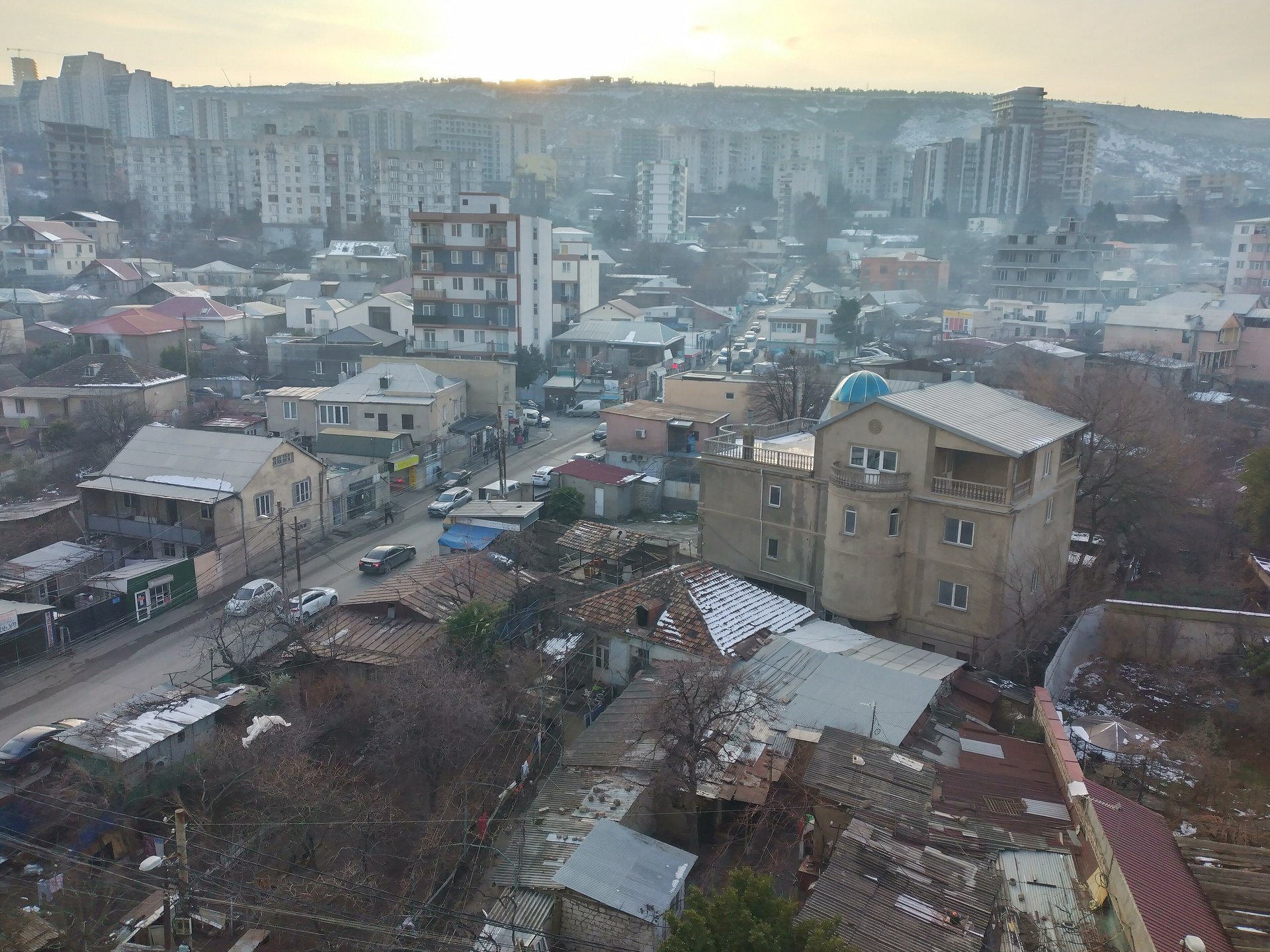
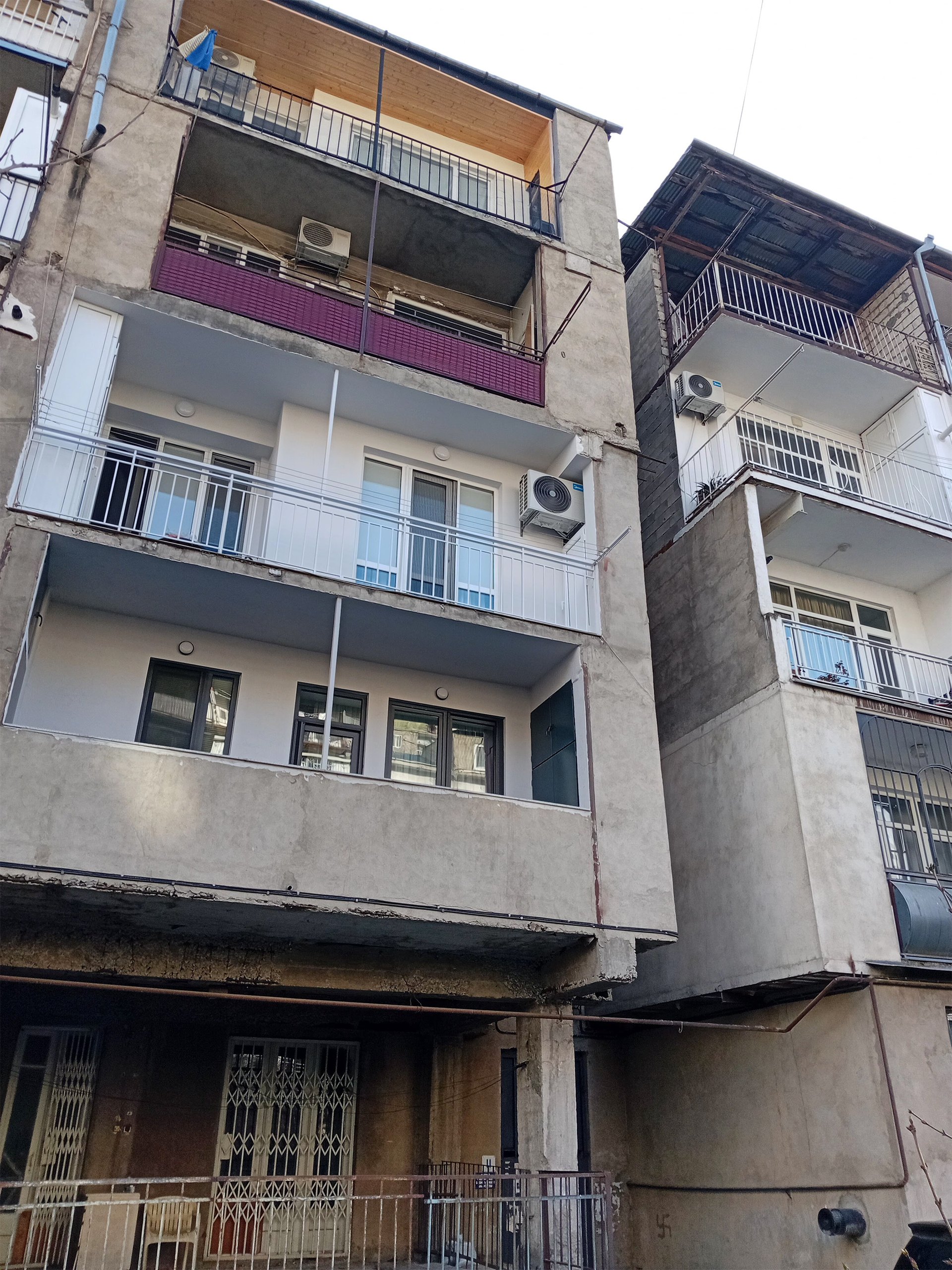
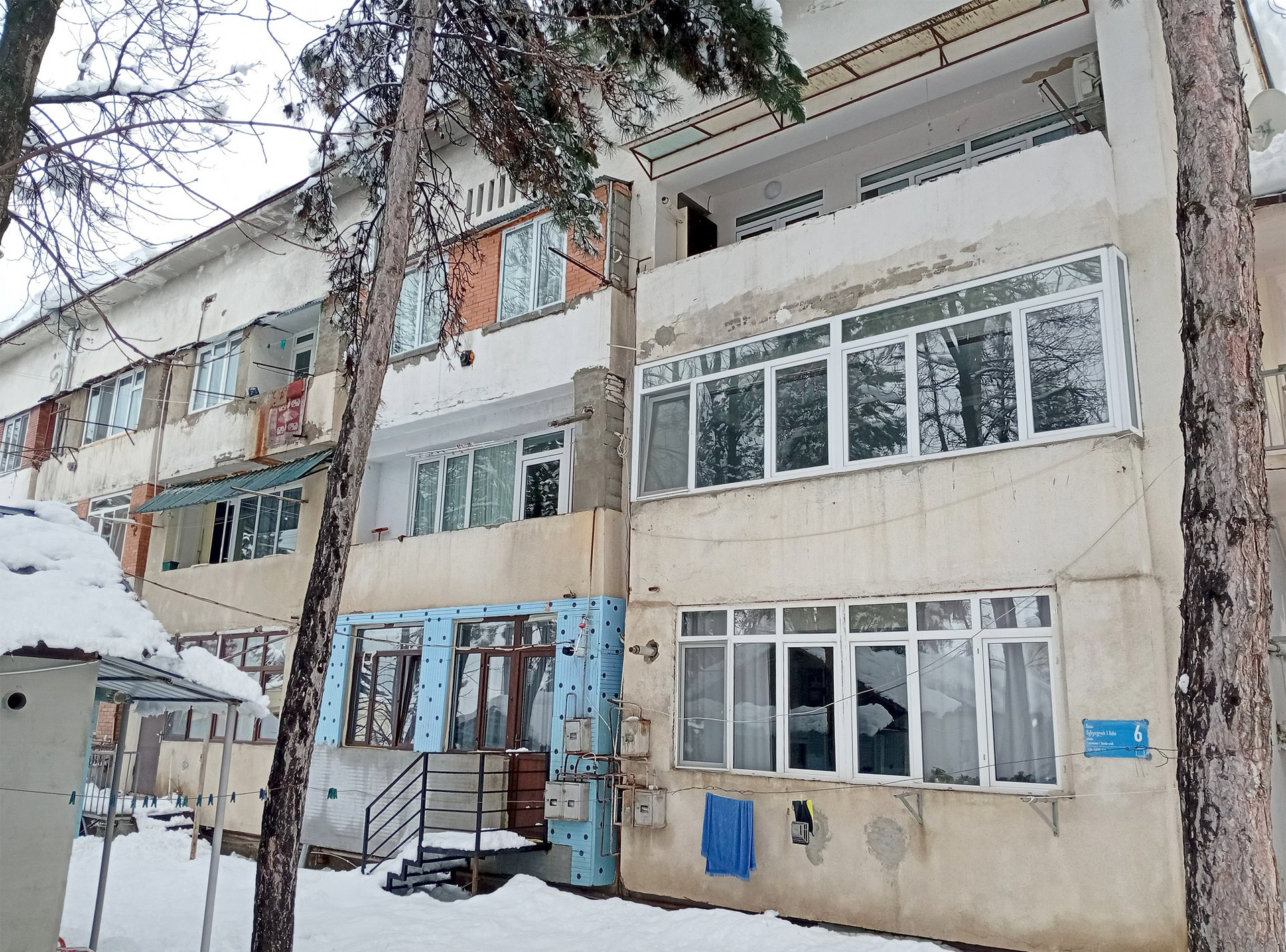
About two thirds of Tbilisi residents live in Soviet-era blocks that leak heat: single-pane windows, thin walls and often a single gas heater for the whole apartment. New builds usually come with a boiler, radiators and double-pane windows, and that does more for comfort and bills than any appliance you could buy.
Heating options and what each one costs
Here is what one kilowatt-hour of heat costs at Tbilisi's 2026 tariffs (our own math):
| Method | Cost per kWh of heat | Notes |
|---|---|---|
| gas boiler with radiators | 6-7 tetri | heats the whole apartment, needs a service before winter |
| gas heater vented through the wall | 6-7 tetri | usually heats one room |
| inverter air conditioner | 8-11 tetri | heats quickly, dries the air |
| oil-filled or electric heater | 24-29 tetri | cheap to buy, expensive to run |
Out in the villages and the mountains, firewood is the main fuel, since many high-mountain settlements have no gas supply at all. In the cities gas reaches almost every building, and most Tbilisi apartments run on it.
Gas and electricity tariffs
Household gas costs 53.97 tetri per cubic meter in Tbilisi (Tbilisi Energy) and 56.93 tetri in most of the regions, Adjara included (SOCAR). The rate is flat, the same all year with no usage tiers, and the regulator GNERC has locked it in through the end of 2027.
Electricity is billed in tiers based on monthly use. Since 1 April 2026, Tbilisi pays 20.04 tetri per kWh up to 101 kWh, 24.05 from 101 to 301 and 28.54 above 301; the regions pay slightly less. Heat with electricity and nearly all of your winter use lands in that third, most expensive tier. Like other utility bills in Georgia, electricity is paid by account number in your banking app.
What a winter costs
An apartment with a gas boiler burns through 150-250 m³ of gas in January, about 80-140 lari. Heat with air conditioners alone and January's electricity bill comes to roughly 150-270 lari; swap those for oil-filled heaters and it can easily hit 350-400 lari.
The best predictor of your own costs is last winter's bills, so ask the landlord for them before you sign. The cold, snowy January of 2026 handed plenty of households a hefty gas bill even though the tariff never moved.
Gas boilers: what they cost to buy and service
A 24 kW combi boiler, which handles both heating and hot water, runs 1,500-2,800 lari in Tbilisi stores (Midea, Bosch, Ariston, Beretta, Ferroli); a condensing model is about 4,400 lari. Installers quote 2,500-5,000 lari for a complete system with radiators in a 50-80 m² apartment.
Get the boiler and any gas heaters cleaned before the season starts: technicians advertising in the classifieds charge about 50-80 lari plus a trip charge. Under the regulator's rules, a new or repaired gas appliance has to be inspected by the gas company before it goes on, and you book that inspection with them.
Safety: carbon monoxide
In 2025 Georgia recorded 49 carbon monoxide poisonings and 15 deaths, a third more than the year before. Gas leaks also set off 14 explosions. Heaters with an open combustion chamber and no vent through the wall are banned; Tbilisi Energy inspects apartments once a year and pulls them out.
Don't block the vents, and never sleep in a room with an unvented heater running. A gas and carbon monoxide detector is worth buying even if the landlord won't provide one. If you smell gas, close the valves, open the windows, get out and call 114; if anyone's life is in danger, call 112. The Tbilisi Energy hotline is 2 40 40 04, and SOCAR's is 16 114.
An air conditioner instead of a boiler
Modern inverters keep heating down to -15°C, and a Tbilisi January runs around +7°C by day and close to zero at night, so an air conditioner stays well inside its efficient range. A 12,000 BTU split system costs roughly 1,200-2,000 lari, plus 200-500 lari for installation.
An air conditioner dries the air out, so as the sole source of heat it works best in small apartments and mild winters. In an apartment with a boiler it makes a handy backup for when the gas goes out.
Renting for the winter
When you rent an apartment in Georgia for the winter, find out how it's heated, what the windows are like, which way it faces and whether there's mold in the corners. Ask to see the gas and electricity bills for January and February.
Under the Civil Code, the landlord has to keep the place livable for the entire lease. If they won't repair a boiler that failed through no fault of the tenant, the tenant can have it fixed and bill them for the cost. Minor upkeep is generally on the tenant, so spell out in the lease who pays for the boiler service.
Gas and power outages
Big outages happen in winter too: in February 2025 a damaged pipeline left about 150,000 customers in Vake and Saburtalo without gas for almost two days. Telasi posts planned and emergency power outages in Tbilisi on telasi.ge; its hotline is (032) 277 99 99.
So if you heat with a gas boiler, keep an electric backup; if you heat with air conditioners, keep a gas or oil-filled heater in reserve.
Batumi and the mountains
Batumi's winters are mild, and many apartments get by on air conditioners alone. The real enemy there isn't cold but damp and mold, so you'll want a dehumidifier and a habit of airing the place out. Winter humidity in Batumi sits at 70-80%: on the coast, the climate in Georgia is gentle but wet.
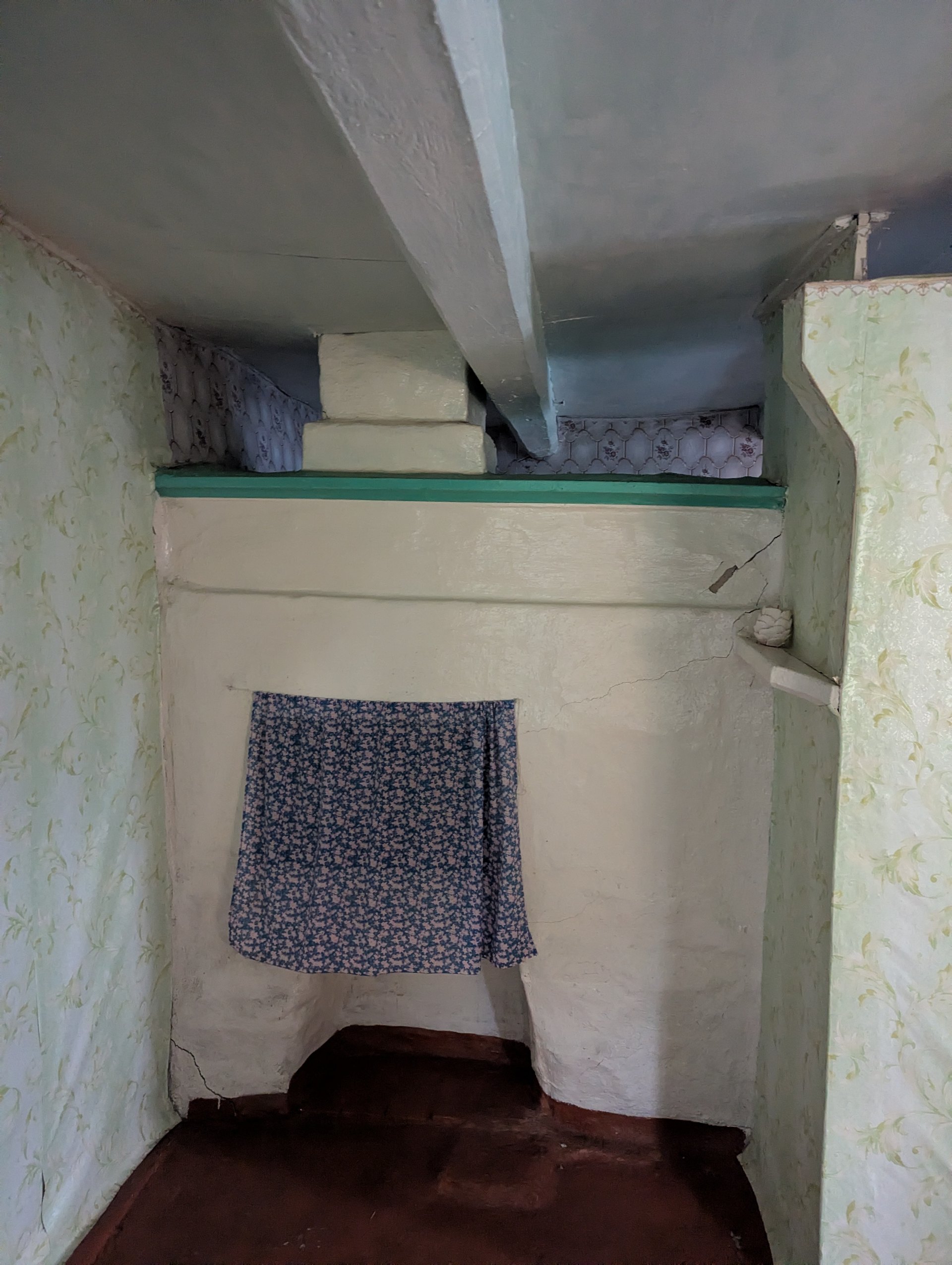
Mountain villages heat with wood-burning stoves. If you're renting at a resort for the whole winter, check ahead of time how the place is heated and who pays for the electricity.
Heating subsidies
In winter, Tbilisi City Hall covers up to 106 lari a month toward electricity, water and trash collection, and the state offers an electricity discount in the regions. Both programs are reserved for families in the social vulnerability database who are registered in Georgia, so in practice foreign tenants don't qualify. There is no gas subsidy.
Key takeaways
- There is no central heating; "central heating" in listings means the apartment's own boiler with radiators.
- Gas costs about 54 tetri per m³ in Tbilisi and 57 in the regions, with the rate approved through the end of 2027.
- With a boiler, January costs 80-140 lari in gas; with air conditioners, 150-270 lari in electricity.
- An electric heater costs four times as much to run as gas, and almost all of its use falls into the most expensive tier.
- Unvented heaters are banned, a gas detector is a must, and if you smell gas, call 114.
- In a rental, the landlord fixes a broken boiler unless the tenant caused the fault.
Frequently Asked Questions
No. The city boiler plants shut down in the 1990s, and every apartment heats itself with a gas boiler and radiators, gas heaters, air conditioners or electric heaters. "Central heating" in listings means the apartment's own boiler.
A gas boiler: its heat costs about 6-7 tetri per kWh, against 8-11 tetri from an inverter air conditioner and 24-29 tetri from an electric heater. Heat with electricity and nearly all of your use lands in the most expensive tariff tier.
With a gas boiler, January burns through 150-250 m³ of gas, about 80-140 lari. Heating with air conditioners alone, January's electricity bill comes to roughly 150-270 lari, and with oil-filled heaters it can reach 350-400 lari.
Under Georgia's Civil Code the landlord has to keep the home livable for the entire lease, so a boiler that failed through no fault of the tenant is theirs to fix. If the landlord drags their feet, the tenant can have it repaired and bill them for the cost. Spell out routine servicing in the lease.