Русский
 English
 ქართული
 Français
 Türkçe
 Հայերեն
 Қазақша
 Polski
 Azərbaycanca
 O'zbekcha
 中文
 Deutsch
 Español
 العربية
 فارسی
 हिन्दी
 עברית
 Education 6 min read
Learning Georgian: Where to Study, Costs and When You Need It
 GustawsonEditorial Team · Bebgur
You can live in Georgia perfectly well without speaking Georgian. Neither a residence permit nor most jobs require it, and in Tbilisi and Batumi, Russian or English will see you through most days. The language only becomes compulsory if you want citizenship. Still, it opens doors that otherwise stay shut: state schools, government offices and real conversations with the neighbors.
This guide looks at how hard Georgian really is, when you'll actually need it, where to learn it for free and where to pay, what courses and tutors cost, which apps are worth your time, how the citizenship exam works, and a handful of phrases to get you through your first week.
What makes Georgian different
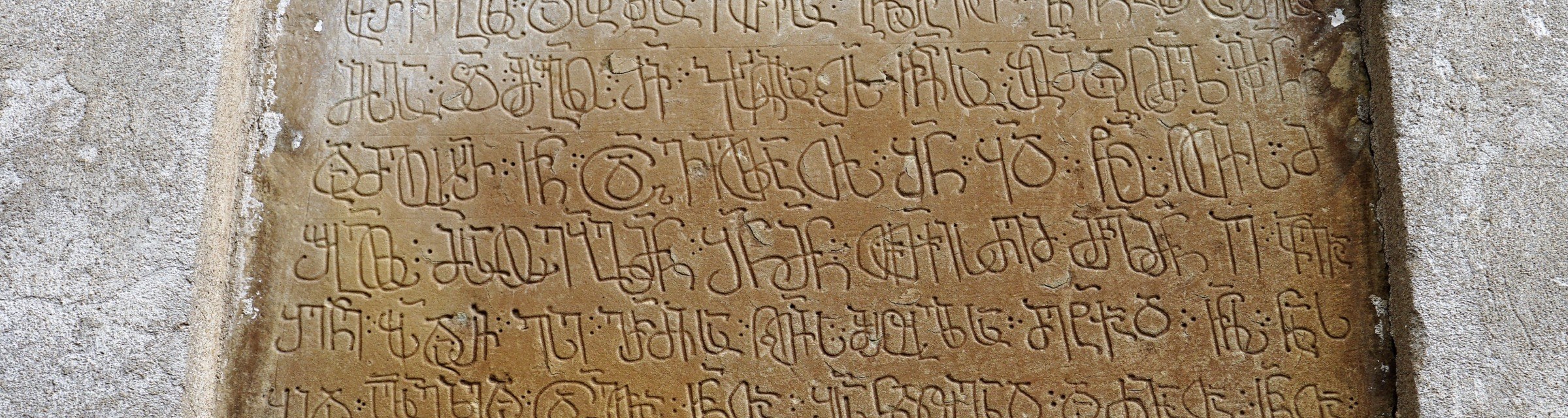
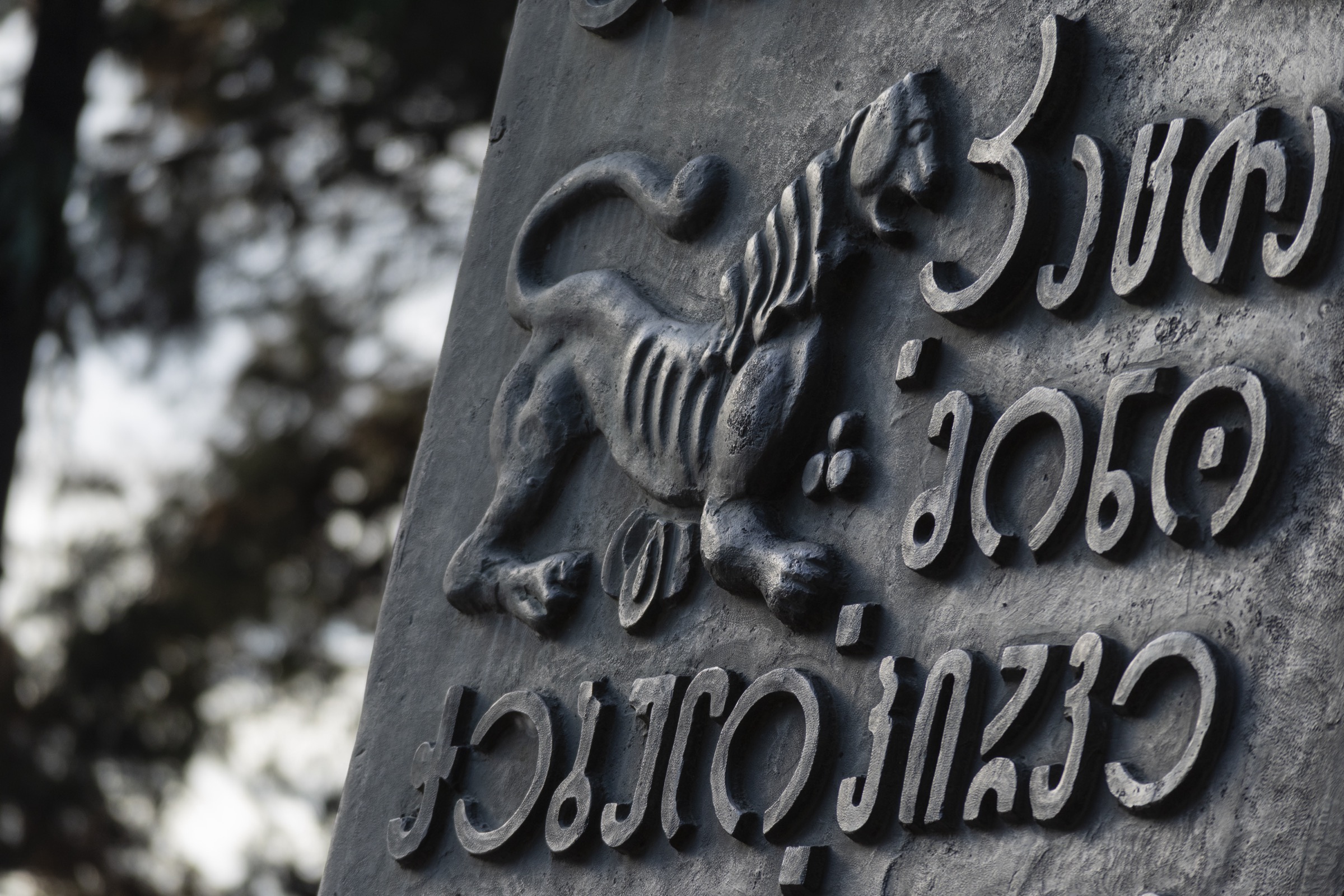
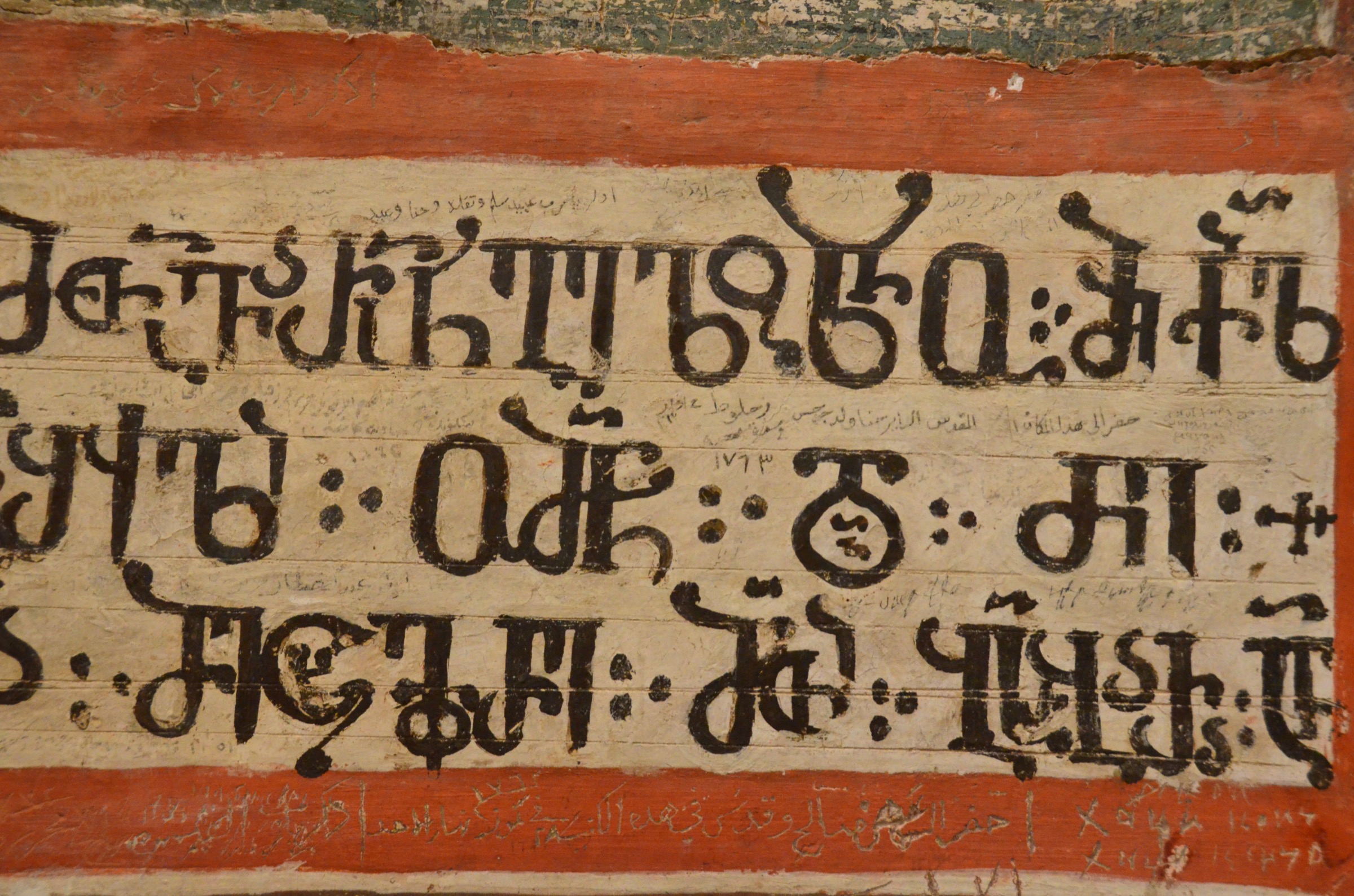
Georgian belongs to the Kartvelian family and is unrelated to Russian, English or anything else you're likely to have studied. It has its own script, Mkhedruli, with 33 letters and no capitals. The good news is that spelling is phonetic: once you know the letters, you can read anything aloud.
In 2016 UNESCO added all three Georgian scripts to its list of intangible cultural heritage: the ancient Asomtavruli and Nuskhuri, and Mkhedruli, the one in everyday use today.
The grammar is where things get tough. Georgian has 7 cases, its verbs agree with both subject and object, and consonants pile up in clusters that look unpronounceable at first glance. The US Foreign Service Institute (FSI) rates it a hard language and estimates that an English speaker needs around 1,100 hours of study to reach professional fluency.
When you'll actually need Georgian
A residence permit in Georgia comes with no language requirement; all you need is a notarized translation of your foreign documents. The same goes for work permits and jobs with private companies.
Georgian is non-negotiable in three situations:
- Citizenship: you have to pass an exam in the language, history and basic law before you can even apply.
- Civil service: government jobs are open only to citizens who speak the state language.
- State schools: classes are taught in Georgian, apart from Russian-language streams at a few Tbilisi schools. For an English-language education in Georgia, families turn to international schools, where fees start at around 8,000 lari a year.
For everyday life, Russian and English go a long way. In the CRRC Caucasus Barometer 2024 survey, 81% of people in Georgia said they understood at least some Russian, and 26% reported speaking English at intermediate level or better. As a rule of thumb, younger Georgians speak English and older ones Russian.
How long it takes
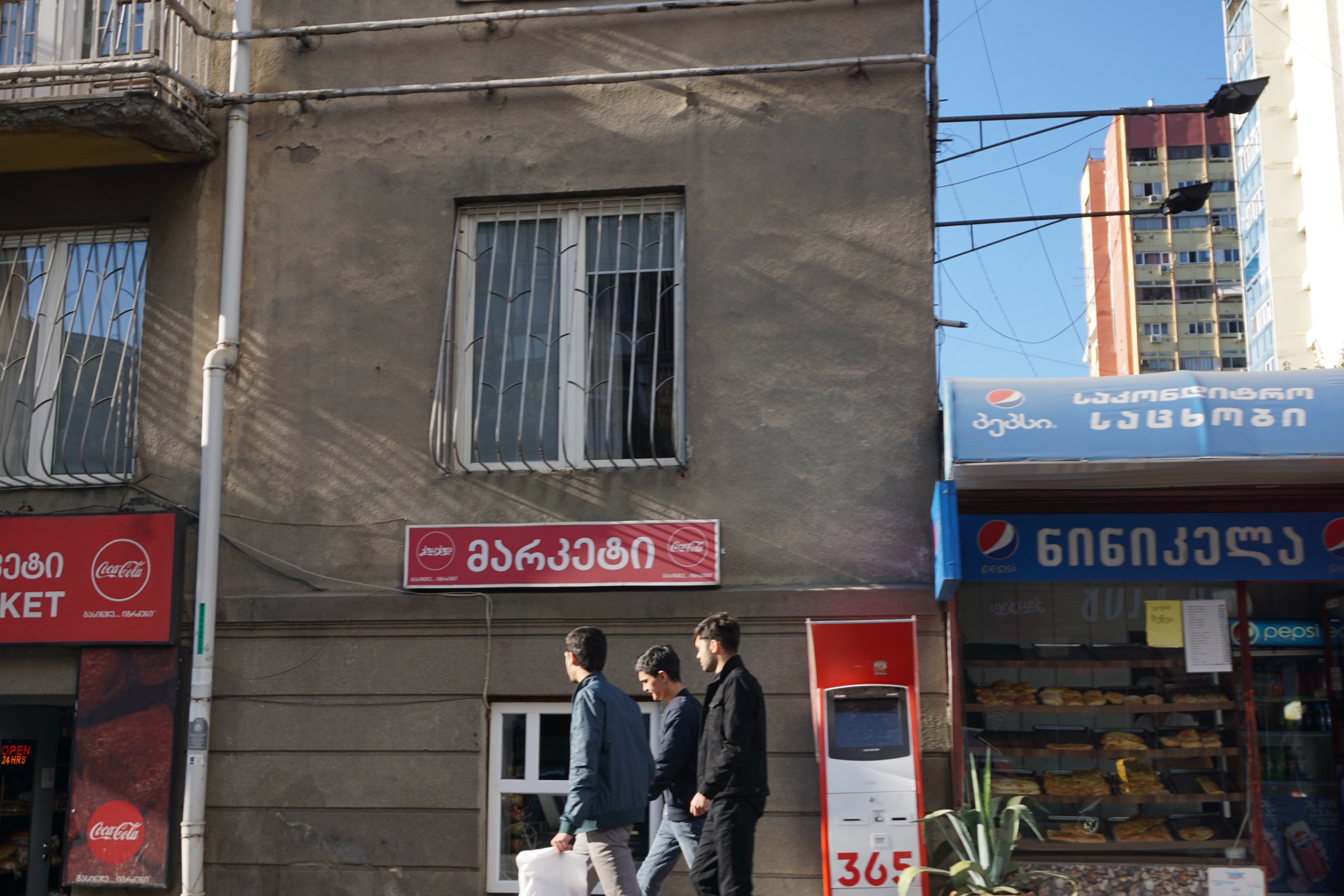
Most people pick up the alphabet in 1-2 weeks, and the payoff is immediate: shop signs, menus and bus stops suddenly make sense. Language schools generally allow about 3 months per level.
With two or three lessons a week plus homework, count on roughly 6-9 months to reach a functional A2 and 12-18 months for a confident B1. Treat these as ballpark figures drawn from school syllabuses: what makes the biggest difference is how much you practice outside class.
Learning for free
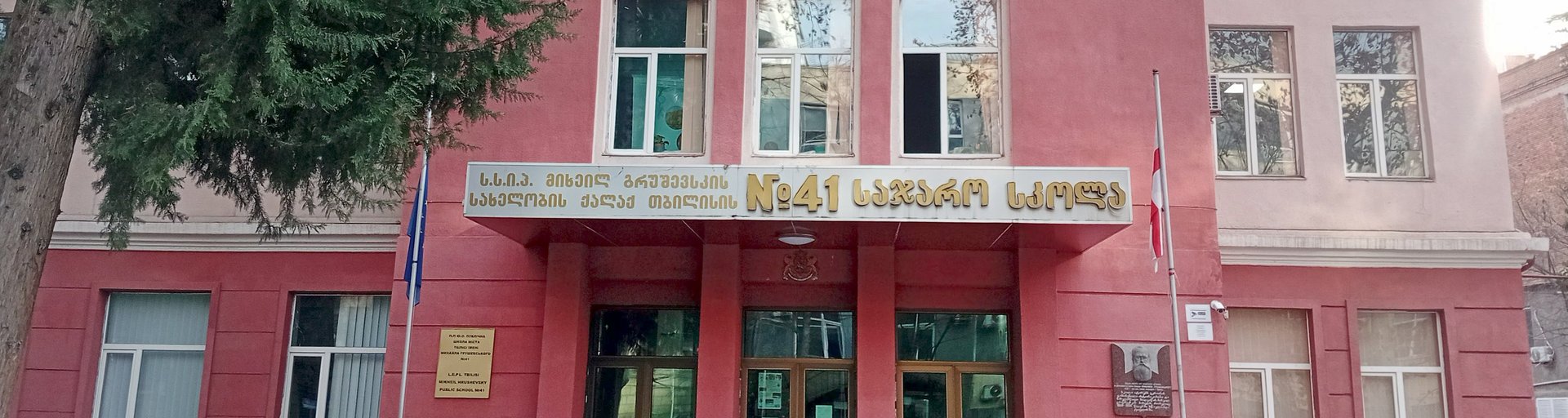
The Zurab Zhvania School of Public Administration runs free state-funded courses, but these are aimed mainly at Georgian citizens from ethnic minorities. There is no standing free program for foreigners on residence permits, so your best bet is to call 032 2 47 24 24 and ask whether any places are going.
Anyone can use the Ministry of Education's free website geofl.ge, which offers textbooks from A1 to C1, audio, grammar notes and dictionaries. Language exchanges are another no-cost route: Tbilisi has regular meetups, and HelloTalk and Tandem make it easy to find a conversation partner.
University courses
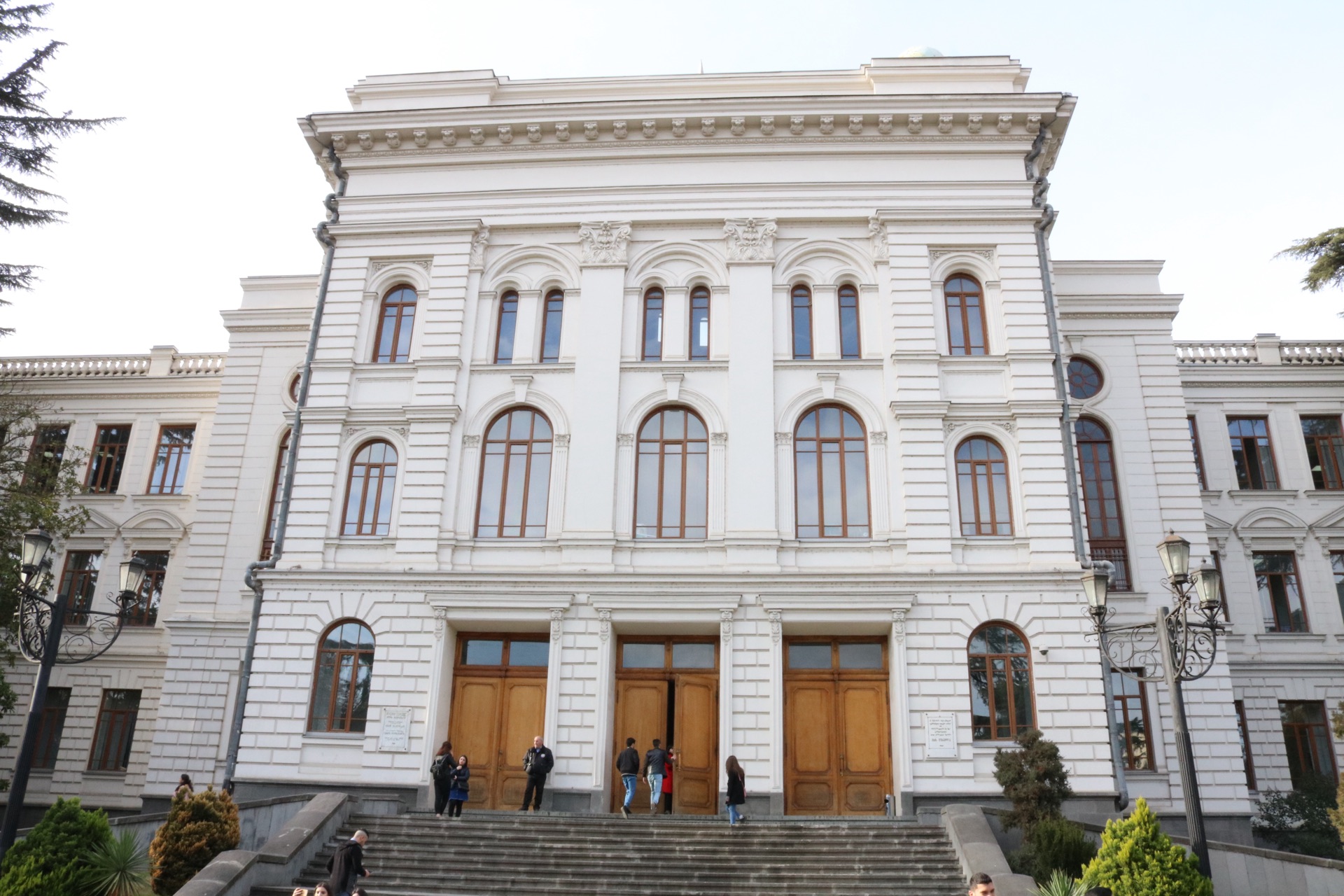
If you want a classroom and a teacher, Ilia State University offers the best value. A group course of 5-7 students costs 400 lari per sub-level of 80 academic hours, and one-to-one lessons are 20 lari an hour. To enroll, call 032 2 23 28 77 on a weekday between 11:00 and 16:00.
Ilia also runs an international summer school: four weeks of Georgian at A1 or A2-B1 level, with accommodation, meals and excursions included, for 3,600-4,000 dollars. Tbilisi State University's language center takes foreign students too; courses start on the first Monday of every month and prices are available on request.
Private language schools
Private schools charge more, but the timetables are more flexible and many teach through English or Russian. Prices are correct as of 1 October 2026:
| School | Location | Price | Format and contact |
|---|---|---|---|
| ALC Georgia | Tbilisi, 1st Ilia Chavchavadze Lane, 6-8 | 700 lari for 8 weeks; private lessons 50 lari an hour | groups of 4-6, online option; 032 229 21 06 |
| SpeakUp | Tbilisi, Gogiberidze St, 1A | 198-317 dollars a month | groups of up to 5, taught in English and Russian; 557 34 77 44 |
| TCS | Tbilisi, Vera, Khorava St, 7 | private lessons 40 lari an hour | groups of 3-5; 032 222 52 72 |
| AZRI | Tbilisi, Akhvlediani St, 8; Batumi, Melikishvili St, 44 | Tbilisi 780 lari for 2 months; Batumi 580 lari for 12 lessons | groups taught in Russian, citizenship exam prep; sign up at azri.me |
| Sami Residence | Tbilisi, Petriashvili St, 11; Batumi, Takaishvili St, 5 | Tbilisi 510 lari for 2 months; Batumi 400 lari | groups of up to 12, taught in Russian; sign up via Telegram |
| Biliki | Batumi, Memed Abashidze St, 36 | on request; first lesson free | groups and one-to-one, in Russian and English; 558 64 56 92 |
Book a trial lesson before handing over any money: most schools offer one free or knock it off the course fee. Budget around 20-30 lari an hour for group classes and 40-50 lari for one-to-one.
Private tutors
A private tutor in Tbilisi or Batumi typically charges 30-60 lari an hour. Online tutors on the international platforms charge 10 to 30 dollars a lesson.
One-to-one lessons make the most sense when you have a specific goal, such as conversational Georgian for work or exam preparation. If you're starting from zero, a group is usually the better bet: it's cheaper, and it keeps you honest about turning up.
Apps and textbooks
Don't bother looking for Georgian on Duolingo, Drops, Babbel or Rosetta Stone: none of them offer it, and Memrise no longer offers user-made courses. That leaves Ling, Lingwing (built in Georgia), Glossika and EasyGeorgian, all of which have a free tier and a paid subscription.
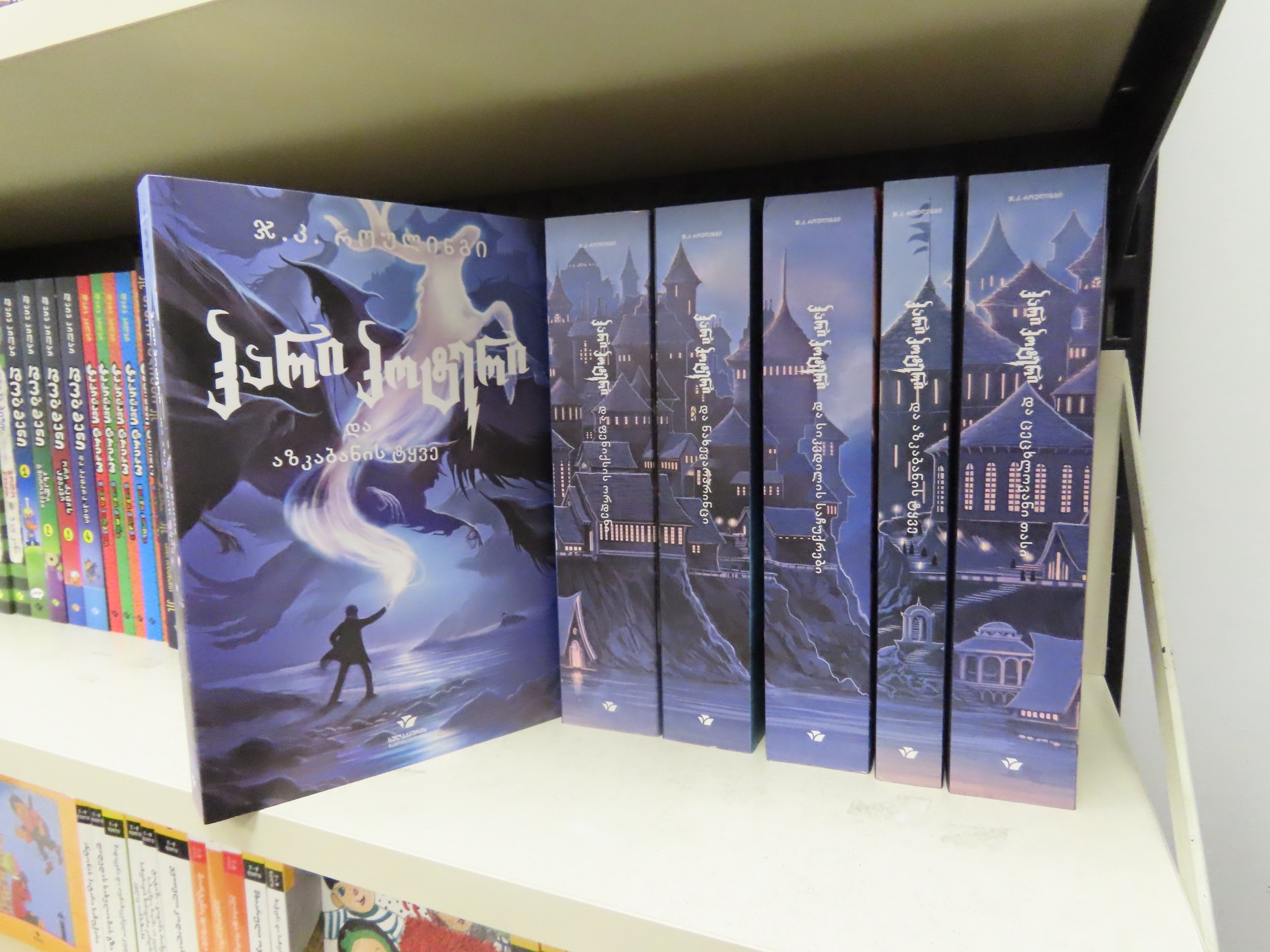
The most frequently recommended English-language textbooks are George Hewitt's "Georgian: A Learner's Grammar" and Dodona Kiziria's "Beginner's Georgian", which comes with audio. Schools that teach in Russian usually supply their own workbooks and handwriting sheets.
The citizenship exam
To apply for citizenship of Georgia after 10 years of residence, or 5 years of marriage to a Georgian citizen, you first have to pass an exam in the Georgian language, history and basic law. The Public Service Development Agency runs it, and you can register at any Public Service Hall.
- You take the exam before you submit your citizenship application.
- It's a computer-based test, and it's in Georgian only.
- The first attempt is free; each retake costs 40 lari, and there's no cap on the number of tries.
- A pass is valid for 1 year.
Several private schools, AZRI, Sami Residence and Biliki among them, run dedicated exam prep courses.
Phrases for your first week
Even a few words of Georgian change the way shopkeepers and neighbors treat you. Start with these:
| English | Georgian | Pronunciation |
|---|---|---|
| Hello | გამარჯობა | gamarjoba |
| Thanks | მადლობა | madloba |
| Thank you (polite) | გმადლობთ | gmadlobt |
| Please | თუ შეიძლება | tu sheidzleba |
| Yes / no | კი / არა | ki / ara |
| Sorry | ბოდიში | bodishi |
| Goodbye | ნახვამდის | nakhvamdis |
| How much is it? | რა ღირს? | ra ghirs? |
| I don't understand | ვერ გავიგე | ver gavige |
| Do you speak Russian? | რუსული იცით? | rusuli itsit? |
| Where is...? | სად არის...? | sad aris...? |
| The bill, please | ანგარიში, თუ შეიძლება | angarishi, tu sheidzleba |
| Stop here, please | აქ გააჩერეთ | ak gaacheret |
| Delicious | ძალიან გემრიელია | dzalian gemrielia |
"Madloba" is the casual form; in shops and government offices, "gmadlobt" comes across as more polite. A few phrases for describing symptoms come in handy at pharmacies in Georgia, though most pharmacists in Tbilisi speak some English or Russian.
Key takeaways
- You don't need Georgian for a residence permit or a job, but you do for citizenship.
- The 33-letter alphabet takes 1-2 weeks to learn; everyday conversation takes six months or more.
- Ilia State University is the cheapest way to learn with a teacher, at 400 lari for 80 academic hours.
- Group courses at private schools start at 400 lari for 2 months; private tutors charge 30-60 lari an hour.
- Duolingo doesn't offer Georgian, but Ling, Lingwing, Glossika and the free geofl.ge do.
- Your first attempt at the citizenship exam is free, and a pass is valid for 1 year.
Frequently Asked Questions
No, a residence permit and a work permit have no language requirement, only a notarized translation of foreign documents. Georgian is mandatory for citizenship and the civil service.
No, Duolingo, Drops and Babbel have no Georgian. You can learn with Ling, Lingwing, Glossika and EasyGeorgian, and free textbooks from A1 to C1 are on the Ministry of Education website geofl.ge.
There is no permanent free program for foreigners with a residence permit: the state courses of the Zhvania School are aimed mainly at citizens from national minorities, so ask about enrollment by phone. The cheapest course with a teacher is at Ilia State University: 400 lari for 80 academic hours.
The first attempt is free, each further one costs 40 lari, and you can retake it as many times as needed. The exam covers language, history and the basics of law, is taken on a computer before you apply, and the result is valid for 1 year.