Русский
 English
 ქართული
 Français
 Türkçe
 Հայերեն
 Қазақша
 Polski
 Azərbaycanca
 O'zbekcha
 中文
 Deutsch
 Español
 العربية
 فارسی
 हिन्दी
 עברית
 Visas and residency 4 min read
Georgian Citizenship for Foreigners
 GustawsonEditorial Team · Bebgur
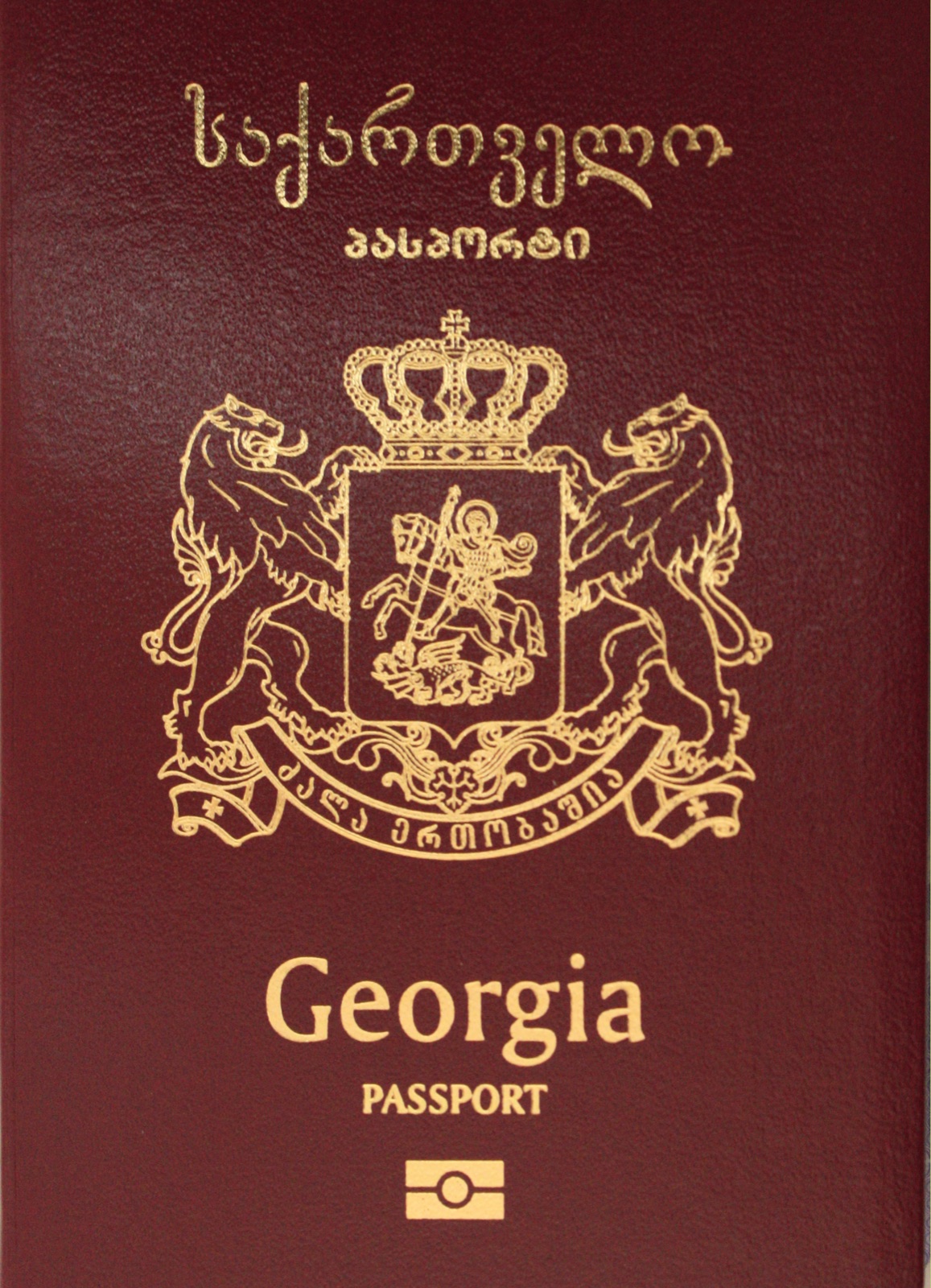
Citizenship and a residence permit are different statuses with different rights: a residence permit lets you live and work in the country, but does not give you the right to vote, a Georgian passport, or unconditional protection from deportation. The path from a residence permit in Georgia to citizenship is not automatic and, in most cases, takes years rather than months.
Citizenship by Birth: Not Automatic Just for Being Born in the Country
Georgia does not grant citizenship simply for being born on its territory: if both of a child's parents are foreigners, being born in a Georgian hospital alone does not confer citizenship. Citizenship by birth follows the parents' citizenship: a child receives Georgian citizenship if at least one parent is a Georgian citizen at the time of birth, regardless of where the birth actually takes place.
For families where both parents are foreigners living permanently in Georgia on a residence permit, the child keeps the parents' citizenship and later goes through the standard naturalization procedure on general grounds.
The Standard Path: Naturalization After 10 Years
The main way to get Georgian citizenship is continuous legal residence in the country for 10 consecutive years (usually on a residence permit). Besides the length of residence, the candidate must demonstrate knowledge of the Georgian language, Georgian history, and the basics of Georgian law: this is an actual exam, not just an interview, and learning Georgian in Georgia to the required level takes many months. A legal source of income and the absence of serious criminal convictions are also required.
A Shorter Path: 5 Years for Certain Categories
For two categories of applicants, the period is cut in half, to 5 years of continuous residence:
- Spouses of Georgian citizens: marriage to a Georgian citizen shortens the standard ten-year period to five years of continuous residence in the country.
- Stateless persons: for those who hold no citizenship of any country, the period is also reduced to five years.
The exam requirements on language, history, and law do not disappear: only the residence period is shortened, not the list of conditions.
Citizenship by Presidential Decision: The Only Path to Dual Citizenship
The President of Georgia has the right to grant citizenship as an exception, bypassing the standard residence and exam requirements. There are two grounds: exceptional merit toward Georgia (economic, sporting, scientific, cultural) or state interest.
This category of applicants is the only one officially allowed to keep their previous citizenship without renouncing it.
Investment alone does not buy citizenship directly: even a large sum invested is usually treated as one argument in favor of "exceptional merit," not as an automatic ticket to a passport that bypasses the whole procedure.
Dual Citizenship: When It's Allowed and When You Have to Give One Up
The general rule is strict: when obtaining Georgian citizenship through ordinary naturalization (standard or shortened), the applicant must renounce their previous citizenship.
A separate consent of the state exists only for Georgian citizens who want to take another nationality, and it has to be obtained before doing so.
The only category where dual citizenship is allowed systematically, rather than as a rare exception, is precisely those who received citizenship by presidential decision for exceptional merit or in the state's interest.
How to Apply
The citizenship application is submitted to the Public Service Development Agency through any House of Justice or through a Georgian consulate abroad.
It must include proof of legal residence for the required period (usually copies of every residence permit renewal for the whole period, with no gaps), income documents, a certificate of no criminal record both in Georgia and in the country of origin, and the results of the exam on language, history, and law. The exam is taken before applying: the first attempt is free, each retake costs 40 lari, and the result is valid for 1 year.
The final decision is made by the President through a decree based on a recommendation from the relevant commission, so even full formal compliance with every requirement does not automatically guarantee a positive outcome.
By law the decision must take no more than 3 months. The state fee depends on the review period: from 65 lari for 80 days to 390 lari for 20 days, and an incomplete document package can delay the case.
Losing citizenship works just as strictly in the other direction: a Georgian citizen who wants to renounce their citizenship must file a separate application, and until it is approved, they formally remain a Georgian citizen with all the accompanying obligations, including tax ones.
In practice, this means that someone who simply stops renewing their Georgian documents and moves to live in another country does not lose Georgian citizenship: without a formal renunciation, it remains in force indefinitely.


Frequently Asked Questions
Standard is 10 years of continuous legal residence; for spouses of Georgian citizens and stateless persons, it's shortened to 5 years.
As a general rule, no: ordinary naturalization requires renouncing your previous citizenship. You can officially keep both citizenships only by receiving Georgian citizenship through a presidential decision for exceptional merit or in the state's interest.
Not directly: investment can become one of the arguments for getting citizenship through a presidential decision as "exceptional merit," but it is not an automatic passport purchase or a separate official program.
Yes, both standard naturalization and the shortened five-year path require demonstrating knowledge of the Georgian language, Georgian history, and the basics of Georgian law.