Русский
 English
 ქართული
 Français
 Türkçe
 Հայերեն
 Қазақша
 Polski
 Azərbaycanca
 O'zbekcha
 中文
 Deutsch
 Español
 العربية
 فارسی
 हिन्दी
 עברית
 Life 5 min read
Safety in Georgia in 2026: Crime, Roads, and Real Risks
 GustawsonEditorial Team · Bebgur
When it comes to street crime, Georgia is one of the calmest countries in the region: in the Gallup Law and Order Index for 2025 it scored 88 out of 100, on par with Germany and Sweden. The main risks here are not criminal, though: the roads, the mountains in bad weather, and the areas bordering the occupied territories are noticeably more dangerous.
Crime in Numbers
According to Georgia's Interior Ministry, about 54,100 crimes were registered in the country in 2025, 8.3% more than a year earlier. The growth came almost entirely from drug offenses, which rose by 87%, something the ministry attributes to more active police work. The clearance rate reached a record 70%.
The most common category is property crime, about 17,250 cases a year. The intentional homicide rate in the latest UN data is about 2 per 100,000 residents, well below the global average.
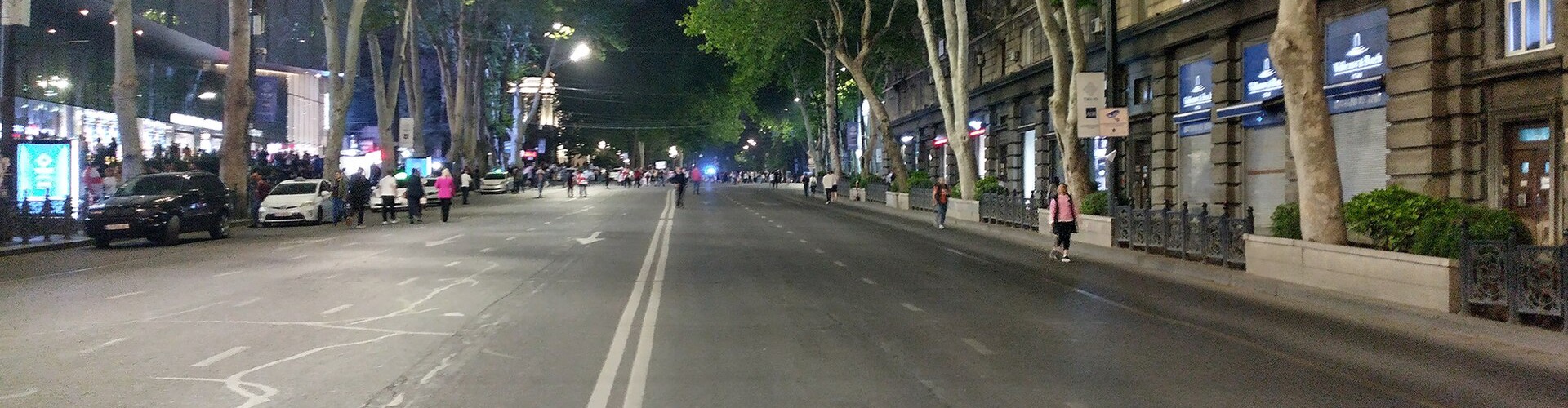
In everyday life, this means people walk around Tbilisi and Batumi late in the evening without worry, and families with children stay out in the courtyards until night. The Gallup index is built precisely on surveys of how safe people feel walking the streets at night.
Police and Emergency Services
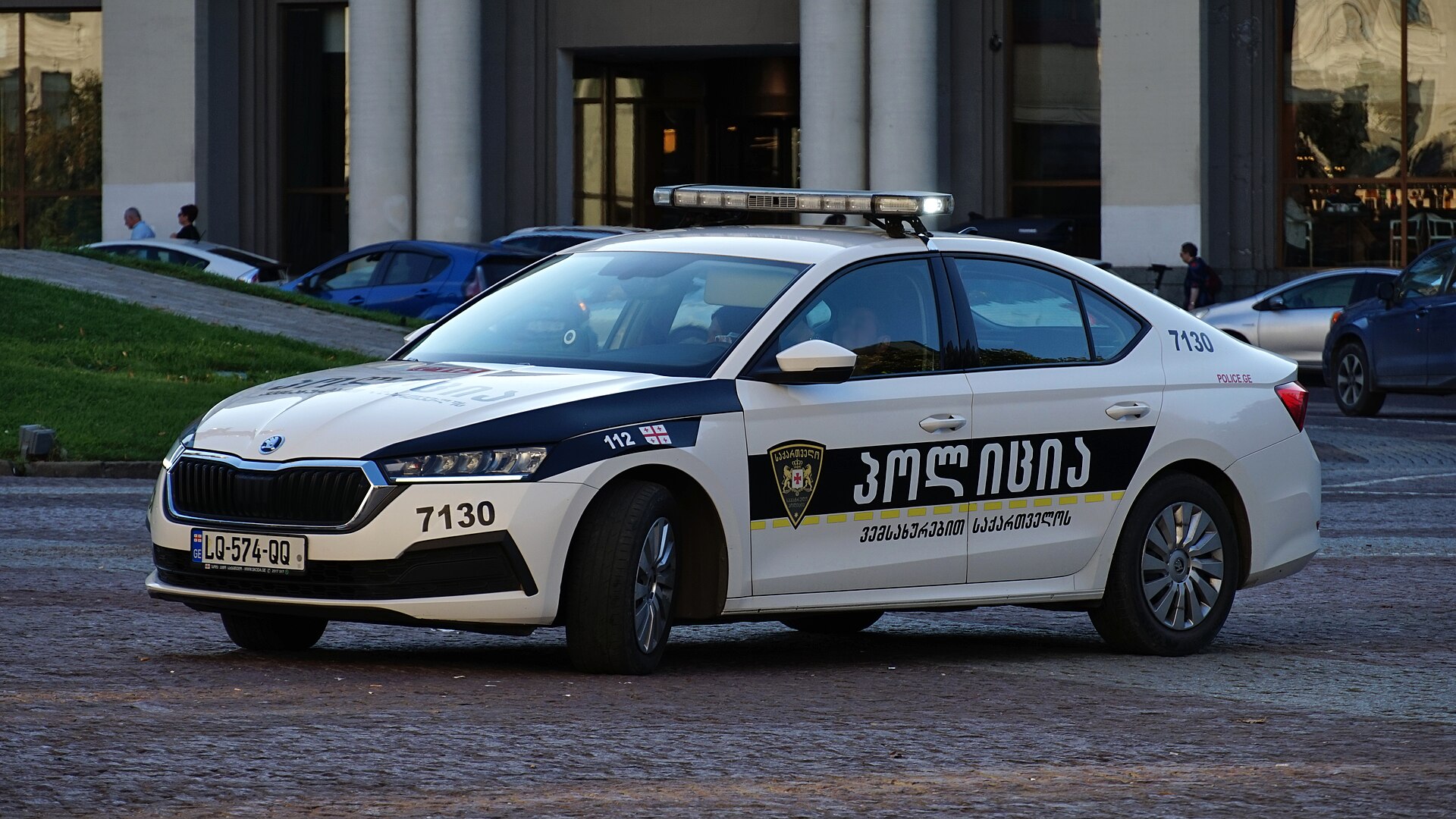
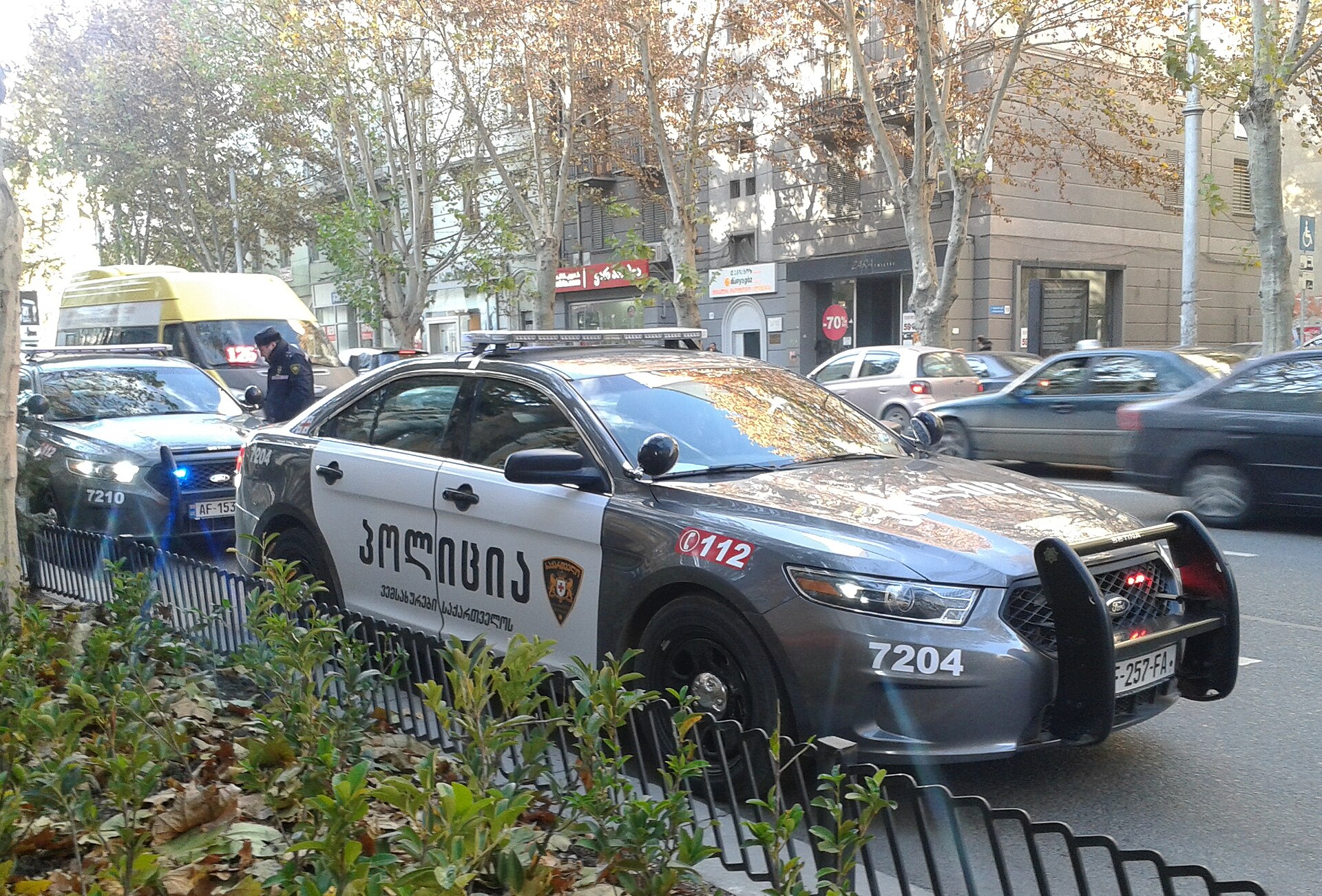
Georgia's patrol police were created from scratch in 2004: the old traffic police, one of the most corrupt in the region, was disbanded entirely. Since then, petty bribery of police officers has practically disappeared, and traffic fines are issued through the system rather than paid on the spot in cash.
In any emergency, call 112: the number covers police, ambulance, and fire services, works around the clock across the country, and dispatchers also answer in English. A foreigner reports a theft or fraud at the nearest police station, and for complicated cases it is better to bring an interpreter or a friend who speaks Georgian.
Everyday Risks for Newcomers
Pickpocketing happens where tourists crowd: in Tbilisi's Old Town, on the metro at rush hour, on the Batumi seafront in summer. A phone left on a summer cafe table or a wallet in a back pocket in a crowd is just as exposed here as in any tourist city.
The most common ways to overpay or lose money:
- Taxis without an app: at the airport drivers quote 200-380 lari for a ride that costs 30-40 lari via Bolt
- The bar scam: someone strikes up a conversation on the street, invites you to a "great local bar", and at the end you are handed a bill for hundreds of lari under the eye of security
- Rental fraud: a prepayment is requested for an apartment that is never shown in person
- Exchange booths with bad rates near stations and in tourist spots
The bar scam is no myth: whole groups have been convicted over it in Tbilisi, 14 people in one case. The protection is simple: do not go to a place a stranger on the street invites you to, and leave any venue where the menu has no prices.
On cannabis specifically: since July 2025, possessing even a small amount in Georgia can mean up to 6 years in prison.
Roads: the Main Real Risk
The most dangerous part of life in Georgia is not the street but the road. In 2025, 469 people died in road crashes, including 164 pedestrians and 28 children, the highest figure since 2019. That is about 120 deaths per million residents, compared with an EU average of 45, meaning the risk is two and a half to three times higher.
Driving in Georgia is aggressive: abrupt lane changes, overtaking across solid lines, speeding on mountain roads. According to the Interior Ministry, the main causes of crashes are drink-driving and crossing the road in unauthorized places. Pedestrians should cross only at crossings with traffic lights and still look both ways, and anyone who gets behind the wheel with a driving license in Georgia should adjust for the local style.
Natural Hazards
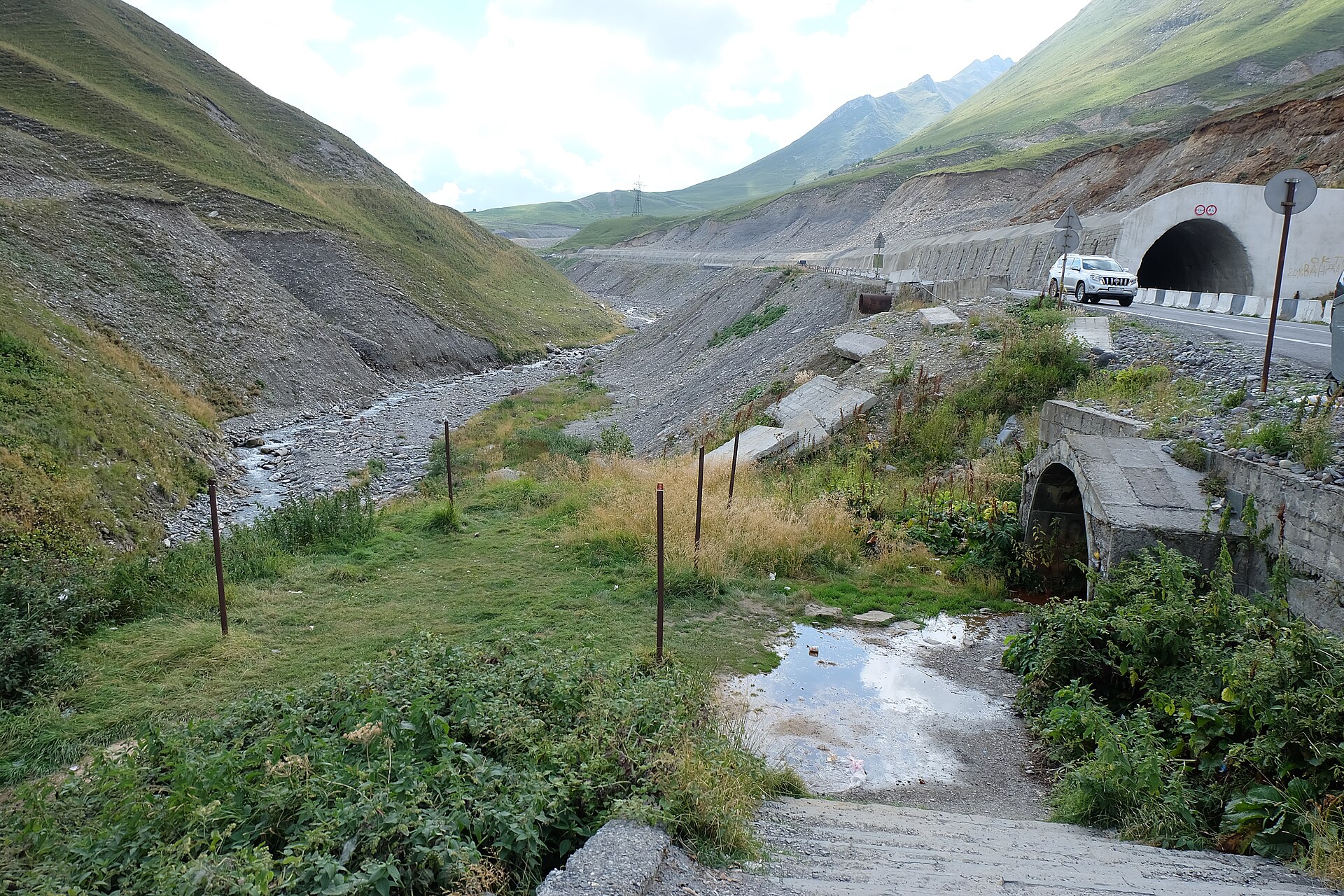
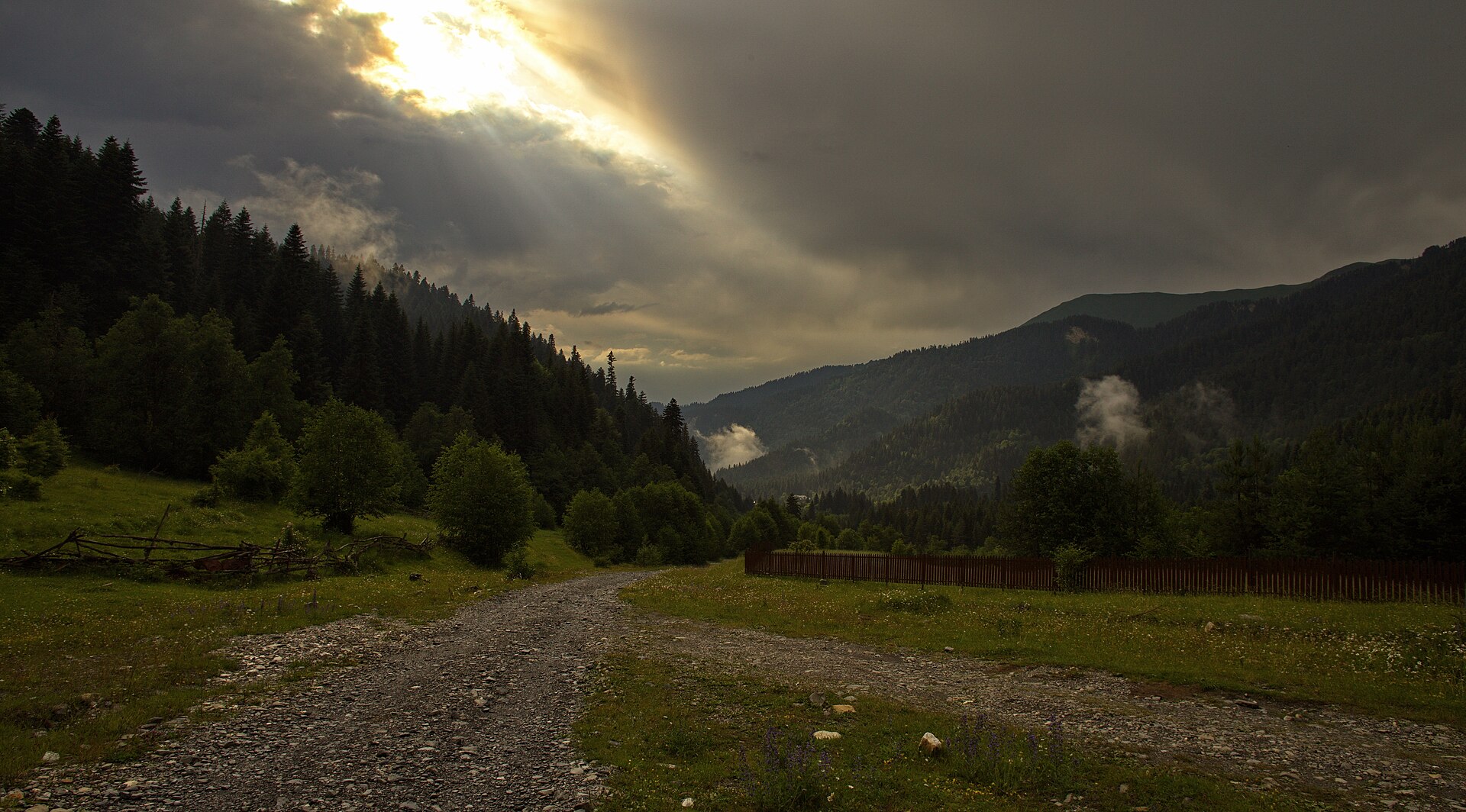
In the mountains, the danger comes from mudflows, landslides, and avalanches. In August 2023, a mudflow at the resort village of Shovi claimed 33 lives, and the investigation showed that with an early warning system the alarm could have been raised about two hours earlier. In winter, avalanches regularly close the Georgian Military Road near Gudauri and Kazbegi, so anyone heading to the ski resorts in Georgia should check the road before setting off.
Georgia lies in a seismically active zone, and the last strong earthquake struck Racha in 1991. A separate urban issue is the air: the annual average level of fine PM2.5 particles in Tbilisi is about 18-22 µg/m³, roughly four times the WHO guideline, and on windless winter days the smog in the valley thickens noticeably.
Occupied Territories
Abkhazia and the Tskhinvali region (South Ossetia) are not controlled by the Georgian government. The US State Department keeps Georgia as a whole at level one, the lowest risk level, but advises against travel to these regions. The UK Foreign Office advises avoiding the areas next to the administrative boundary line as well.
People are regularly detained along the boundary line, including those who accidentally crossed a poorly marked line. Entering Abkhazia from Russia is a criminal offence under Georgian law, punishable by a fine or 2 to 4 years in prison, and a repeat offence carries 3 to 5 years. You may also be refused entry into Georgia later on.
Protests and the Political Situation
Since November 28, 2024, protests have continued in Tbilisi, mostly in the evenings near the parliament building on Rustaveli Avenue. In the first year, about 1,600 people were detained, parliament tightened the laws on blocking roads and on behavior at rallies, and fines reach up to 5,000 lari.
Foreigners have been among those detained, including some who were nearby by chance. For a newcomer, the practical rule is simple: keep away from rallies and do not take part in them, even out of curiosity. Everywhere else in the city, daily life goes on as usual.
Women, Solo Travelers, and LGBT
Women, including those traveling alone, usually describe Georgia as a safe country. Unpleasant situations most often come down to unwanted attention, and the same rules apply as in any city: taxis in Georgia only through an app and caution with unfamiliar company in bars.
For LGBT people, the legal situation changed in 2024: the law "on family values and protection of minors", signed on October 3, 2024 and in force since December 2, 2024, banned the recognition of same-sex couples, including marriages concluded abroad, adoption by same-sex couples, and gender transition, and gave grounds to restrict public events. UN experts called for the law to be repealed.
Dogs on the Streets
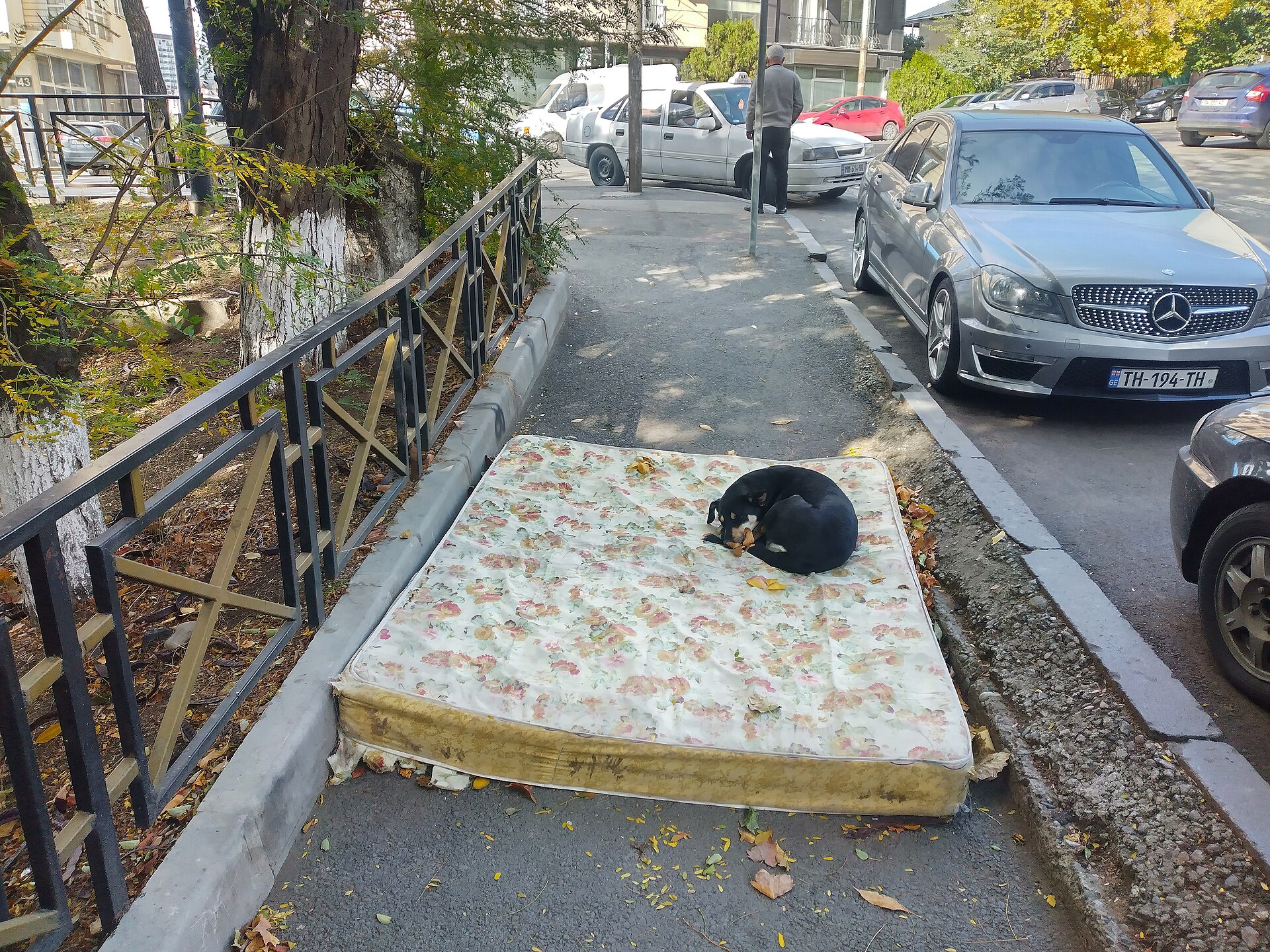
Tbilisi has about 29,700 stray dogs, and most of them are neutered and vaccinated: such dogs have a colored tag on one ear. They are usually calm, but bites do happen, especially at night and outside the city, where packs can be more aggressive.
Rabies still occurs in Georgia, with 5 cases confirmed in 2025. After any bite, wash the wound and go to a clinic the same day for a course of shots. Such costs are usually covered by health insurance in Georgia, so keep the policy at hand.
In Short: What to Do
- Save the number 112 and the address of the nearest police station
- Book taxis only through an app
- Do not enter bars at the invitation of strangers, and leave if the menu has no prices
- On the road and at crossings, keep the local driving style in mind
- Before a trip to the mountains, check the forecast and pass reports
- Stay away from the boundary line and from political rallies
Safety is usually listed among the strong sides of life in Georgia, with caveats about the roads and politics, and it makes sense to weigh it together with the other pros and cons of moving to Georgia.
Frequently Asked Questions
In terms of street crime, Georgia is one of the calmest countries in the region: 88 out of 100 in the Gallup 2025 index, with about 2 homicides per 100,000 residents. The main real risks relate to the roads, the mountains in bad weather, and areas near the boundary line with the occupied territories.
The single emergency number 112 covers police, ambulance, and fire services, works around the clock across the country, and dispatchers answer in English.
Yes, this is the main real risk: 469 people died in road crashes in 2025, including 164 pedestrians. Per million residents, that is about 120 deaths compared with 45 on average in the EU.
These regions are not controlled by the Georgian government, and the US State Department advises against travel there. Georgia treats entering Abkhazia from Russia as an illegal border crossing, and people are regularly detained along the boundary line.