Русский
 English
 ქართული
 Français
 Türkçe
 Հայերեն
 Қазақша
 Polski
 Azərbaycanca
 O'zbekcha
 中文
 Deutsch
 Español
 العربية
 فارسی
 हिन्दी
 עברית
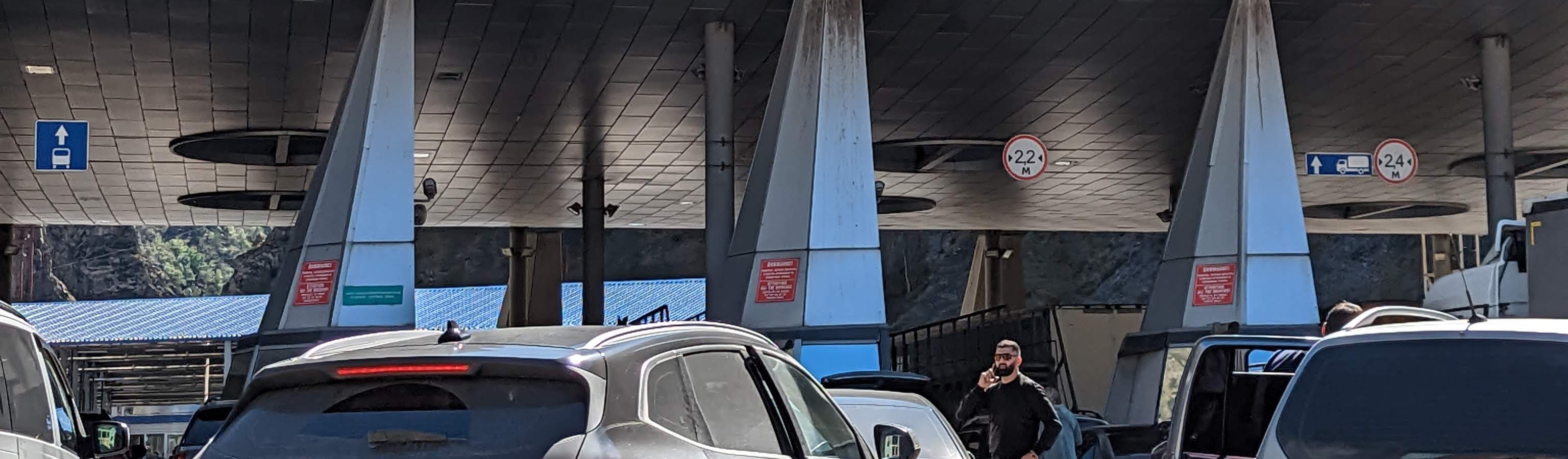 Visas and residency 4 min read
Entry Rules and Visa-Free Regime in Georgia
 GustawsonEditorial Team · Bebgur
Georgia does not have a single "90-day visa-free regime" like the Schengen area: the exact visa-free period depends on citizenship and falls into several different tiers, from one month to a full year. Getting this calculation wrong is one of the most common reasons for a fine or a refused entry among foreigners who have long lived in the country on regular "visa runs."
How Long You Can Stay in Georgia Without a Visa
For most nationalities, the visa-free period is up to 365 days per entry. A smaller group of countries gets a shorter window: up to 90 days within a 180-day period, and for a few nationalities the limit drops to 45 or even 30 days.
The exact tier depends on the specific citizenship and should be checked against the official list from Georgia's Ministry of Foreign Affairs before travel, not assumed by analogy with neighboring countries.
Citizens of countries not on the visa-free list at all need a visa arranged in advance: some categories can be applied for through the online system at evisa.gov.ge without visiting an embassy, and processing usually takes a few business days. The type and duration of such a visa are determined by the purpose of the trip and specified in the application, not chosen freely.
How the Period Is Counted: Per Entry, Not Per Calendar Year
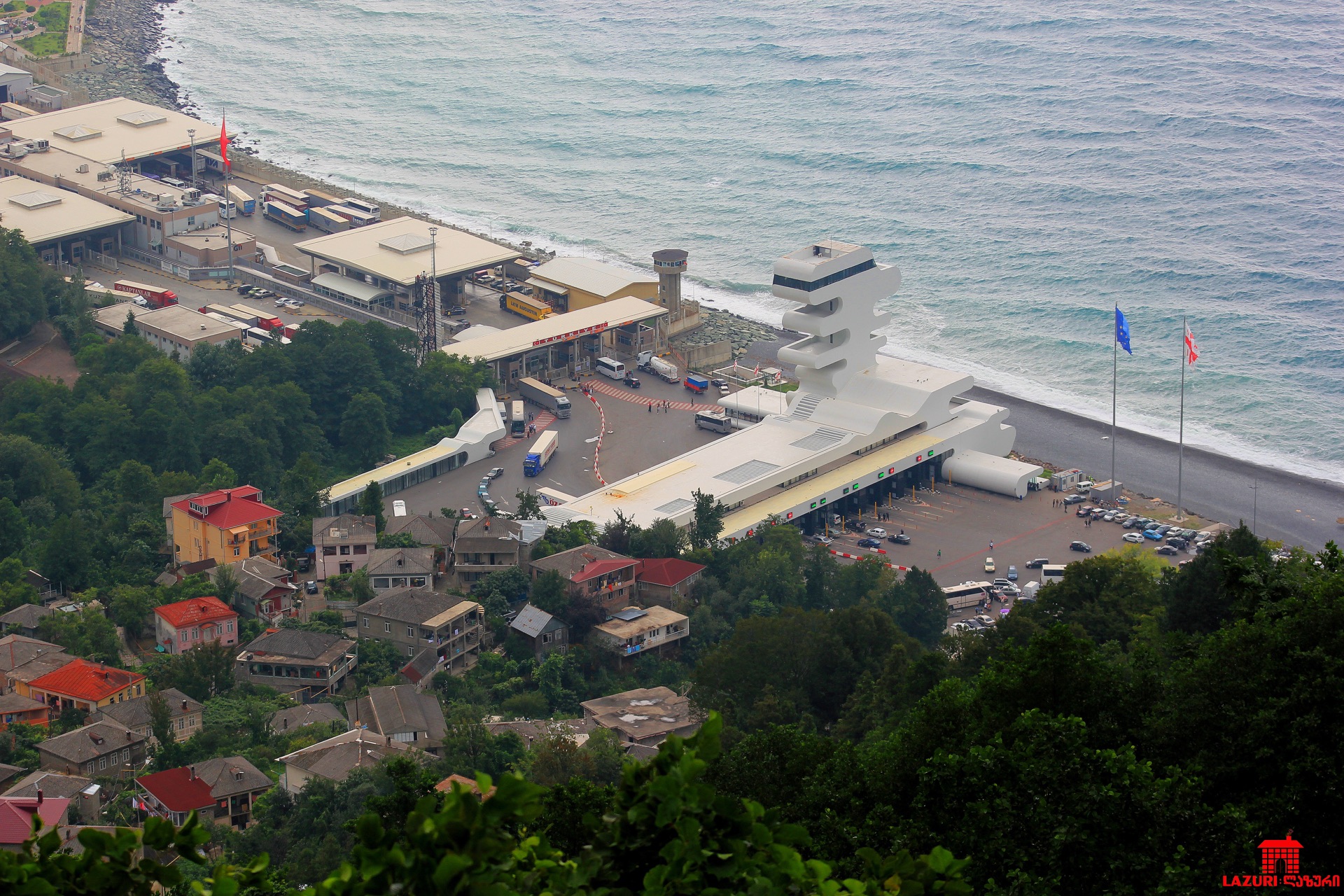
The period restarts with every new entry into the country rather than being tied to the calendar year: the day you cross the border becomes day one of a new period. In theory, this lets you reset the count with a simple exit and re-entry, for example on a trip from Georgia to Armenia or Turkey by land.
But border officers pay attention to an obvious pattern of frequent short trips made purely to extend a stay without legalizing it: if they suspect this, they may ask additional questions or refuse entry.
What Border Officers Check
- Passport: Your passport must be valid at least until the day you leave Georgia. Georgian rules do not require a six-month buffer. That is only advice.
- Medical insurance: since January 1, 2026, mandatory medical insurance in Georgia is required for every foreigner entering visa-free or on a tourist visa, with minimum coverage of 30,000 lari for medical treatment and accidents; not having a policy can be grounds for refused entry. Holders of a residence permit are exempt from this specific check.
- Proof of funds: cash or a bank statement, a rough benchmark of about $50 per day of the trip, though this is not a strict legal requirement but a practice left to the discretion of the individual officer on a given day.
- A return ticket or onward itinerary: not always asked for, but entering without a return ticket makes a question about departure plans more likely.
- An address or accommodation booking: useful if the officer asks a follow-up question about the purpose of the visit; a printout or screenshot of the booking is usually enough.
None of these items formally guarantees entry: the decision always rests with the individual border officer, based on the overall picture of the visit rather than any single document.
Where You Cannot Enter
Entering Abkhazia or South Ossetia from the Russian side is a criminal offence under Georgian law. The Criminal Code of Georgia punishes it with a fine or 2 to 4 years in prison, and a repeat offence carries 3 to 5 years. On top of that, you may later be refused entry into Georgia, including at the regular border crossings elsewhere in the country.
This is not a tourist restriction but a direct provision of Georgian law on the occupied territories, and it formally applies regardless of citizenship or the purpose of the trip.
On cannabis specifically: since July 2025, possessing even a small amount in Georgia can mean up to 6 years in prison.
If You Need to Stay Longer Than the Visa-Free Period
There are two workable options. The first: leave and come back, which formally resets the count but does not guarantee a full new period if done repeatedly, as border services pay increasing attention to this pattern.
The second, more reliable option for those planning to stay for years rather than a few months: apply for a residence permit in Georgia before the current visa-free period runs out, rather than waiting until the last week. An application filed at the last minute risks not being processed before the current visa-free status officially ends.
What Happens If You Overstay
Exceeding the allowed period of stay falls under Article 191 of Georgia's Code of Administrative Offences and carries a fine together with an entry ban: since 1 October 2025, an overstay of up to 3 months costs 1,000 lari and a six-month ban, up to a year 2,000 lari and a 2-year ban, and anything longer 3,000 lari and a 3-year ban. You must also leave the country.
Enforcement has tightened as well: a short overstay of a few days used to often go unremarked, but it is now recorded systematically on departure. An unpaid fine blocks the issuance of a new visa and entry into the country until it is paid, and repeated violations can lead to a longer entry ban.
A separate situation: if the overstay happened for an objective reason (illness, force majeure), it is worth contacting the local office of the Migration Service before leaving, rather than trying to exit quietly and settle the matter after the fact through the fine.



Frequently Asked Questions
From 30 to 365 days depending on citizenship; check the exact period against the official list from Georgia's Ministry of Foreign Affairs before traveling.
Formally yes, the period restarts with each new entry, but frequent short trips made purely to extend a stay can draw the attention of border services.
Under Article 191 of the Code of Administrative Offences, since 1 October 2025: 1,000 lari and a six-month entry ban for up to 3 months, 2,000 lari and a 2-year ban for up to a year, 3,000 lari and a 3-year ban beyond that, plus an obligation to leave; an unpaid fine blocks re-entry.
Yes, since January 1, 2026 it is mandatory for everyone entering visa-free or on a tourist visa (residence permit holders are exempt), with minimum coverage of 30,000 lari for medical treatment and accidents.