Русский
 English
 ქართული
 Français
 Türkçe
 Հայերեն
 Қазақша
 Polski
 Azərbaycanca
 O'zbekcha
 中文
 Deutsch
 Español
 العربية
 فارسی
 हिन्दी
 עברית
 Life 5 min read
Utility Bills in Georgia in 2026: Tariffs and How to Pay
 GustawsonEditorial Team · Bebgur
Georgia has no single bill for an apartment: electricity, gas, and water come from different companies, each with its own account and its own customer number. Paying is easy, though: almost everything takes a minute in a banking app, and tariffs are set by the state and are the same for every resident of a city.
Who Supplies Electricity, Gas, and Water
In Tbilisi, each service comes from its own company, and each sends a separate bill:
- Electricity: Telmico (the grid belongs to Telasi)
- Gas: Tbilisi Energy
- Water and sewage: GWP (Georgian Water and Power)
- Garbage collection: a separate line on the bill, 2.5 lari per registered resident
Outside the capital, electricity is supplied by Energo-Pro Georgia, including in Batumi and Kutaisi, gas in most regions by SOCAR Georgia Gas, and water by local companies, such as Batumi Water in Batumi. Household tariffs for electricity and gas are approved by the regulator GNERC, so there is no bargaining and no choice of supplier.
Electricity Tariffs
Since April 1, 2026, household electricity has cost 5 tetri more per kilowatt-hour at every tier. The tariff is tiered: the more an apartment uses in a month, the more each additional kilowatt-hour costs. Current Telmico tariffs in Tbilisi:
- Up to 101 kWh a month: 20.041 tetri per kWh
- From 101 to 301 kWh: 24.053 tetri
- Above 301 kWh: 28.537 tetri
An example: an apartment uses 150 kWh in a month. The first 101 kWh cost about 20.2 lari, the remaining 49 kWh at the second tier about 11.8 lari more, so the electricity bill comes to roughly 32 lari. Energo-Pro tariffs in the regions went up by the same 5 tetri in April.
The tiered scale is most noticeable in winter: if an apartment is heated by air conditioners or electric heaters, consumption easily passes 301 kWh, and every kilowatt-hour above that threshold costs almost one and a half times as much as the first hundred.
Gas Tariffs
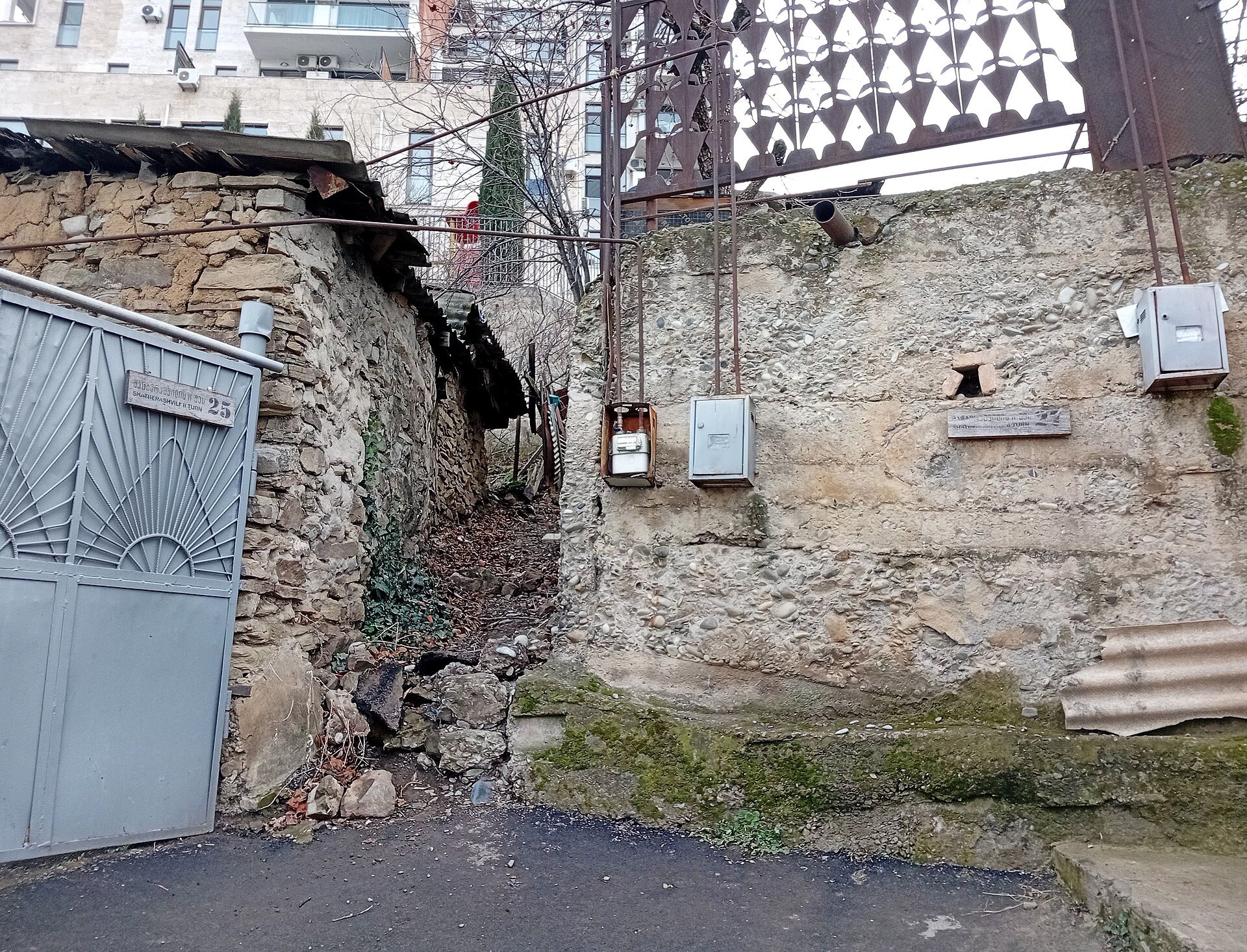
Household gas from Tbilisi Energy costs about 54 tetri per cubic meter, and the regulator has approved this tariff through the end of 2027. Most Tbilisi apartments have their own gas meter, and you pay for exactly what it shows.
In summer, gas only goes to the stove and hot water, and the bill rarely exceeds 5-10 lari. In winter, heating in Georgia decides everything: an apartment with a gas boiler can burn 150-250 cubic meters in January, or 80-140 lari for gas alone. So when choosing a place, ask in advance how it is heated and how much the owners paid last winter.
Water Tariffs and Drinking Water from the Tap
GWP tariffs for Tbilisi residents apply from 2024 to the end of 2026 and depend on whether the apartment has a water meter:
- With a meter: 0.50 lari per cubic meter (0.379 for water and 0.121 for sewage)
- Without a meter: 4.517 lari a month per registered resident
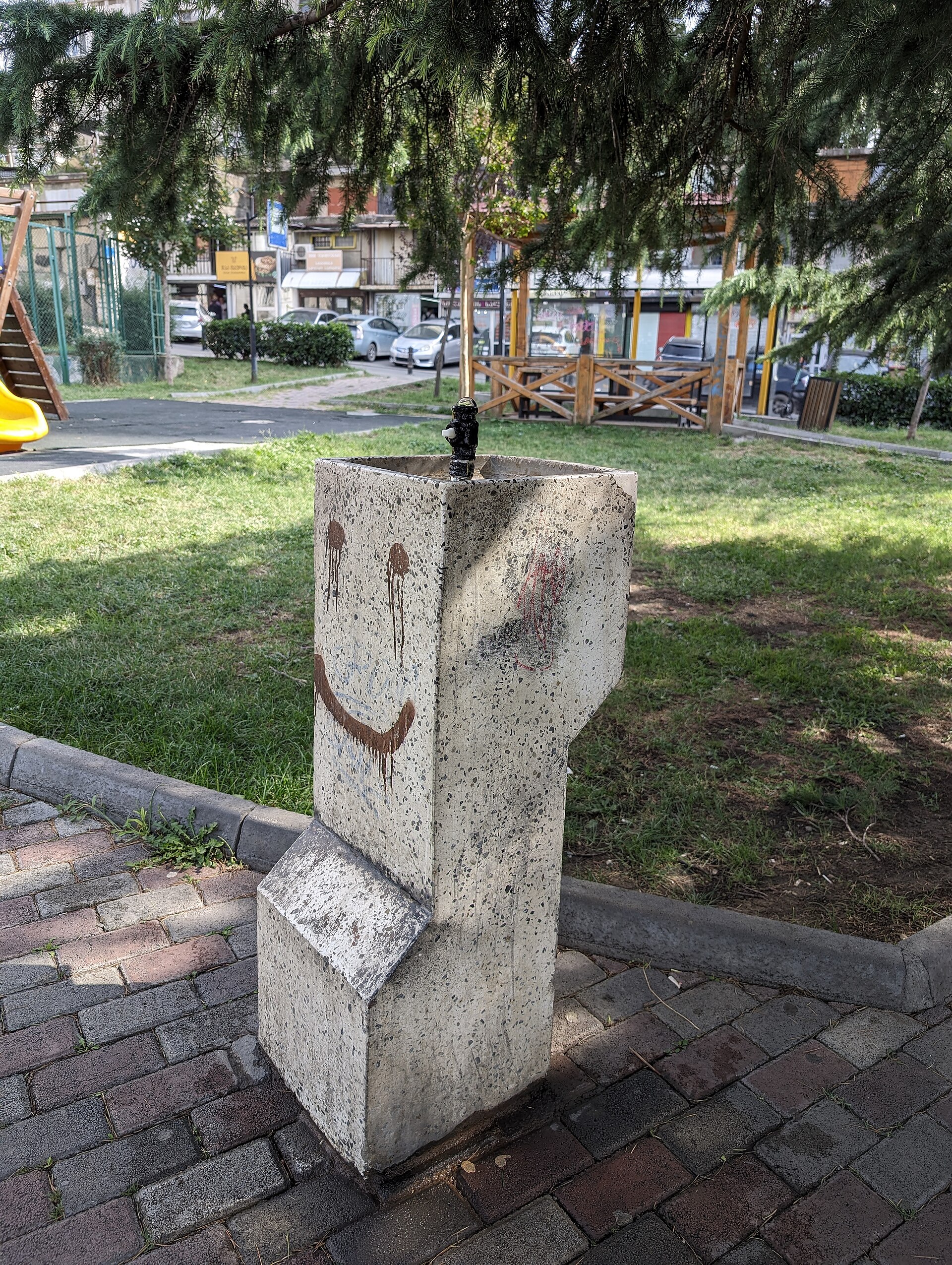
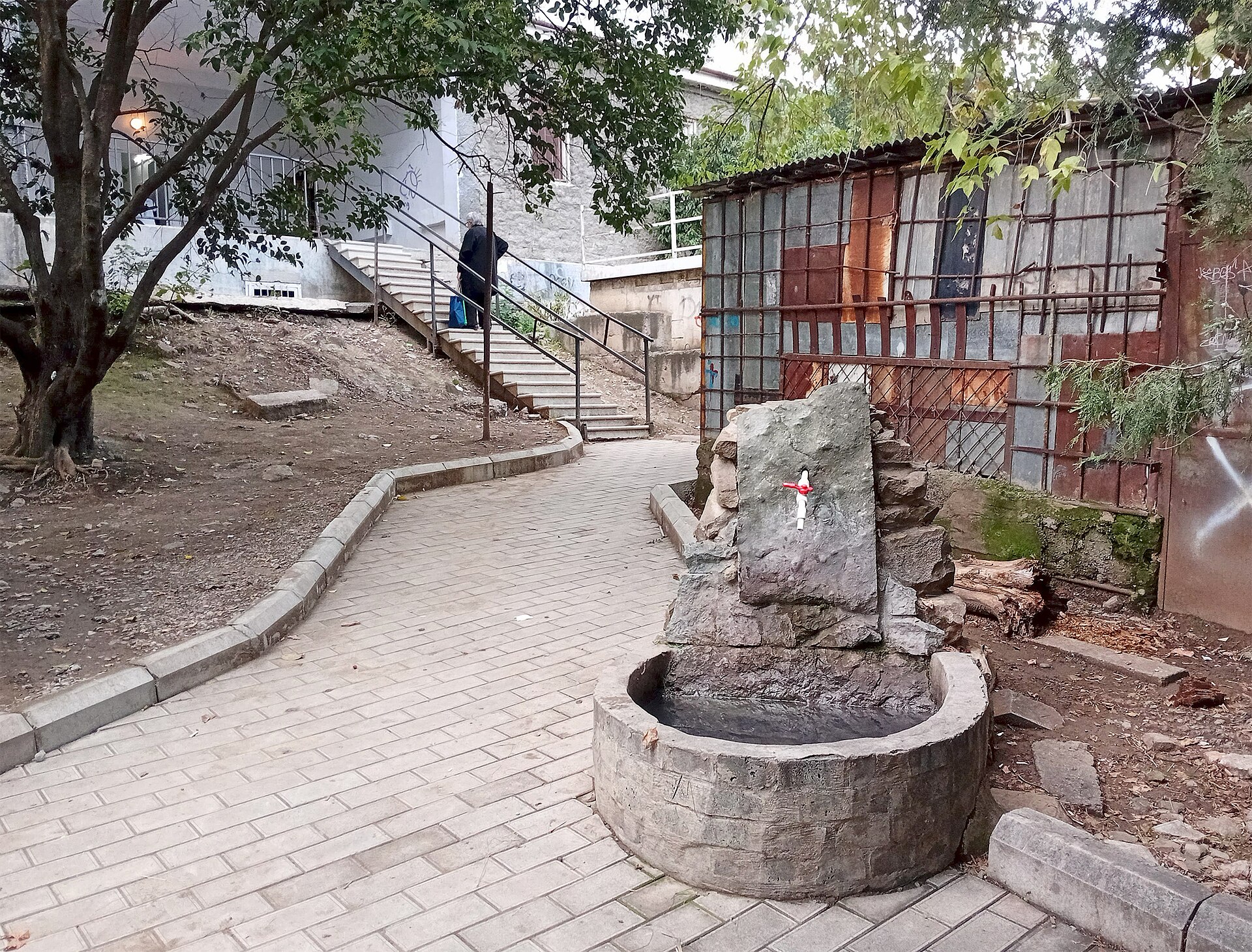
Tbilisi water comes from mountain sources and reservoirs, and it is drinkable straight from the tap. GWP tests it around the clock in automatic mode and every hour in its own laboratory against 53 parameters, and the quality meets WHO recommendations. Many residents drink it without a filter.
The one caveat concerns older buildings: the pipes inside a building are the owners' responsibility, not GWP's, and in a Soviet-era block the water sometimes has a rusty taste. In that case, an ordinary filter jug is enough.
Paid Elevators and Building Fees
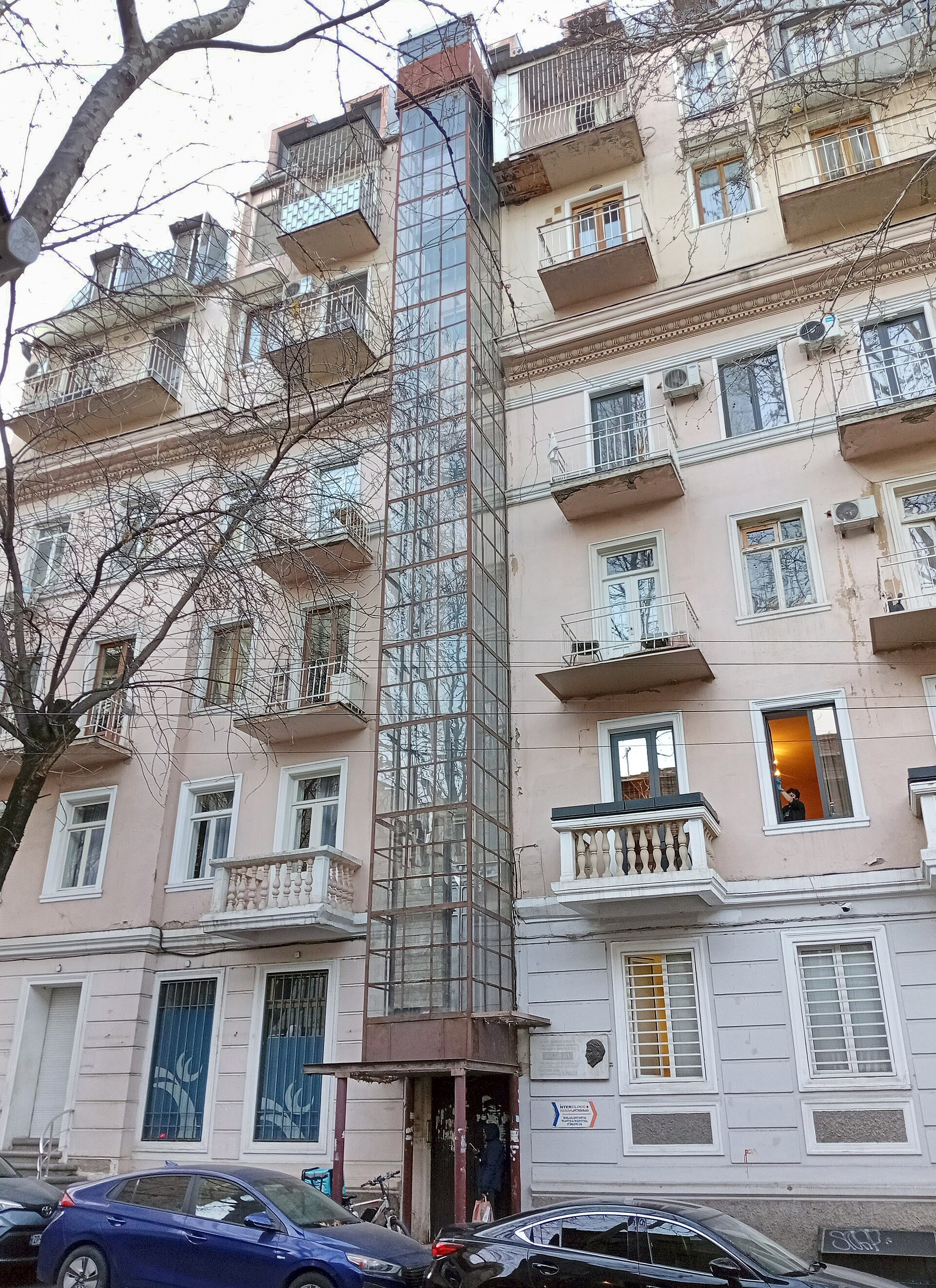
A distinctly local feature is the paid elevator. In many Soviet-era buildings, the cabin has a coin box: going up costs 10-20 tetri, while going down is usually free. Residents have funded the elevator's electricity and repairs this way since the 1990s, and keeping small change in your pocket is a habit here.
In some buildings, coins have been replaced by elevator cards issued by the head of the residents' association, or by QR payment through a banking app. In new residential complexes the elevator is usually free, but the management company charges a monthly fee for building maintenance, stairwell cleaning, and security, most often 5-20 dollars.
Where to Get the Customer Number
To pay for any service, you need the customer number, that is, the account number with the specific company. It is printed on the paper bill, which is usually left in the mailbox, and it arrives by SMS if a phone is linked to the account. If you rent, the simplest thing is to ask the owner right away for the customer numbers for electricity, gas, and water.
Before moving in, enter these numbers in a banking app and check the current balance: debts on the account are tied to the apartment, and it is better to discover someone else's arrears before signing the lease. Together with the meter readings on move-in day, this is the main thing to check before renting an apartment in Georgia.
Paying Online: Banking Apps and Autopay
Most residents pay utilities in their banking app. In Bank of Georgia, open the payments section, choose utilities, the company, and enter the customer number. In TBC, the same is done through the bill payment option. After the first payment, the bill can be saved as a template, and the app will show the amount due on its own.
Both banks let you set up autopay, so the money is debited from the account every month without your involvement. The fee for such payments is usually zero or about 0.5 lari, depending on the service package. The most convenient moment to do this is right after a personal bank account in Georgia has been opened.
Without a Georgian account, you can pay on tbcpay.ge and bogpay.ge: just choose the supplier, enter the customer number, and pay with a foreign Visa or Mastercard.
Paying in Cash: Terminals and Offices
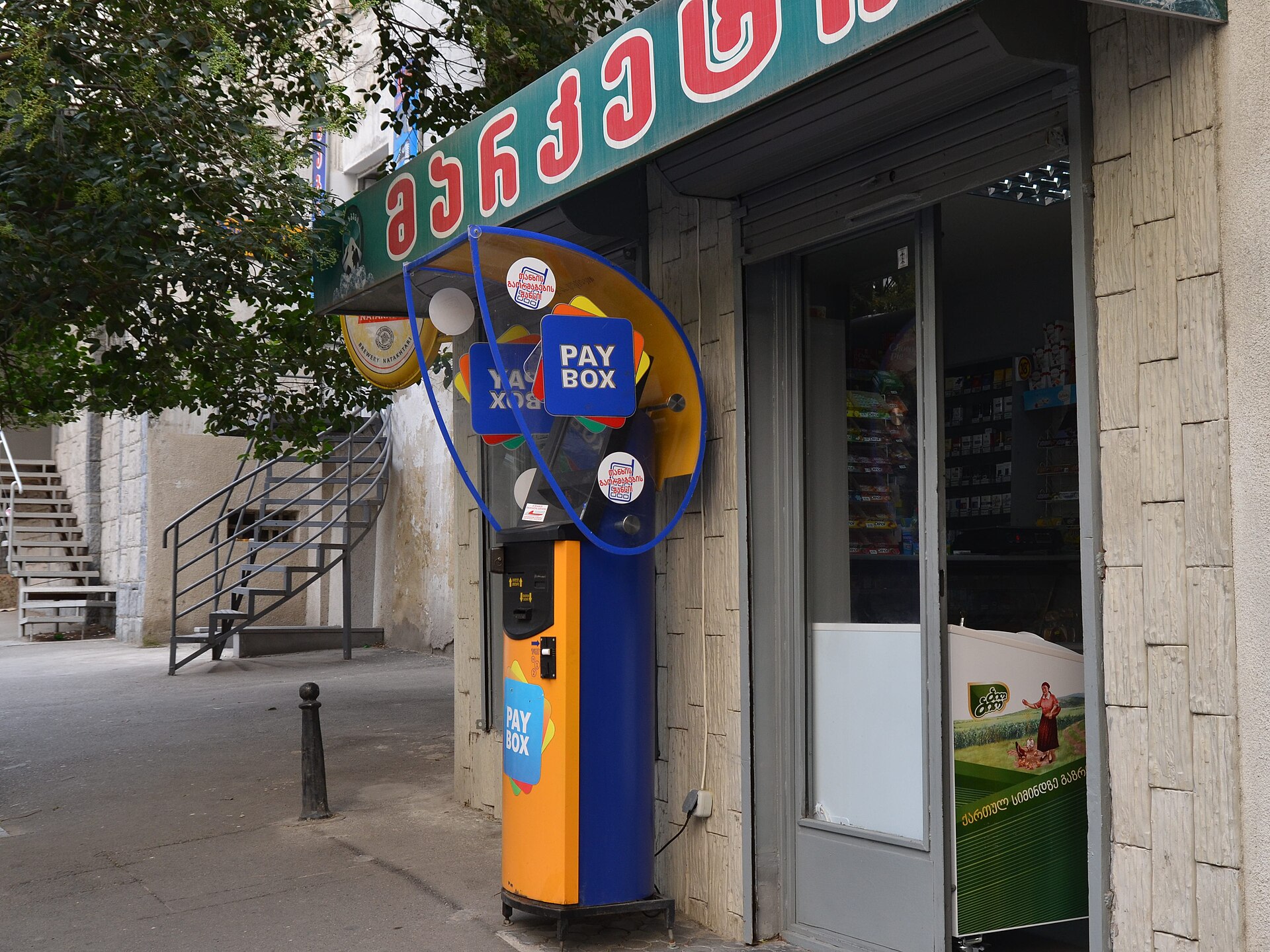
For those who prefer cash, payment terminals stand on every corner: blue ones from TBC, orange ones from Bank of Georgia, and multicolored Paybox machines from other networks. In the terminal menu, choose utilities, the company, enter the customer number, and insert the notes. The fee is usually 0.5-1 lari, and the terminal gives no change: the remainder is credited to the account toward next month.
You can also pay at the cashier of any bank branch, while disputes such as recalculation, changing the account holder, or wrong readings are handled at the companies' own customer centers. Their addresses and opening hours are on telmico.ge, te.ge, and gwp.ge.
What It Adds Up To per Month
In total, a one- or two-bedroom apartment in Tbilisi usually comes to 60-100 lari a month in summer and 120-235 lari in winter with gas heating. Together with rent, groceries, and transport, these amounts add up to overall living expenses in Georgia.
Frequently Asked Questions
The easiest way is in the Bank of Georgia or TBC app: choose the company, enter the customer number, and pay, and set up autopay from your account if you like. In cash, you can pay at street payment terminals or at a bank cashier.
Yes, tap water in Tbilisi is drinkable: GWP tests it against 53 parameters, and the quality meets WHO recommendations. In older buildings, internal pipes can give it a rusty taste, in which case a filter jug is enough.
In Tbilisi, since April 1, 2026, consumption up to 101 kWh a month costs 20.041 tetri per kWh, from 101 to 301 kWh 24.053 tetri, and above 301 kWh 28.537 tetri. At 150 kWh a month, the electricity bill comes to about 32 lari.
Yes, on tbcpay.ge and bogpay.ge you can choose the supplier, enter the customer number, and pay with a Visa or Mastercard from any bank, without a Georgian account.