Русский
 English
 ქართული
 Français
 Türkçe
 Հայերեն
 Қазақша
 Polski
 Azərbaycanca
 O'zbekcha
 中文
 Deutsch
 Español
 العربية
 فارسی
 हिन्दी
 עברית
 Housing 5 min read
Buying Off-Plan in Georgia: Risks and How to Vet a Developer
 GustawsonEditorial Team · Bebgur
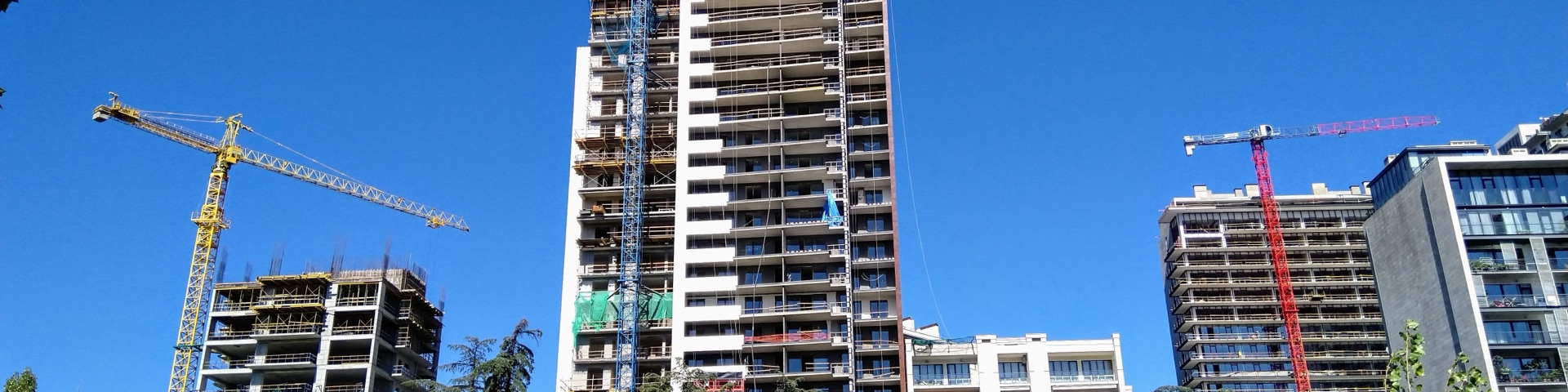
Buying an apartment off-plan is usually 15-25% cheaper than a finished home, which is exactly why most new projects in Georgia sell out long before the building is completed. The risk gap between this format and buying a finished apartment is large: while the building does not physically exist yet, the buyer is effectively financing the construction, trusting the developer to see it through.
In Batumi, the share of such deals is higher than in Tbilisi: coastal districts are being developed especially actively, and real estate in Batumi remains one of the most sought-after market segments. The risks, however, are the same in both cities.
What to Check About a Developer Before Signing a Contract
Three things are worth confirming without fail:
- Portfolio and reputation: how many buildings the company has already completed, whether it met its stated deadlines, and whether it has any unfinished or frozen projects. The best source is not the developer's website but a direct conversation with residents of the company's already-completed buildings.
- Land rights and a construction permit: the developer must officially own or hold a legal right to the plot, and the project must have a valid construction permit, not just a preliminary sketch design. The verification method is the same as for your own plot for a house.
- Financial stability: if the same developer is running many projects at once with clearly insufficient capacity, that is a warning sign: money from new buyers often goes toward finishing older projects rather than the current one.
Black, White, and Green Frame: What the Price Actually Includes
Off-plan apartments in Georgia are sold in three finishing states, and confusion over the terms is often the cause of disputes between buyer and developer.
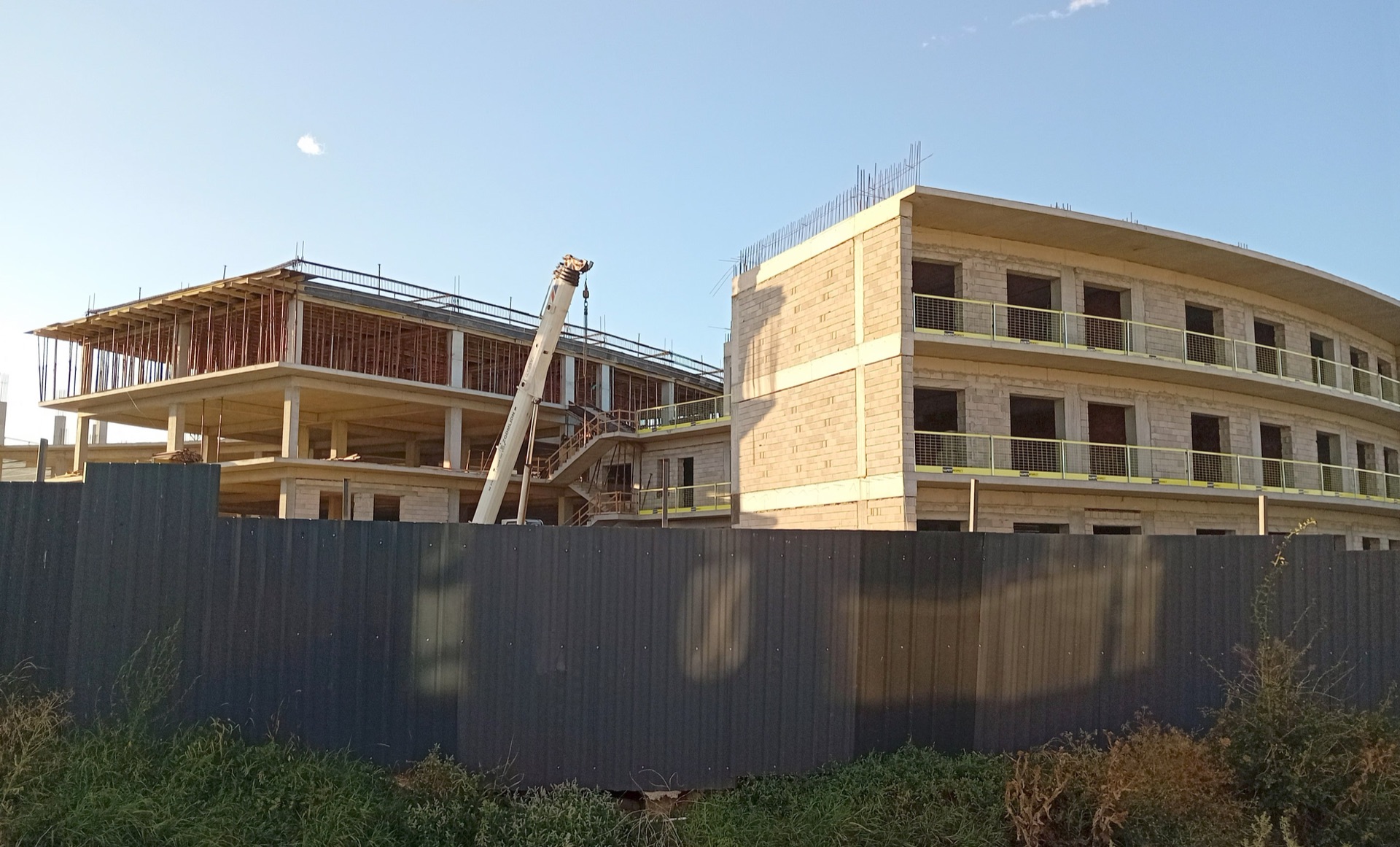
- Black frame: only the load-bearing structures, floor slabs, and exterior walls are finished. There are no interior partitions, electricity is brought only to the apartment's front door, the walls are not plastered, and there is no floor screed.
- White frame: the most popular option in Georgia. Interior partitions are built, the floor screed is done, electricity and plumbing are brought to the apartment (but not to outlets and fixtures), and the walls are plastered. You can move straight into finishing work.
- Green frame: the apartment is almost fully ready to move into, missing only furniture and, possibly, a final coat of paint on the walls.
There is no legal standard in Georgia for exactly what each of the three states includes: each developer defines the scope of work its own way. That means the only real protection is to spell out the exact list of completed work in the contract (screed materials, wiring specification, presence of plumbing fixtures) rather than relying on a verbal "delivered in white frame."
What Should Be in the Off-Plan Purchase Agreement
Besides an exact finishing specification, the contract should record:
- Payments tied to construction stages (foundation, frame, roof, finishing) rather than a single full payment upfront.
- A specific completion date and a penalty or compensation for each month of delay.
- The buyer's right, or that of an independent engineer they hire, to inspect the quality of work at key stages.
- The procedure for when the developer changes the project (layout changes, material substitutions): the developer is required to notify the buyer rather than change the terms after the fact.
Where possible, it is worth negotiating a partial reservation of payment in an escrow account or under a bank guarantee: this reduces the risk in case the developer runs into financial trouble, although this practice is not yet required by law in Georgia and is not offered by every developer.
Preliminary Registration: The Buyer's Main Legal Protection
Under the Civil Code of Georgia, a written contract alone is not enough to become an owner: what matters decisively is the entry in the Public Registry. For an apartment that does not physically exist yet, there is a separate mechanism: preliminary registration of the contract for the purchase of a future apartment. It blocks the registration of any other right to the same unit and prevents the developer from selling the same apartment twice.
This registration does not replace the final registration of ownership (which happens only after the building is completed and cadastral documents for individual apartments are issued, just as with a regular apartment purchase in Georgia), but it gives the buyer priority over other creditors and claimants to the unit if the developer runs into trouble. It is worth arranging right after signing the contract, without putting it off.
If Construction Stalls
Georgian law does not guarantee a refund: if the developer runs out of funding or a dispute with contractors begins, the buyer ends up in the creditors' line along with everyone else. Preliminary registration does not automatically return the money in this situation, but it gives a formal legal basis for a claim through the courts or within the developer's bankruptcy proceedings, should it come to that.
This is exactly why checking a developer's reputation before signing is more important than any clause in the contract itself: you can win a lawsuit against a bankrupt company with no assets, but getting real money back is far harder. Working with a developer that already has several buildings completed on time reduces this risk more than the most thorough legal review of paperwork.
Checklist Before Paying
- Developer's portfolio: completed buildings and adherence to deadlines, resident reviews.
- Land rights and a valid construction permit specifically for this building.
- An exact list of finishing work (black/white/green frame) recorded in the contract, not just verbally agreed.
- Payments tied to construction stages rather than the full amount upfront.
- The completion date and compensation for delay, spelled out in the contract.
- Preliminary registration of the contract in the Public Registry right after signing.
Frequently Asked Questions
Usually 15-25% compared to finished housing. The difference compensates the buyer for the risk: until the building is completed, the developer can delay deadlines, change the project, or run into financial trouble.
These are the three finishing states apartments are sold in: black frame: only load-bearing structures, with no partitions or utilities run; white frame: finished partitions, screed, and electricity and plumbing brought to the apartment; green frame: housing that is almost ready to move into.
Georgian law does not guarantee a refund. The only formal protection is preliminary registration of the contract in the Public Registry right after signing: it gives the buyer priority over other creditors if the developer runs into trouble.
No, using an escrow account or a bank guarantee is not required by law in Georgia and is left to the developer's discretion. It is worth asking about this option before signing the contract rather than assuming it is standard practice.