Русский
 English
 ქართული
 Français
 Türkçe
 Հայերեն
 Қазақша
 Polski
 Azərbaycanca
 O'zbekcha
 中文
 Deutsch
 Español
 العربية
 فارسی
 हिन्दी
 עברית
 Life 5 min read
Climate in Georgia: Weather in Tbilisi, Batumi, and the Mountains
 GustawsonEditorial Team · Bebgur
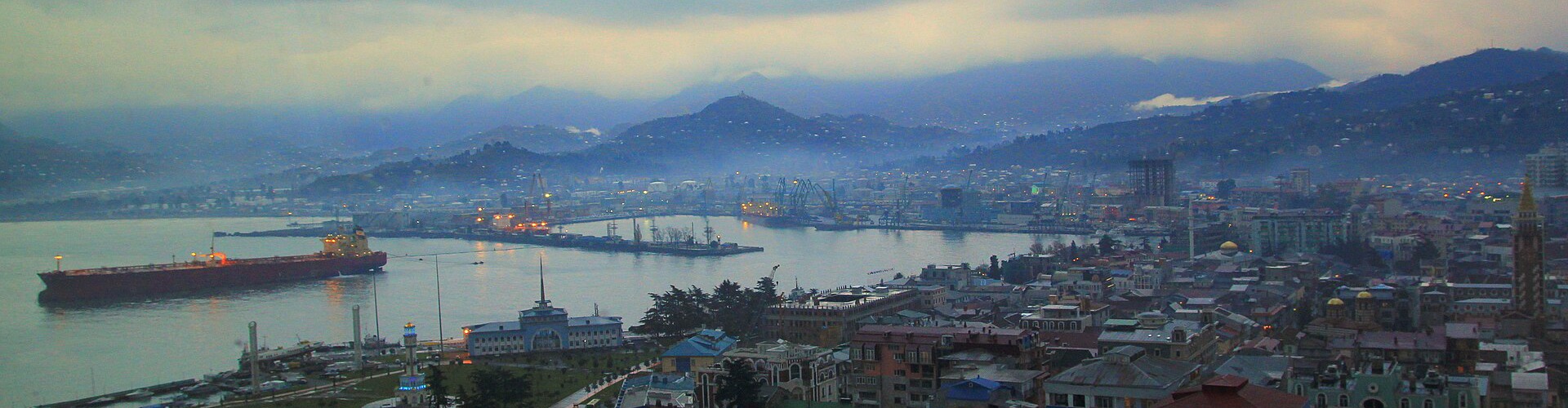
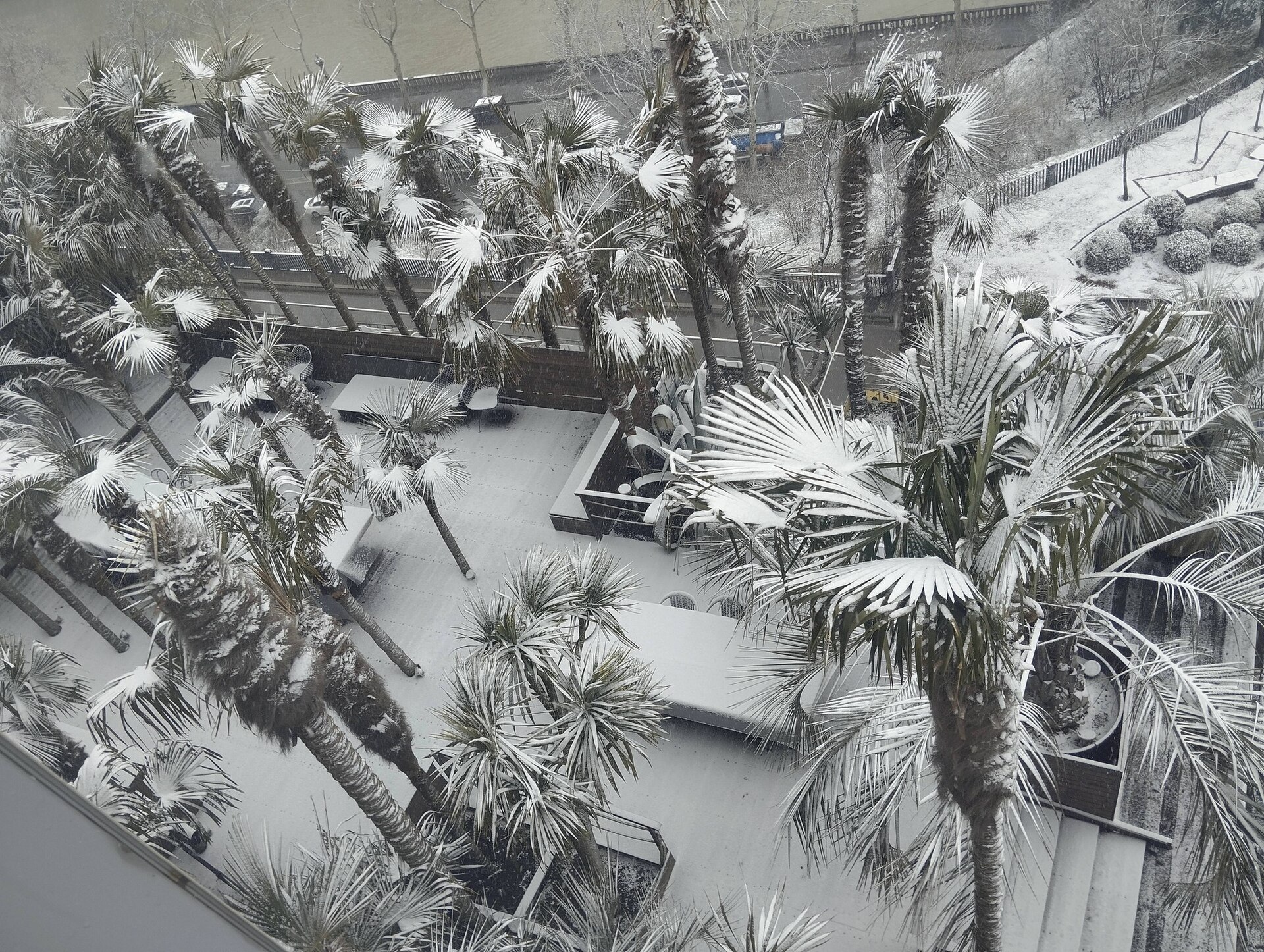
Georgia packs three different climates into a small territory: dry continental in Tbilisi, humid subtropical on the coast, and harsh mountain weather in the Caucasus. Tbilisi and Batumi are only 263 km apart, yet in winter one gets snow while the other sees weeks of rain at plus ten, and for everyday life this difference matters more than any tourist forecast.
Tbilisi: Hot Summers and a Short Winter
The capital sits in a basin sheltered by mountains, so the weather here is continental and fairly dry. Average temperatures by month:
| Month | Night | Day |
|---|---|---|
| January | around 0°C (32°F) | +7°C (45°F) |
| February | around 0°C (32°F) | +9°C (48°F) |
| March | +4°C (39°F) | +14°C (57°F) |
| April | +8°C (46°F) | +19°C (66°F) |
| May | +13°C (55°F) | +24°C (75°F) |
| June | +17°C (63°F) | +29°C (84°F) |
| July | +20°C (68°F) | +32°C (90°F) |
| August | +20°C (68°F) | +32°C (90°F) |
| September | +16°C (61°F) | +27°C (81°F) |
| October | +11°C (52°F) | +20°C (68°F) |
| November | +5°C (41°F) | +13°C (55°F) |
| December | +1°C (34°F) | +8°C (46°F) |
In summer the average high is about 32°C, but heat waves regularly push it to 35-38°C, and in recent years records have exceeded 40°C. In July and August the sun shines more than 250 hours a month, asphalt and stone in the center heat up, and an apartment without air conditioning is hard going.
Winter is short and relatively mild: snow falls often but not much and melts quickly, and frosts below -10°C happen roughly once every five or six years. Most of the rain falls in April, May, and June, up to 84 mm a month, while winter, by contrast, is the driest time of year. Tbilisi is also a windy city, which makes the winter cold feel sharper.
The capital gets plenty of sun, but unevenly: in December and January about 95-100 hours of sunshine a month, in July about 255. The short gray days, more than the cold itself, are what people most often name as the main downside of a Tbilisi winter.
Batumi: Mild Winters and a Lot of Rain
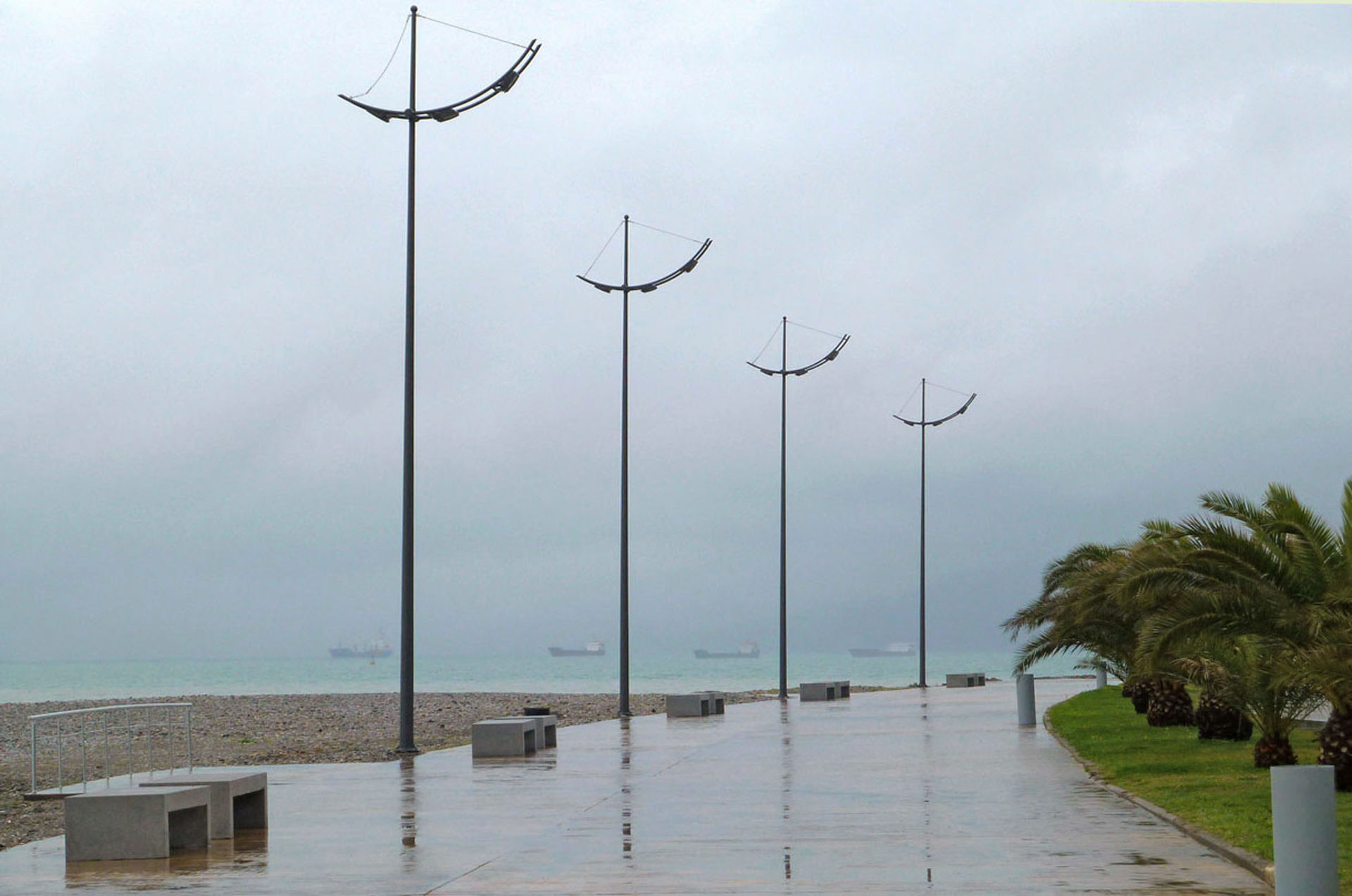
Batumi is one of the rainiest cities in the region: about 2,435 mm of precipitation falls here a year, several times more than in the capital. From July to March every month brings more than 150 mm, and the wettest month is November, with 312 mm.
Winters, on the other hand, are mild: in January from +4.6°C at night to +11°C during the day, and snow is rare. Summers are warm but not hot, averaging up to 27.5°C in August, and the sea breeze usually keeps the temperature from rising above 29°C. The sea warms up to 25°C in July and August and cools to 9°C in February and March.
The defining feature of Batumi's climate is humidity, 70-80% year-round. In summer it makes the heat feel muggier than the thermometer shows, while in winter laundry takes ages to dry, mold appears in older buildings, and a great many people here buy a dehumidifier.
Kutaisi and the West of the Country
Kutaisi sits between the two extremes. It is warmer than Tbilisi in winter, about +6°C on average in January, and about +28°C during summer days. Precipitation is about 1,400 mm a year, noticeably more than in the capital but less than on the coast, and it is spread fairly evenly across the months.
For daily life, this means a green city with a mild winter but frequent rain at any time of year, with no pronounced dry season as in Tbilisi.
The Mountains: Long Winters and Cool Summers
In the mountains, altitude sets the climate: every hundred meters of elevation makes the air cooler, and already at one and a half kilometers winter lasts half the year. Average temperatures in the main mountain towns:
- Stepantsminda (Kazbegi), 1,740 m: in January from -11°C at night to -2°C during the day, in July from +8°C to +20°C
- Mestia (Svaneti), 1,500 m: in January an average of -6.4°C, in July +16.4°C
- Bakuriani, 1,700 m: in January an average of -7.3°C, in August about +15°C
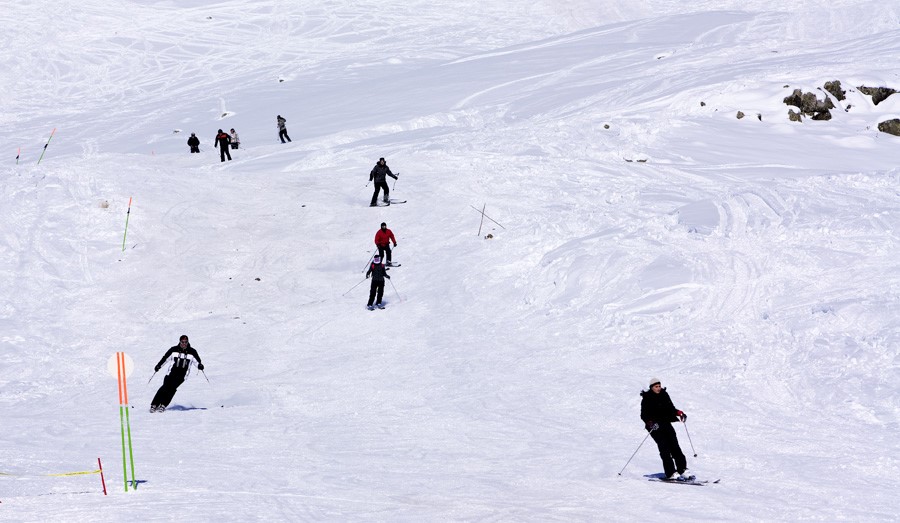
- Gudauri, 2,200 m: in January from -14°C at night to -6°C during the day, in summer from +8°C to +19°C; snow cover usually 1-2.5 m
In the high mountains snow lies roughly from November to April. At the ski resorts in Georgia, the season usually starts in late December and runs until mid-April in Gudauri and until late March in Bakuriani. Kazbegi has seen frosts down to -34°C, so a winter trip calls for real winter gear, not a city jacket.
In summer the mountains become an escape from the heat: when Tbilisi hits +35°C, Kazbegi is about +20°C during the day and can drop below +10°C at night. That is why many Tbilisi residents head to the mountains for July and August.
Mountain weather changes fast, and in winter avalanches and snowfall regularly close the passes, including the Georgian Military Road. In spring and summer mudflows come down in the mountains, so checking reports and the forecast before a trip is a must: the mountains remain one of the key factors behind safety in Georgia.
What the Climate Means for Daily Life
In Tbilisi the main seasonal expense is winter heating in Georgia: in January an apartment with a gas boiler easily burns through 150-250 cubic meters of gas, while in summer air conditioning runs up the bill. That is why utility bills in Georgia differ by a factor of two or more between winter and summer.
Another winter feature of Tbilisi concerns the air: on windless days smog settles in the basin, and the annual average level of fine PM2.5 particles is roughly four times the WHO guideline. People with asthma or young children should think about an air purifier in advance.
When choosing an apartment, factor in the climate from the start:
- In Tbilisi: air conditioning in the bedroom, gas heating, and decent windows
- In Batumi: dry walls with no mold spots, ventilation in the bathroom, a dehumidifier
- Everywhere: the floor and the side of the building it faces, which decide how much the apartment heats up in summer
- In older buildings: insulation, because in winter it is what determines the bills
When It Is Best to Move
The most comfortable months to move to Tbilisi are September and October, when the heat has passed and the heating season is still far off: +20-27°C during the day. May is good too, although it brings the spring rains. Moving in July and August means apartment hunting in the heat, while in the depths of winter it is easier to judge right away how well an apartment holds heat.
In Batumi the best months are May and June: it is warm, the sea is warming up, and there is less rain than at any other time of year. In September the sea is still warm, but the rains are already returning. Autumn and winter on the coast are the grayest, and that is exactly when many people realize which city suits them better when choosing between Tbilisi and Batumi.
What Clothes to Bring
- Light clothing and a hat for the Tbilisi summer heat
- A warm jacket, a hat, and waterproof shoes for winter in Tbilisi
- A good umbrella and a raincoat for Batumi at any time of year
- Thermal underwear and winter boots if the mountains are in your plans between November and April

Frequently Asked Questions
Winter is short and relatively mild: in January around 0°C at night and +7°C during the day. Snow falls often but not much and melts quickly, and frosts below -10°C happen roughly once every five or six years.
The average high in July and August is about 32°C, but heat waves push temperatures to 35-38°C, and in recent years records have exceeded 40°C. Air conditioning in the apartment is practically a must.
Batumi gets about 2,435 mm of precipitation a year, several times more than Tbilisi. From July to March every month brings more than 150 mm, with November the rainiest. Winters are mild, though, and humidity stays at 70-80%.
In Tbilisi the most comfortable months are September and October, when the heat has passed and heating is not yet needed, and also May. In Batumi the best time is May and June, when rainfall is at its lowest of the year.