Русский
 English
 ქართული
 Français
 Türkçe
 Հայերեն
 Қазақша
 Polski
 Azərbaycanca
 O'zbekcha
 中文
 Deutsch
 Español
 العربية
 فارسی
 हिन्दी
 עברית
 Healthcare 5 min read
Travel Insurance for Georgia: The Entry Rule, Ski Cover and Prices
 GustawsonEditorial Team · Bebgur
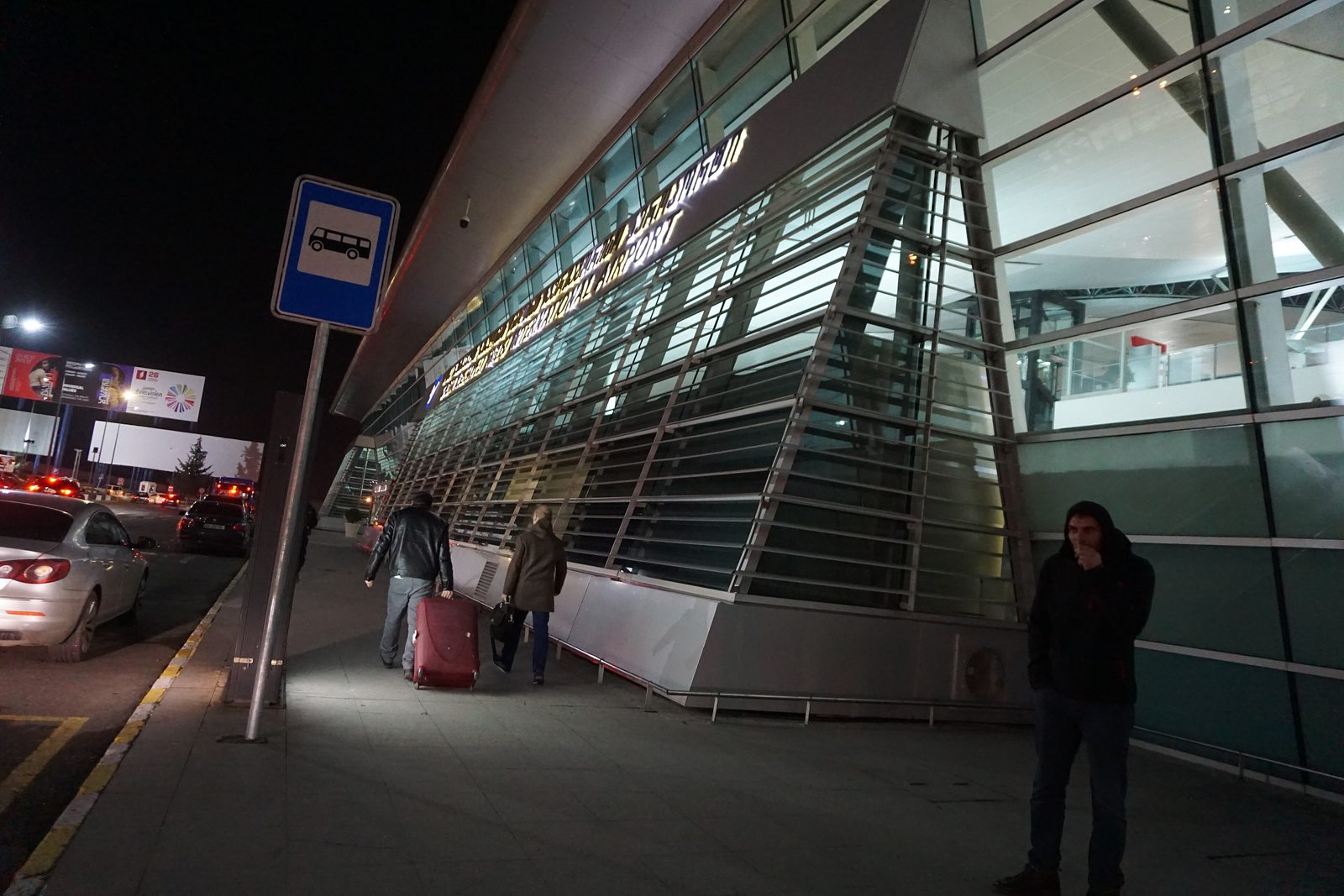
Since 1 January 2026, every foreign tourist arriving in Georgia has to carry health insurance. Border officers can ask to see the policy and turn you away without one, and the law sets the minimum cover at 30,000 lari for the whole trip.
The cheapest policy will get you through passport control, but it almost never pays for a ski injury or a rescue off the slopes. So the right choice depends on what you plan to do once you arrive, how long you are staying and whether the mountains are on the itinerary.
What insurance you need to enter Georgia
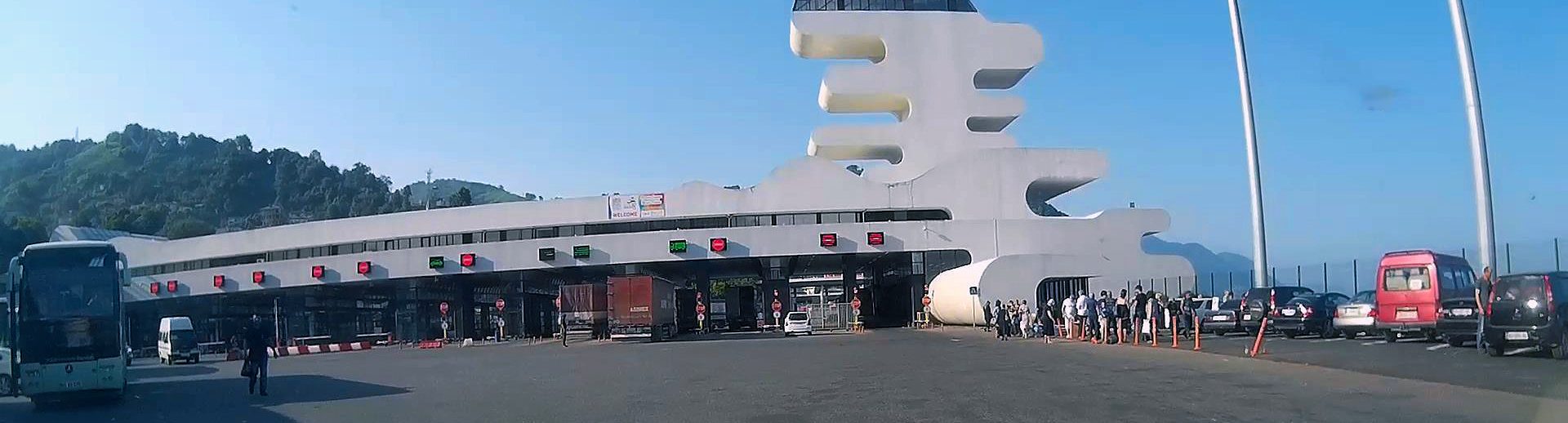
The requirement was introduced by Georgian Government Resolution No. 602 of 26 December 2025. It applies to every tourist, whatever your nationality and whether you arrive on a visa or under visa-free entry to Georgia.
- Sum insured: at least 30,000 lari for medical treatment and accidents.
- Dates: every day of the stay, from arrival to departure, up to a maximum of 1 year.
- Language: Georgian or English, on paper or on your phone.
- Insurer: a Georgian or a foreign company, either is fine.
- Children: every child needs a policy of their own, babies included.
Diplomats, holders of service passports and international transport drivers are exempt, and so is anyone who already holds a residence permit in Georgia. There is no fine for turning up without a policy, but you can be refused entry, and some airlines ask to see it at check-in.
Every entry counts. If you cross from Georgia into Armenia or Turkey by land and come back, your policy has to run through the days after your return as well.
Picking a policy for an ordinary trip
You can buy an entry policy from a Georgian insurer or rely on travel insurance bought at home. Either works, as long as the document names Georgia, covers your travel dates and shows at least 30,000 lari of cover in English or Georgian.
| What to compare | Georgian entry policy | International travel policy |
|---|---|---|
| Where to buy | on the insurer's website, in a few minutes | from an insurer back home or an online service |
| Sum insured | exactly 30,000 lari, with sub-limits inside | usually higher, often in dollars or euros |
| Skiing | excluded or capped at a low limit in a standard policy | usually sold as an add-on |
| Language | English and Georgian | must be in English or Georgian |
| Price | from 2 lari a day | depends on your country, age and limits, and can be cheaper or dearer than a Georgian policy |
A Georgian entry policy is designed to tick the legal box, so the limits inside it are modest. Within the overall 30,000 lari, Unison, a Georgian insurer, sets these caps:
- Outpatient care: 10,000 lari, with a 100 lari deductible.
- Hospitalisation: 20,000 lari.
- Emergency dental care: 500 lari.
- Evacuation after a sports injury: 2,000 lari.
- Repatriation: 5,000 lari.
If you are staying for a long stretch, have a chronic condition or are heading into the mountains, buy a policy with higher limits and read the exclusions before you pay.
Skiing, snowboarding and the mountains
Standard entry policies either leave skiing out altogether or cover it with a small limit. Aldagi lists skiing among its exclusions, while Unison covers amateur sport but caps evacuation after a sports injury at 2,000 lari.
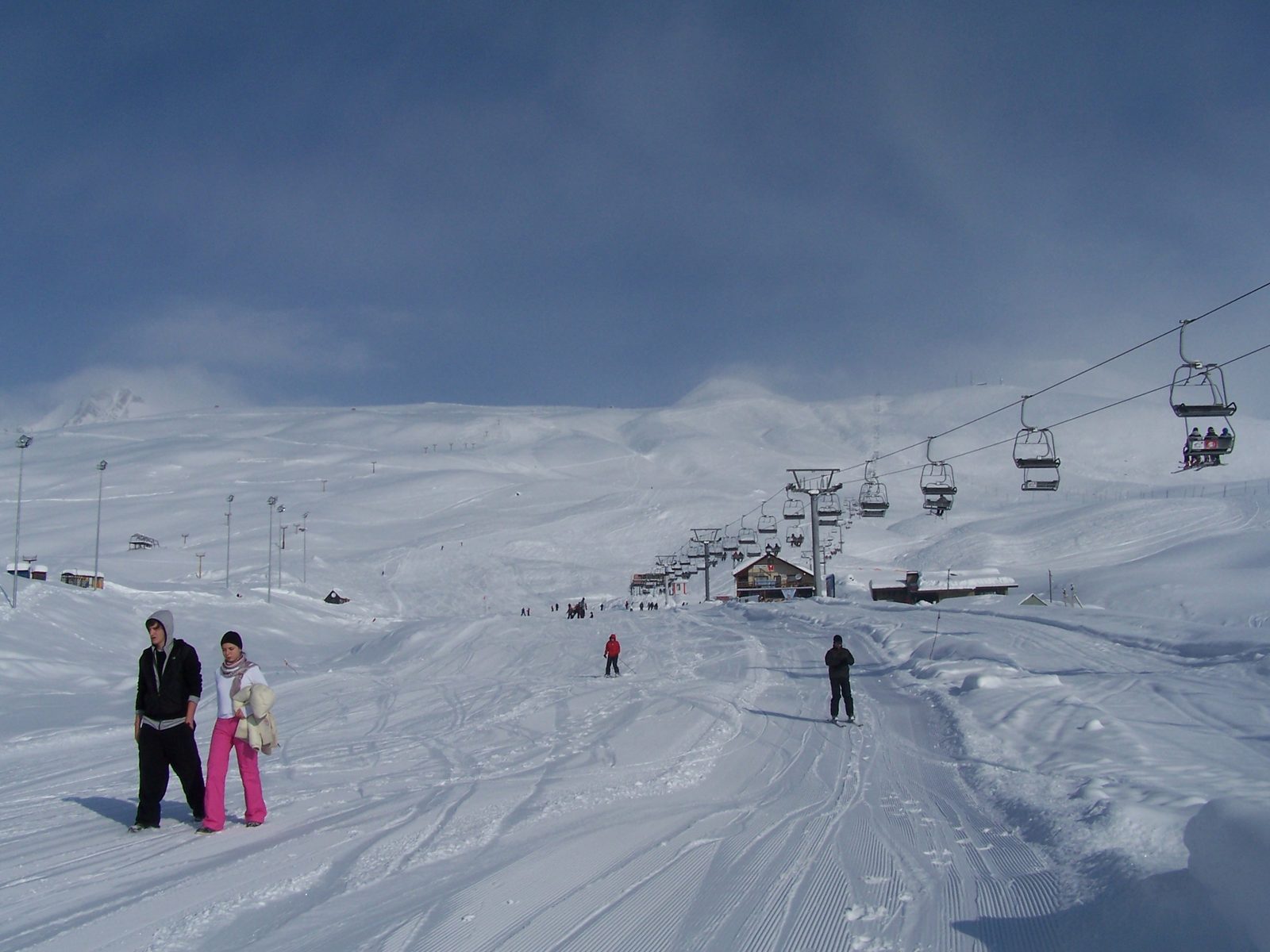
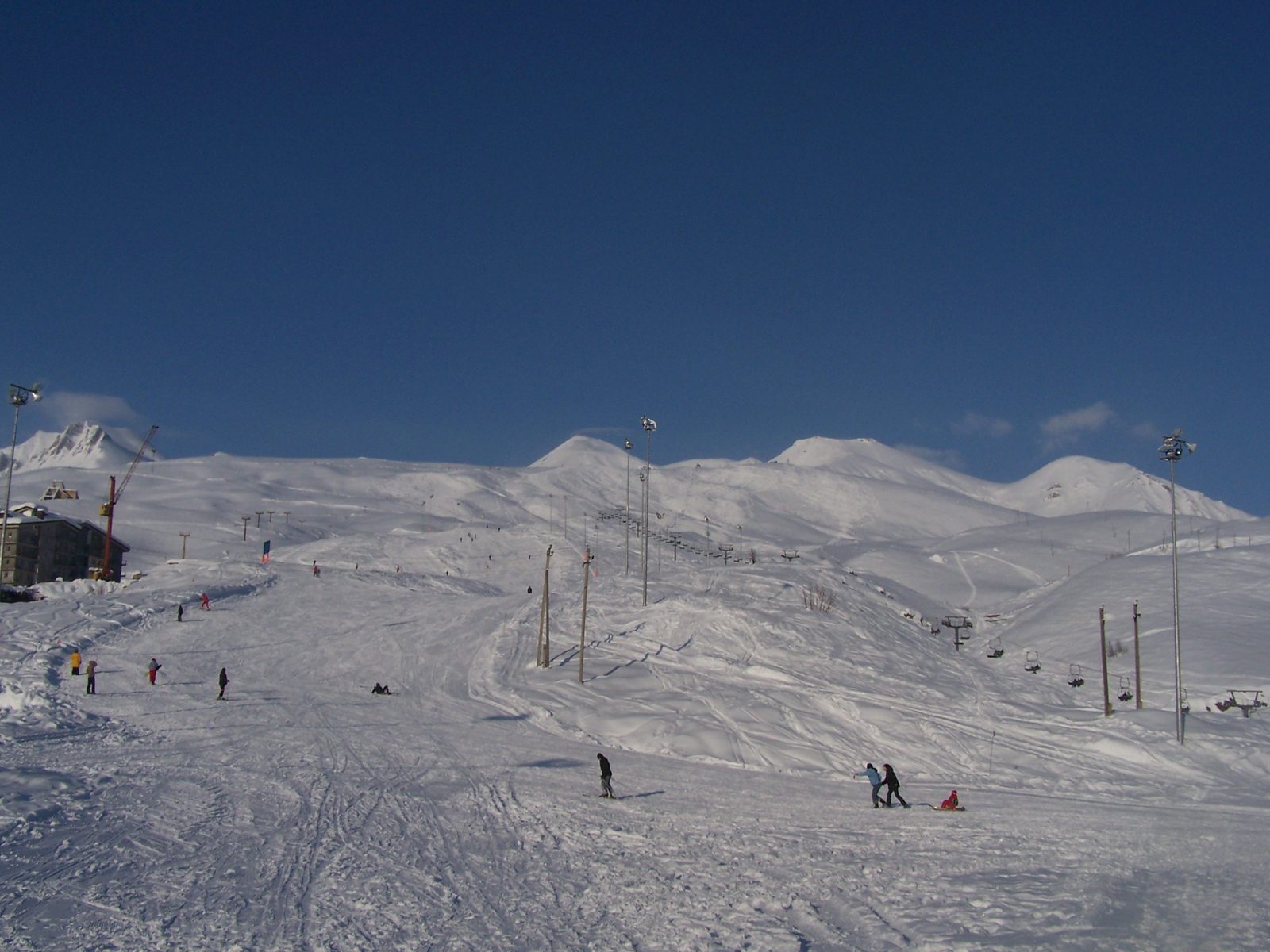
At Georgia's ski resorts, first aid on the slopes comes from Interior Ministry ski patrols and rescue teams, and Gudauri has a medical point. Anyone seriously hurt goes to a hospital in Tbilisi by helicopter or intensive-care ambulance, and from Gudauri that is 120 km of mountain road. Insurance covers the treatment, the transport and, if it comes to it, the flight home.
Before you pay for a ski policy, check five things in the small print:
- On-piste skiing: skiing and snowboarding should appear on the list of covered sports, not among the exclusions.
- Off-piste: freeriding in Gudauri or on Tetnuldi usually needs a separate, more expensive option.
- Heli-skiing and ski touring: only the extended sports plans cover these.
- Evacuation: whether transport off the mountain, including by helicopter, is covered at all, and up to what limit.
- Medical treatment: the higher the limit, the less chance you end up paying the difference yourself.
Among Georgian policies, ARDI Welcomer EXTREME does cover mountain sports: snowboarding, ski touring and mountaineering are named in its terms, and evacuation is paid with no separate cap. Helicopters are not mentioned anywhere, so for heli-skiing pick a policy that spells them out.
How much a policy costs
Entry policies from Georgian insurers start at 2 lari a day, and the exact figure depends on your age and how long you are staying. On the ARDI online calculator on 9 October 2026, a week's cover came out at:
- Welcomer, the standard entry policy: 14 lari.
- Welcomer EXTREME, with skiing and snowboarding: 84 lari.
A policy with mountain sports costs several times more than a basic one, but next to a lift pass and the flights the difference hardly registers. Prices for international policies with a ski add-on vary a great deal depending on where they are sold, so look at the limits and exclusions before you buy.
If you are staying in Georgia for a long time, you can buy your entry policy for the whole stay in one go, though for no more than a year. Before you pay, compare insurance prices in Georgia for 6 or 12 months and check the policy terms that matter on a long stay.
When and how to buy
The easiest route is to buy online before you fly: Georgian insurers issue the policy in a few minutes and email it straight away. Leaving it to the last minute is a gamble, because some policies do not kick in immediately: Unison cover, for example, starts 6 hours after payment.
- Dates: from the day you arrive to the day you leave, inclusive.
- Travelling companions: a separate policy for every adult and every child.
- Copies: a PDF on your phone and a printout in case the battery dies.
- Extensions: if you decide to stay longer, extend the policy before it runs out.
Coming soon to Bebgur: travel insurance for Georgia, including cover for skiing and snowboarding. You will be able to compare policies and buy one right here on the page.
If something goes wrong
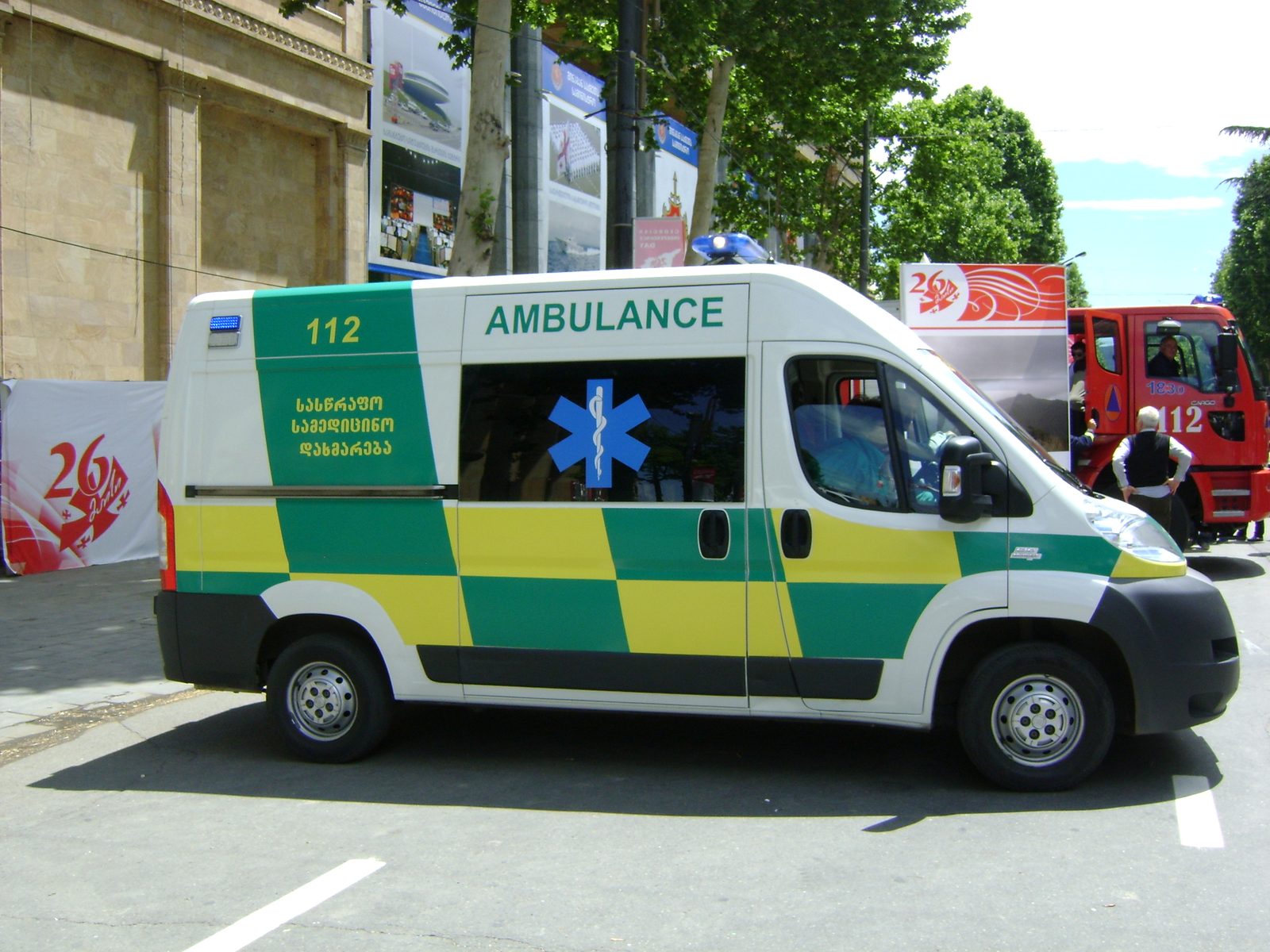
In an emergency, dial 112, the single number for ambulance, police and rescue. The ambulance itself is free for everyone, but hospital treatment once you arrive is paid for separately, and that is where the insurance comes in.
If it is not an emergency, start with your insurer's 24-hour assistance line, the number printed in your policy. They will point you to a clinic, and the insurer settles the bill with the clinic directly. Clinics used to foreign patients bill international insurers themselves, and you can see a doctor in Georgia without a referral.
If you end up paying out of your own pocket, keep the receipts and the medical report. Deadlines vary from one insurer to the next: Unison wants a claim reported within 24 hours and the documents sent within 10 days.
Anyone living in the country on a residence permit does not need an entry policy at all. They pay for treatment themselves or through private health insurance in Georgia, and only protected groups get free care under the state programme.
Frequently Asked Questions
Yes. Since 1 January 2026, every foreign tourist needs health insurance for the whole stay, with at least 30,000 lari of cover. Border officers can refuse entry to anyone without it.
A policy from a Georgian or foreign insurer, written in Georgian or English, that names Georgia, covers your travel dates and provides at least 30,000 lari for medical treatment and accidents. You can show it on paper or on your phone.
A standard entry policy usually excludes skiing or pays for evacuation only up to a small limit. For skiing you need a policy with a sports option, such as ARDI Welcomer EXTREME at 84 lari a week, or an international policy with a ski add-on.
Yes, every tourist needs a policy, babies included. Children are not covered by a parent's policy and need one of their own.
No. Residence permit holders are not checked for entry insurance at the border. They pay for treatment themselves or through a private policy, and only protected groups get free care under the state programme.