Русский
 English
 ქართული
 Français
 Türkçe
 Հայերեն
 Қазақша
 Polski
 Azərbaycanca
 O'zbekcha
 中文
 Deutsch
 Español
 العربية
 فارسی
 हिन्दी
 עברית
 Housing 4 min read
Real Estate in Georgia: How to Buy a House or an Apartment
 GustawsonEditorial Team · Bebgur
A foreigner can buy almost any property in Georgia just as freely as a citizen: without a residence permit, without a special license, and with almost no restrictions on the type of property. The one systemic exception is agricultural land; for the rest of the market, the entry barrier is money, not the buyer's citizenship.
This guide ties together the whole real estate section: what and where to buy, how the deal itself works, what financing costs, and what taxes come up at each stage, in the order these decisions actually arise.
Where to Start: Tbilisi or Batumi
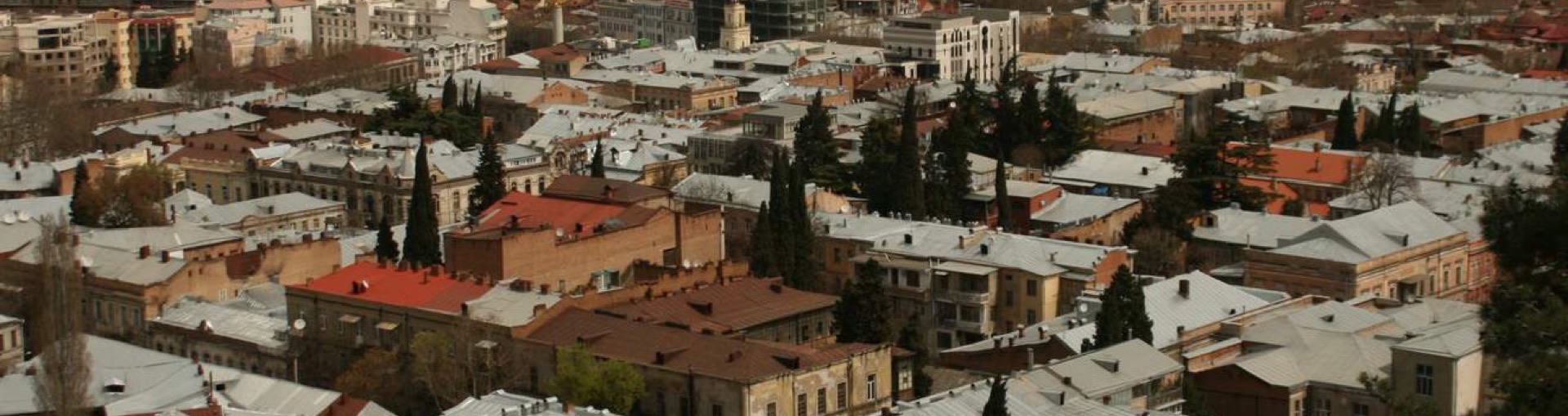
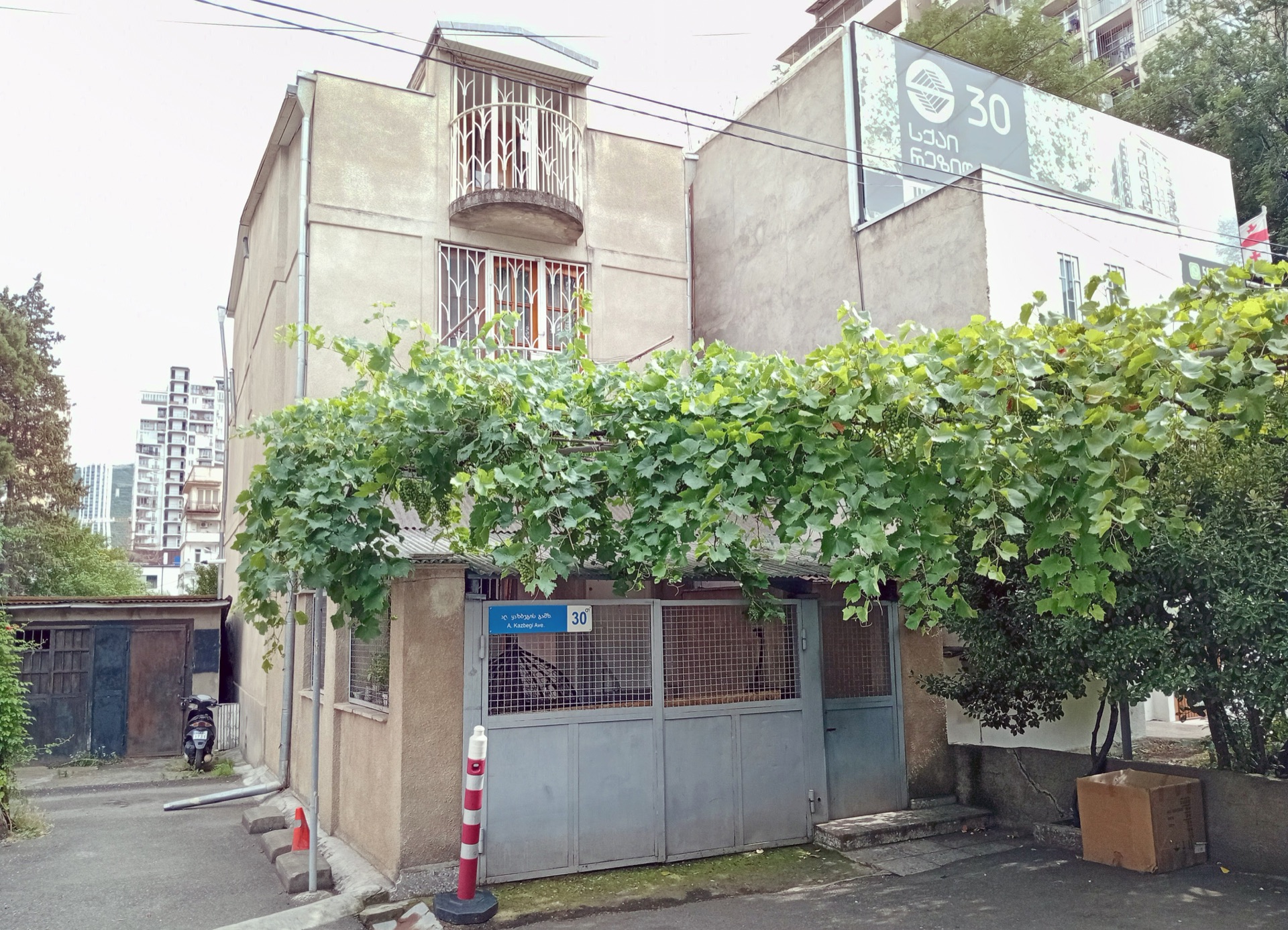
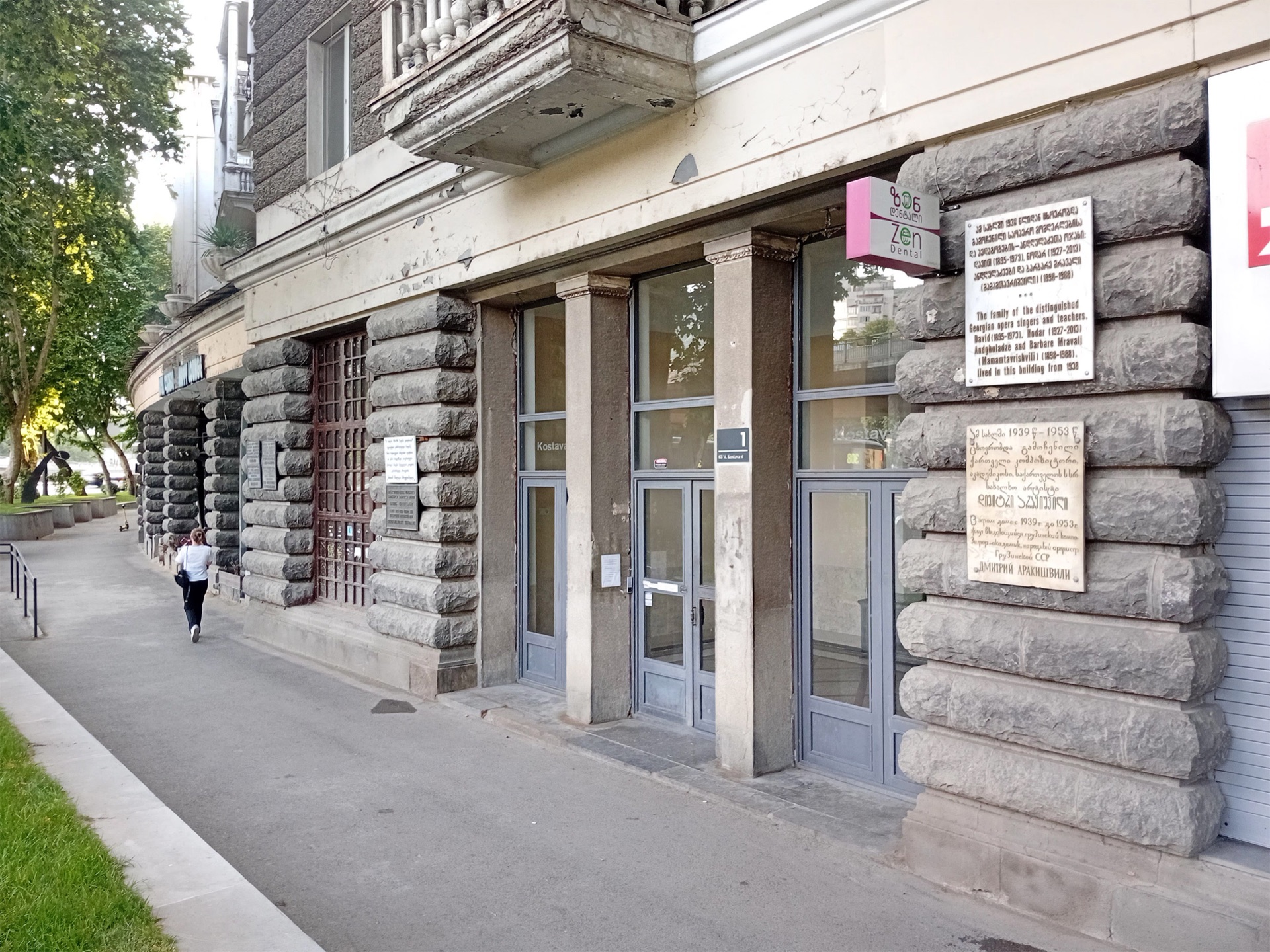
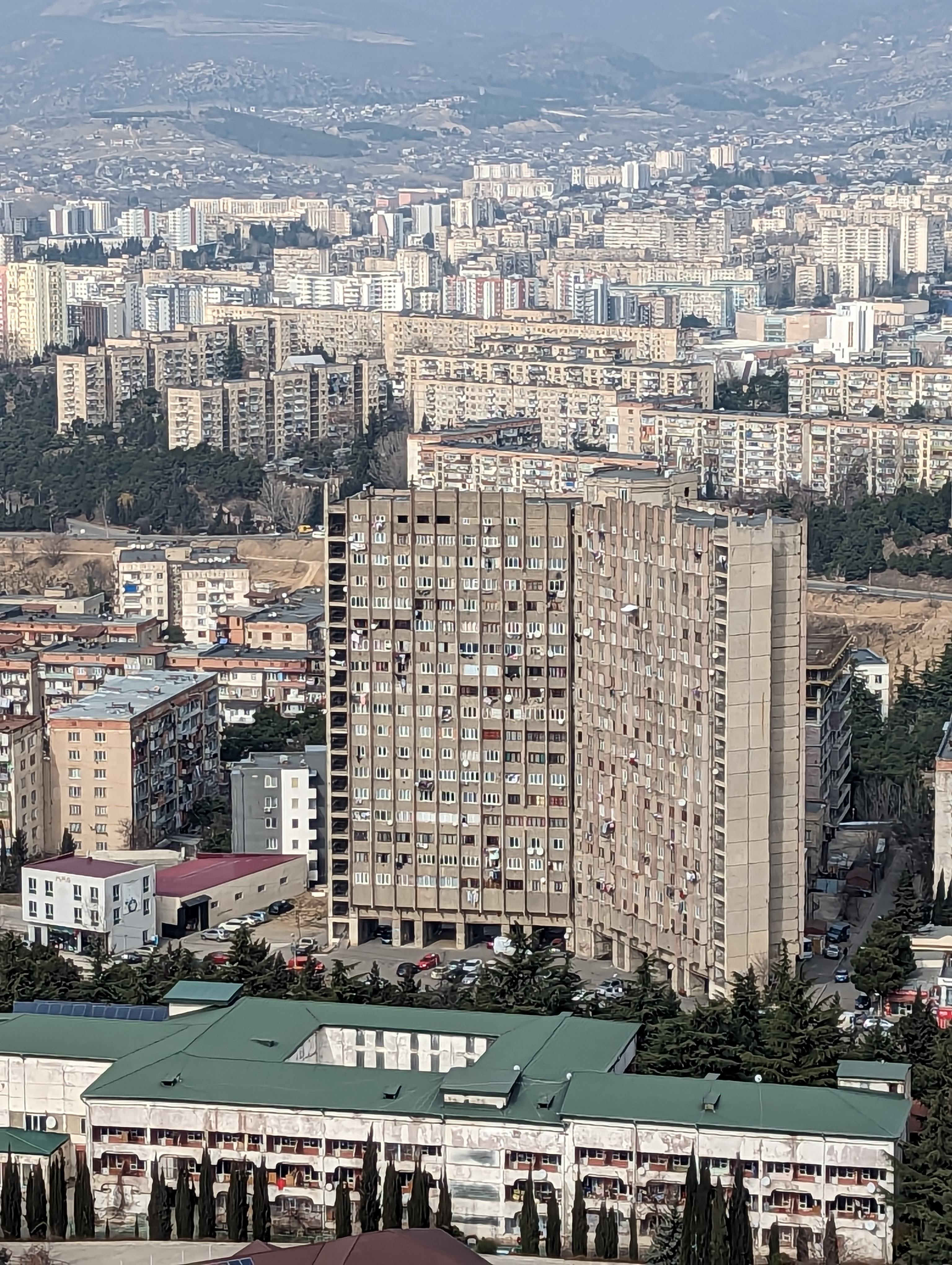
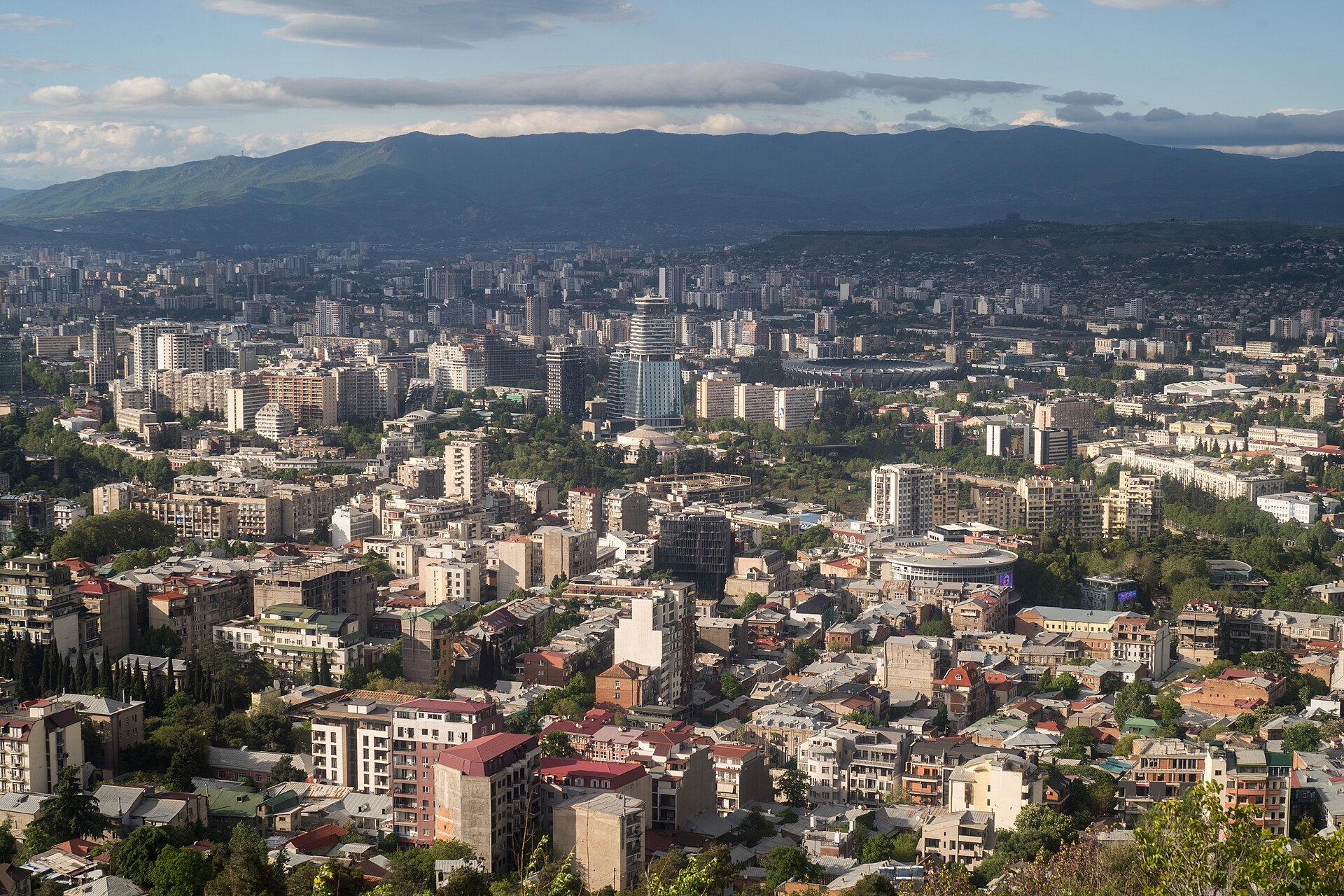
In Tbilisi, price is tied to the district: from budget outskirts to upscale Vake and Saburtalo, and the market is stable year-round.
Asking prices are almost universally quoted in US dollars rather than lari, even though the deal itself settles in GEL, and per-square-meter prices for a typical finished apartment usually fall somewhere between $900 and $1,500 depending on the district and finish level. Real estate in Tbilisi remains the country's most liquid segment by the number of deals per year.
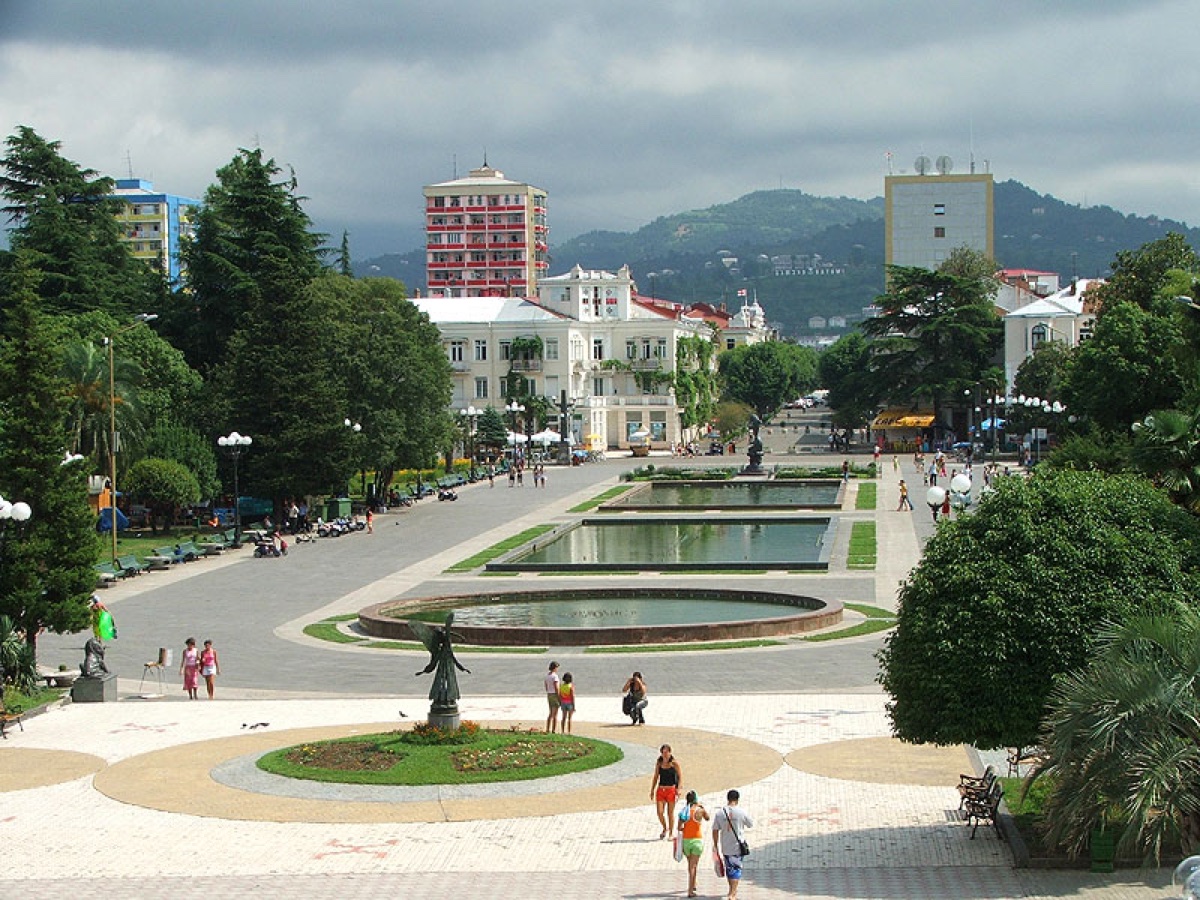
In Batumi, everything is tied to the coast and seasonality: rental prices spike sharply in summer, and real estate in Batumi has historically attracted investors looking to rent out resort housing, not just live in it themselves.
The same dollar-pricing convention applies here too, and the historic Old Town core commands a real premium over newer developments further from the sea, sometimes running close to $3,000 per square meter.
Outside these two cities, the market is noticeably quieter: prices are lower, but so is resale liquidity, and local infrastructure and demand depend heavily on the specific town or village rather than any nationwide trend. Kutaisi and Gori are growing on industrial investment, while coastal resort towns like Kobuleti and Ureki live almost entirely on seasonal rentals.
A Finished Apartment, Your Own House, or a Building Under Construction
A buyer in Georgia has three main scenarios, and each has its own process and its own risks.
The most predictable option is a finished apartment on the secondary market: a legally clean deal follows a well-established path from the deposit to registration in the Public Registry, and buying an apartment in Georgia takes a few weeks on average, from deposit to getting the keys.
The second option is your own house with a plot of land: the rules are almost as free for a foreign buyer, with the one exception for agricultural land. Buying a house and land in Georgia differs from an apartment deal mainly in the paperwork for the land itself and the construction permit, if the plot is meant for your own building project.
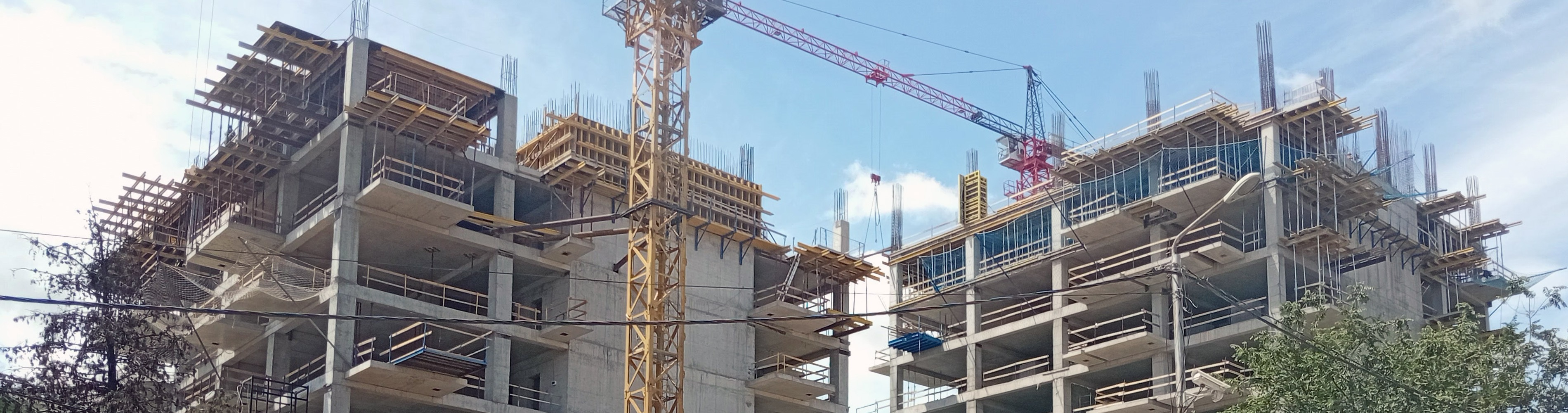
The third option is buying off-plan, usually 15-25% cheaper than finished housing, but with added risk: until the building is completed, the buyer is effectively financing the developer. The risks of buying off-plan in Georgia mostly come down to the developer's reliability and how closely the actual finishing matches what the contract promised.
Financing the Purchase
Most deals in Georgia close in cash or by bank transfer, but a mortgage is available to non-residents too, under certain conditions. Mortgages and real estate financing in Georgia usually require a down payment of at least 30-40% and a rate noticeably higher than for citizens with confirmed local income.
An installment plan directly from the developer during construction is often more convenient than a bank mortgage: no credit history check and no currency restrictions, but usually over a shorter term and without the right to dispose of the property until it is paid off in full.
Taxes on Buying and Owning
Taxes on buying and owning real estate in Georgia are spread across several distinct moments rather than bundled into one general "property tax": VAT on new-builds from a developer, an annual ownership tax, a tax on sale (which drops to zero entirely after two years of ownership), and a tax on rental income if the property is rented out.
It is worth understanding this structure before signing the preliminary agreement: some decisions, such as buying through a legal entity instead of as an individual, are better made with the tax consequences in mind upfront, rather than after the deal is closed and it is too late to change anything.
What to Decide Before You Start Searching
- City or region: Tbilisi for stability and year-round liquidity, Batumi for resort yield and seasonal demand.
- Type of property: a finished apartment for a fast deal, a house with land for your own construction, an off-plan unit for a lower price.
- Source of financing: cash, a mortgage, or an installment plan from the developer, each with its own requirements and timeline.
- The deal's tax status: buying as an individual or through a legal entity, registering as a landlord if the property will be rented out.
Once these four decisions are made, even roughly and as a first pass, it makes sense to move on to the details of the specific scenario: the city district, the type of property, or the financing method.
Frequently Asked Questions
Yes, with almost no restrictions: no residence permit, no special license, on the same terms as Georgian citizens. The one exception is agricultural land, which cannot be bought directly.
The two markets work differently rather than simply being more or less expensive: in Tbilisi, price is tied to the district and stable year-round; in Batumi, prices are seasonal and tied to proximity to the coast.
No, a residence permit is not required to buy residential property: the deal can be done by a foreigner with an ordinary passport and no resident status in Georgia.
18% VAT when buying a new-build from a developer, an annual ownership tax, a tax on sale (which drops to zero after two years of ownership), and a tax on rental income if the property is rented out.