Русский
 English
 ქართული
 Français
 Türkçe
 Հայերեն
 Қазақша
 Polski
 Azərbaycanca
 O'zbekcha
 中文
 Deutsch
 Español
 العربية
 فارسی
 हिन्दी
 עברית
 Life 5 min read
Expenses and Cost of Living in Georgia in 2026: Monthly Prices
 GustawsonEditorial Team · Bebgur
Prices in Georgia have risen noticeably over the past year: annual inflation stood at 5.6% in August 2026, and electricity went up by 5 tetri per kilowatt-hour in April alone. Even so, for a newcomer earning in dollars or euros, the country remains one of the most affordable in the region.
Real living expenses depend heavily on the season and the city: in winter, utilities alone can double, and moving from the capital to Kutaisi cuts spending by about a third.
Exchange Rate and Salaries: the Baseline
All prices in the country are in lari. The 2026 benchmark: 1 dollar is about 2.7 lari, 1 euro about 2.95 lari. The rate moves noticeably over the year, so a budget in foreign currency is best recalculated at least once a quarter.
According to Geostat, the average gross salary in Georgia in the second quarter of 2026 was 2,389 lari, or about 885 dollars. IT and finance pay almost twice as much: 4,400 and 4,074 lari respectively. These figures explain why local prices are set for a different income level than most people moving here have.
Expenses on Groceries: Supermarket and Bazaar
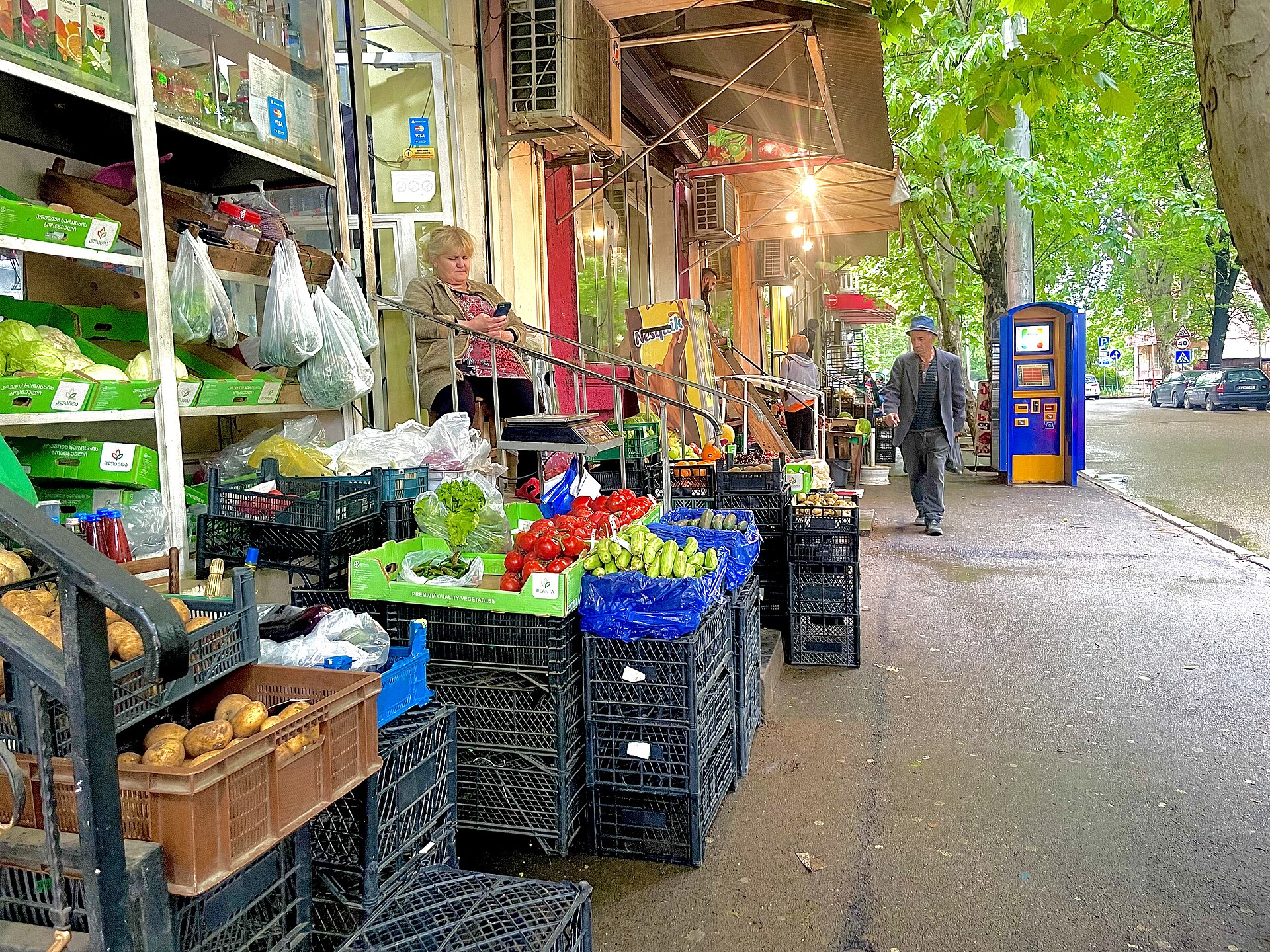
Everyday food is cheaper to buy local: Georgian vegetables, cheese, bread, and wine are inexpensive, while imported products cost two to three times more than their local equivalents. Average supermarket prices in Tbilisi as of September 2026:
- White bread, 500 g: about 2 lari
- Milk, 1 l: 4.5-6 lari
- Eggs, 10: 7-10 lari
- Chicken fillet, 1 kg: 16-20 lari
- Beef, 1 kg: 25-35 lari
- Local cheese (sulguni, Imeretian), 1 kg: about 24 lari
- Potatoes, 1 kg: about 2 lari
- Tomatoes, 1 kg: 4-6.5 lari
- Apples, 1 kg: about 4.3 lari
- Water, 1.5 l: about 2 lari
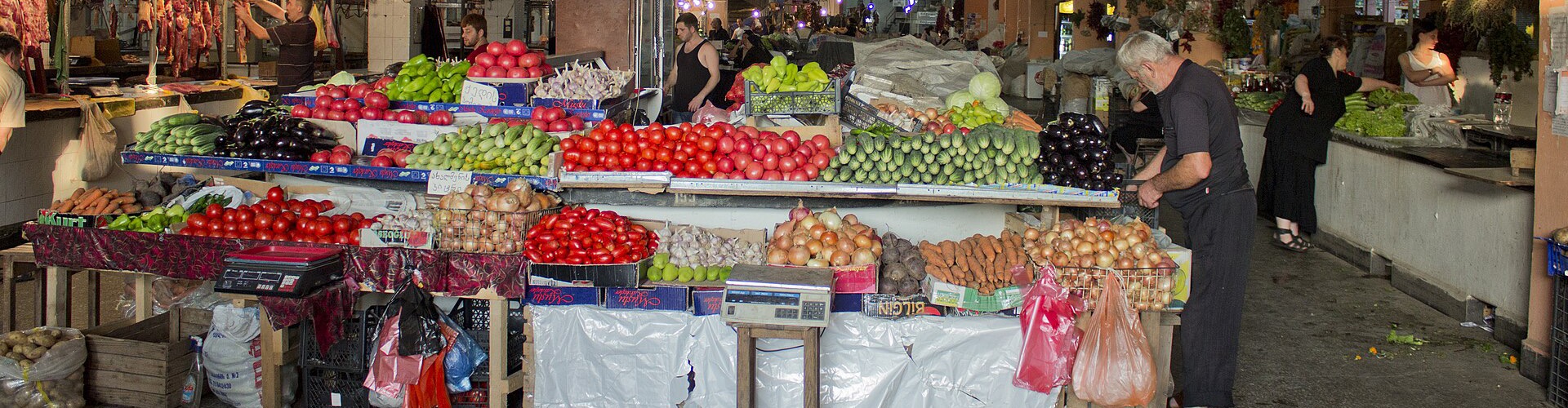
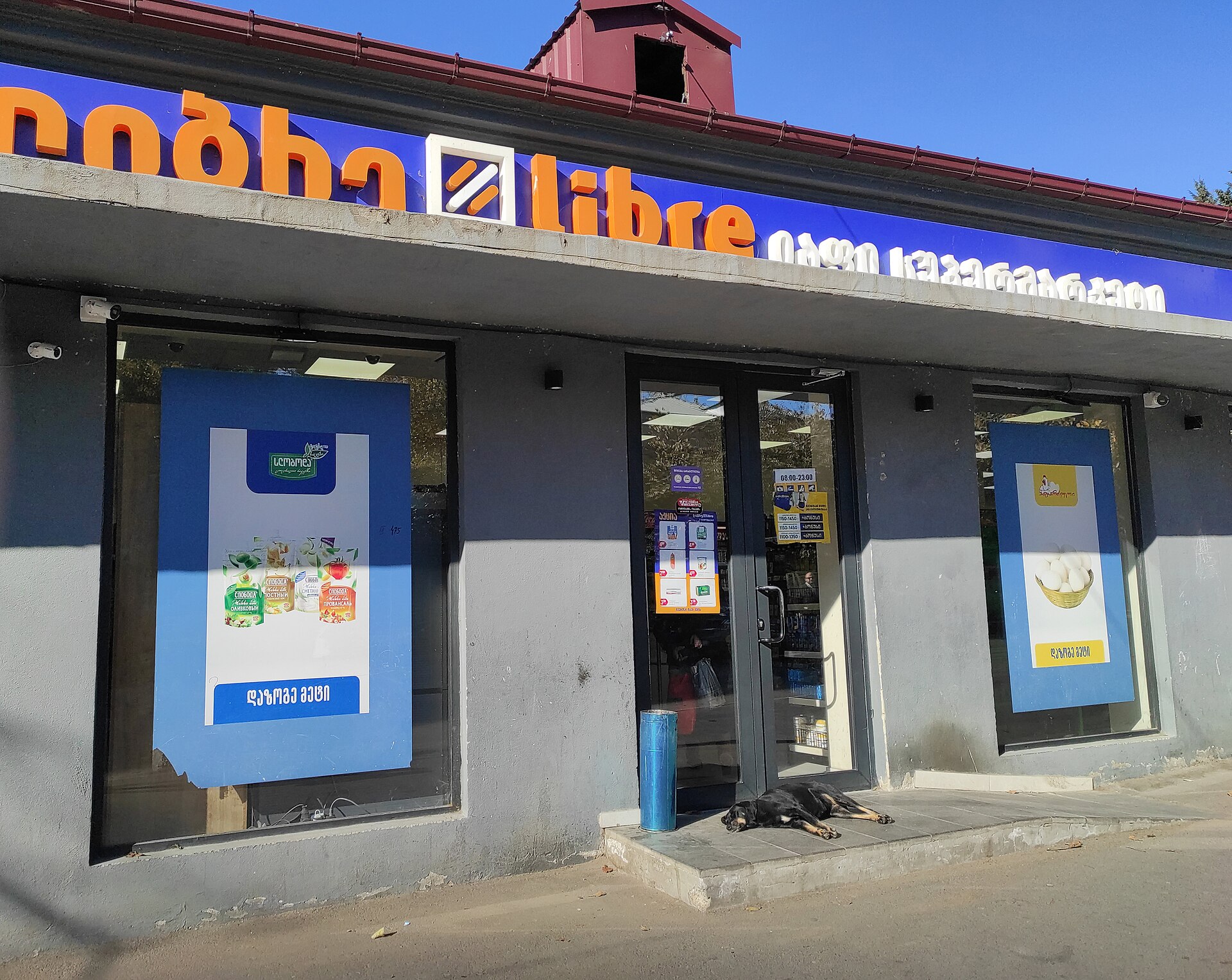
At bazaars such as Dezertirebi or Navtlughi, vegetables, fruit, herbs, cheese, and meat cost 30-40% less than in a supermarket, especially in season. Chain stores are more convenient for household goods, imported products, and late-evening shopping.
Cooking at home, groceries for one person come to roughly 200-300 dollars a month. The lower end is realistic when shopping at bazaars on a simple diet; the upper end comes from regularly buying imported cheese, coffee, and ready meals.
Expenses on Cafes and Restaurants
Eating out remains one of the most pleasant spending categories. A simple lunch at a khinkali house or canteen costs 20-30 lari, and Adjarian or Imeretian khachapuri runs 20-30 lari depending on the place and size.
- Dinner at an inexpensive restaurant: about 30 lari per person
- Dinner for two at a mid-range restaurant: about 100 lari
- Espresso at an ordinary cafe: about 5 lari
- Cappuccino: about 9 lari, at specialty coffee shops 12-18 lari
- Beer, 0.5 l at a bar: about 7 lari
- A bottle of good Georgian wine in a shop: from 20 lari
Food delivery in Georgia through Wolt or Glovo adds a delivery fee and a service charge to the menu price, so an order of a main course with a side usually comes to 8-15 dollars.
Expenses on Utilities in Summer and Winter
Utility bills in Georgia depend heavily on the season. Since April 1, 2026, electricity tariffs in Tbilisi have gone up by 5 tetri at every tier and now depend on monthly consumption:
- Up to 101 kWh: 20.04 tetri per kWh
- From 101 to 301 kWh: 24.05 tetri
- Above 301 kWh: 28.54 tetri
Household gas costs about 54 tetri per cubic meter, and the regulator has approved this tariff through the end of 2027. Water for an apartment without a meter is billed at a flat rate of 4.517 lari a month per registered resident, and garbage collection adds another 2.5 lari per resident.
In summer, bills for a one- or two-bedroom apartment usually stay within 60-100 lari a month. In winter with gas heating they rise to 120-235 lari, and if the apartment is heated by electricity alone, to 160-320 lari: under the tiered tariff, every additional kilowatt-hour costs more than the last.
That is why, before signing a lease, it is important to find out how the apartment is heated: a central gas boiler with radiators, separate gas heaters, or air conditioners only. This, along with the windows and the building's insulation, largely determines how much renting an apartment in Georgia will cost in the cold months.
Unlimited home internet costs 33-80 lari a month, and mobile service in Georgia with unlimited data 15-20 dollars (39-55 lari). The easiest way to pay all bills is through the Bank of Georgia and TBC apps or in cash at payment terminals.
Expenses on Transport
Public transport in Tbilisi is very cheap. A ride with a Metromoney card costs 1 lari and gives 90 minutes of transfers between the metro, buses, and minibuses, and a monthly pass costs about 40 lari.
- Taxi across town via Bolt: 8-15 lari for a ride across the center
- Taxi from Tbilisi airport to the center: 30-40 lari
- Gasoline, 1 l: 3.9-4.5 lari
- Intercity minibus: 20-35 lari
The one rule for taxis: book the car only through an app that shows the price up front. Street drivers at the airport quote newcomers many times the real fare, and this is where people most often overpay during the first week in Georgia.
Expenses on Healthcare, Sports, and Children
A visit to a doctor in Georgia costs 50-70 lari at a chain clinic and 100-200 lari at a clinic for foreigners, and health insurance in Georgia for a foreigner usually runs 40-100 lari a month depending on the plan. With insurance, most doctor visits are covered by the policy.
Dentistry is mostly outside the policy: a filling at a dentist in Georgia costs 50-400 lari out of pocket.
A membership at a chain fitness club costs 100-170 lari a month, and a cinema ticket about 17 lari. For a family with children, the most noticeable expense is a private kindergarten: about 960 lari a month on average, while a municipal one is free. So the choice of what education in Georgia will look like for a child changes the family budget more than almost any other decision.
Expenses in Tbilisi, Batumi, and Kutaisi: Where It Is Cheaper
The most expensive city in the country is Tbilisi, mainly because of rent. Batumi is on average 10-15% cheaper, mostly on housing and eating out.
Kutaisi, the country's third city, is overall 25-35% cheaper than the capital, and renting an apartment in the center costs about half as much. Groceries cost almost the same across the country, so the difference between cities comes mainly from housing.
When choosing between Tbilisi and Batumi, seasonality also affects total expenses: resort Batumi empties out and gets cheaper in winter, while in summer rents there climb along with the flow of tourists.
Expenses per Month: What It Adds Up To
Adding everything up, one person in Tbilisi with an average lifestyle needs 900-1,400 dollars a month, of which housing usually takes 40-50%. The breakdown by scenario, the one-time costs of moving in, and the size of a financial cushion are easier to calculate separately: together they make up the whole budget for moving to Georgia.
Expenses: How to Spend Less
Housing cuts expenses the most: an apartment rented directly from the owner without an agent's fee, in a district a little farther from the center, reduces the biggest spending category more than any savings on groceries.
On food, the easiest savings come from bazaars and seasonal local produce in place of imported goods. Winter bills drop sharply in an apartment in a newer building with good windows and gas heating instead of electric heaters, so check this point already at the apartment-hunting stage.

Frequently Asked Questions
One person in Tbilisi with an average lifestyle needs about 900-1,400 dollars a month, of which 40-50% goes on housing. In Batumi expenses are on average 10-15% lower, in Kutaisi 25-35% lower.
In summer, a one- or two-bedroom apartment usually comes to 60-100 lari a month. In winter with gas heating, utility expenses rise to 120-235 lari, and with electric heating to 160-320 lari.
Bread costs about 2 lari, a liter of milk 4.5-6 lari, and a kilogram of chicken fillet 16-20 lari. Cooking at home, groceries for one person come to 200-300 dollars a month, and bazaars sell many items 30-40% cheaper than supermarkets.
Kutaisi is the cheapest: overall it is 25-35% cheaper than the capital, with rent in the center about half as much. Batumi is 10-15% cheaper than Tbilisi, but rents there rise noticeably in summer.