Русский
 English
 ქართული
 Français
 Türkçe
 Հայերեն
 Қазақша
 Polski
 Azərbaycanca
 O'zbekcha
 中文
 Deutsch
 Español
 العربية
 فارسی
 हिन्दी
 עברית
 Relocation 4 min read
Tbilisi or Batumi: Which City to Choose for Moving to Georgia
 GustawsonEditorial Team · Bebgur
Tbilisi and Batumi are the two most obvious options for moving to Georgia, and they work in completely different ways: one runs at its usual pace all year round, the other swells in summer and nearly shuts down in winter. Here is how they actually differ.
Scale and Character
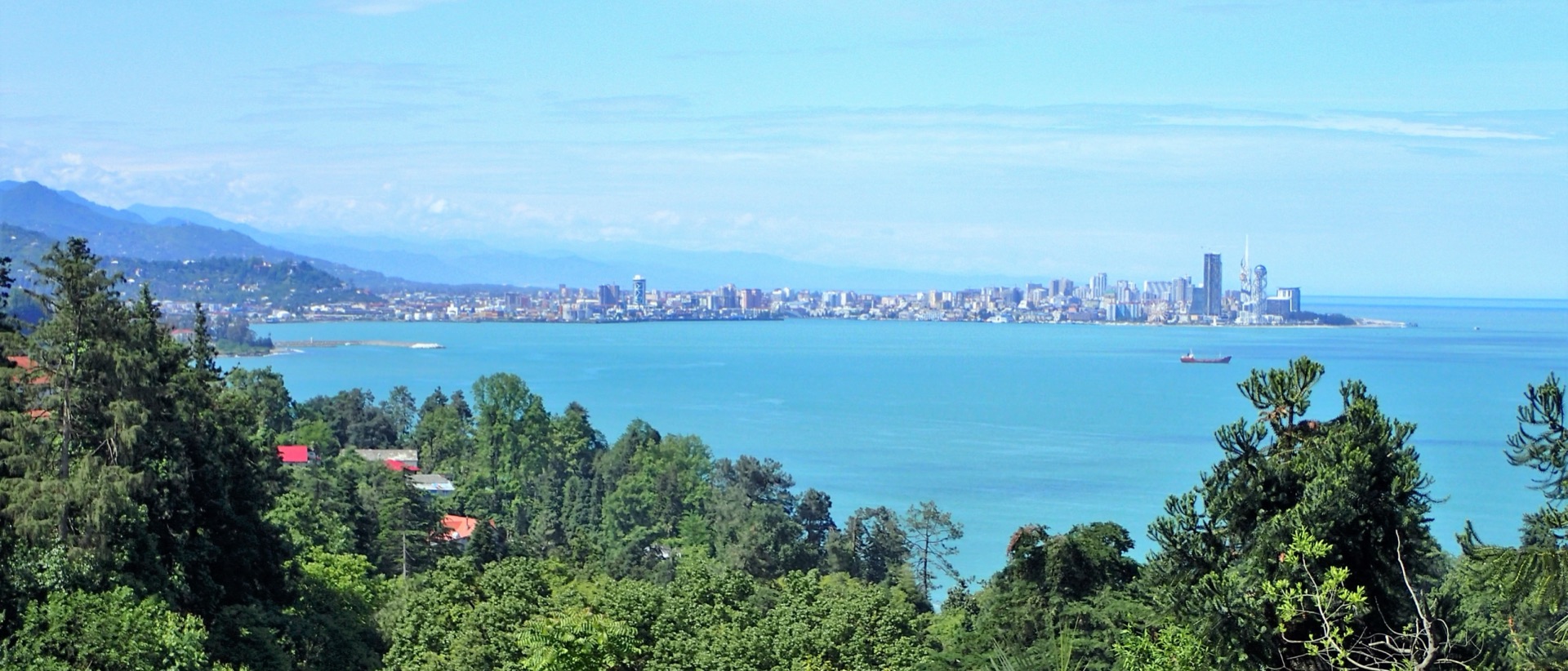
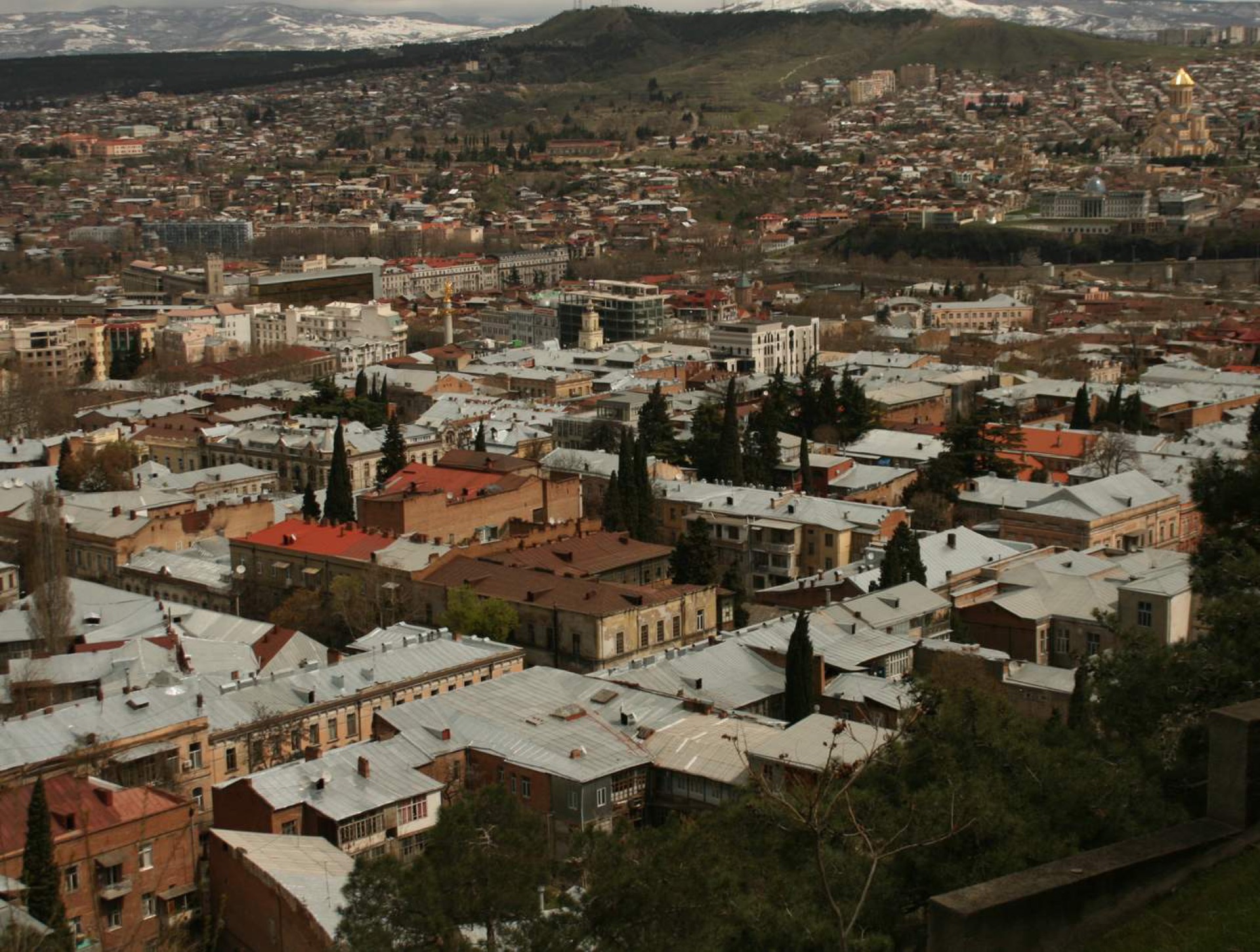
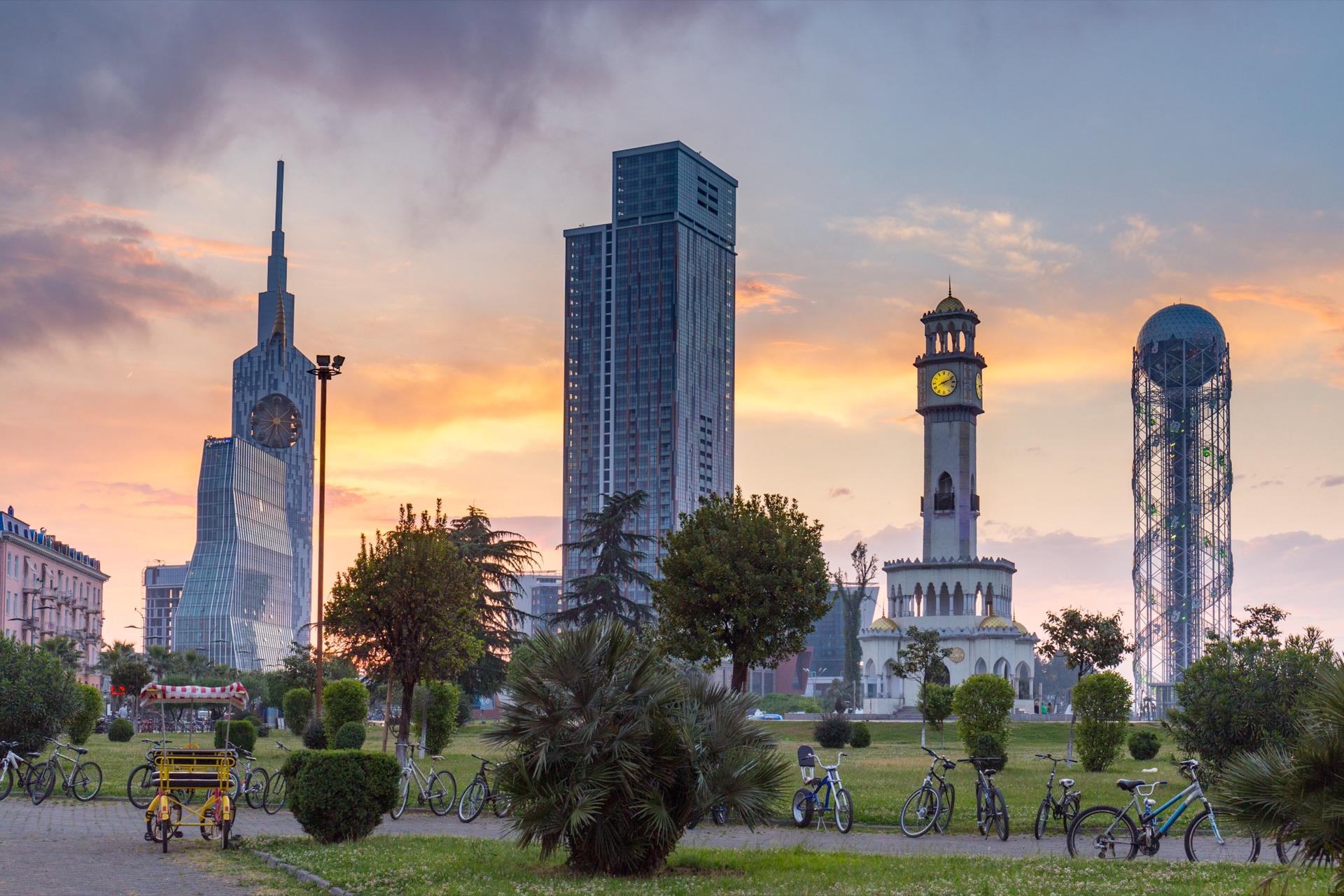
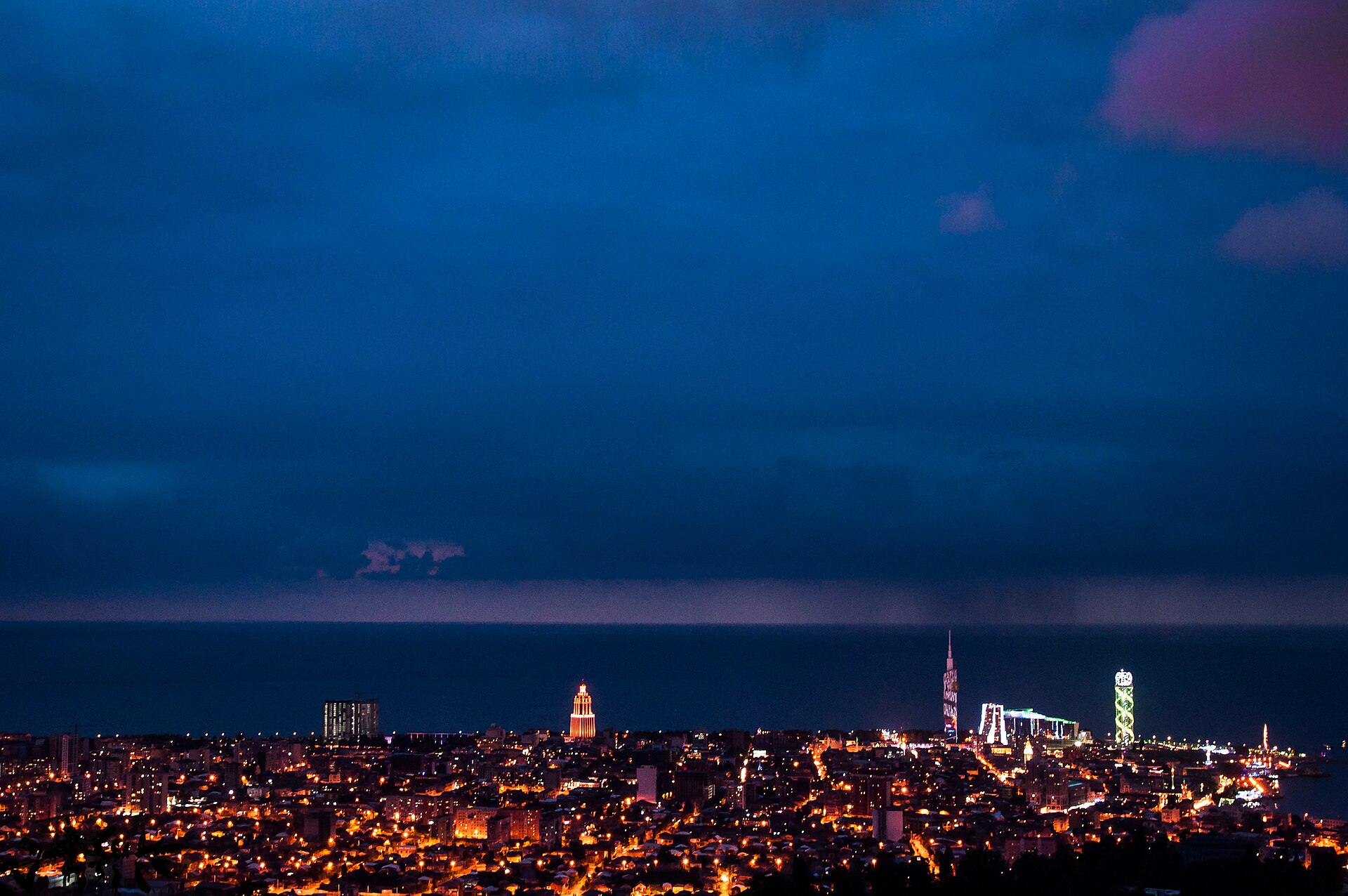
Tbilisi is the capital and business center of the country, with a population of around 1.2 million in the greater metro area: the government, embassies, and most international companies and bank headquarters are based here. Batumi is a Black Sea resort city with a permanent population of 121,806, which effectively doubles in summer with tourists.
Tbilisi lives like an ordinary big city year-round, while Batumi swings between a busy resort season and a quiet off-season.
Cost of Living
Batumi is on average 10-15% cheaper than Tbilisi, mainly on rent and eating out; the gap on groceries and utilities is much smaller. The overall range for one person tracks the same figures as the wider Georgia relocation budget: Tbilisi runs 900-1,400 dollars a month, Batumi runs 800-1,400 dollars, depending on the district and season.
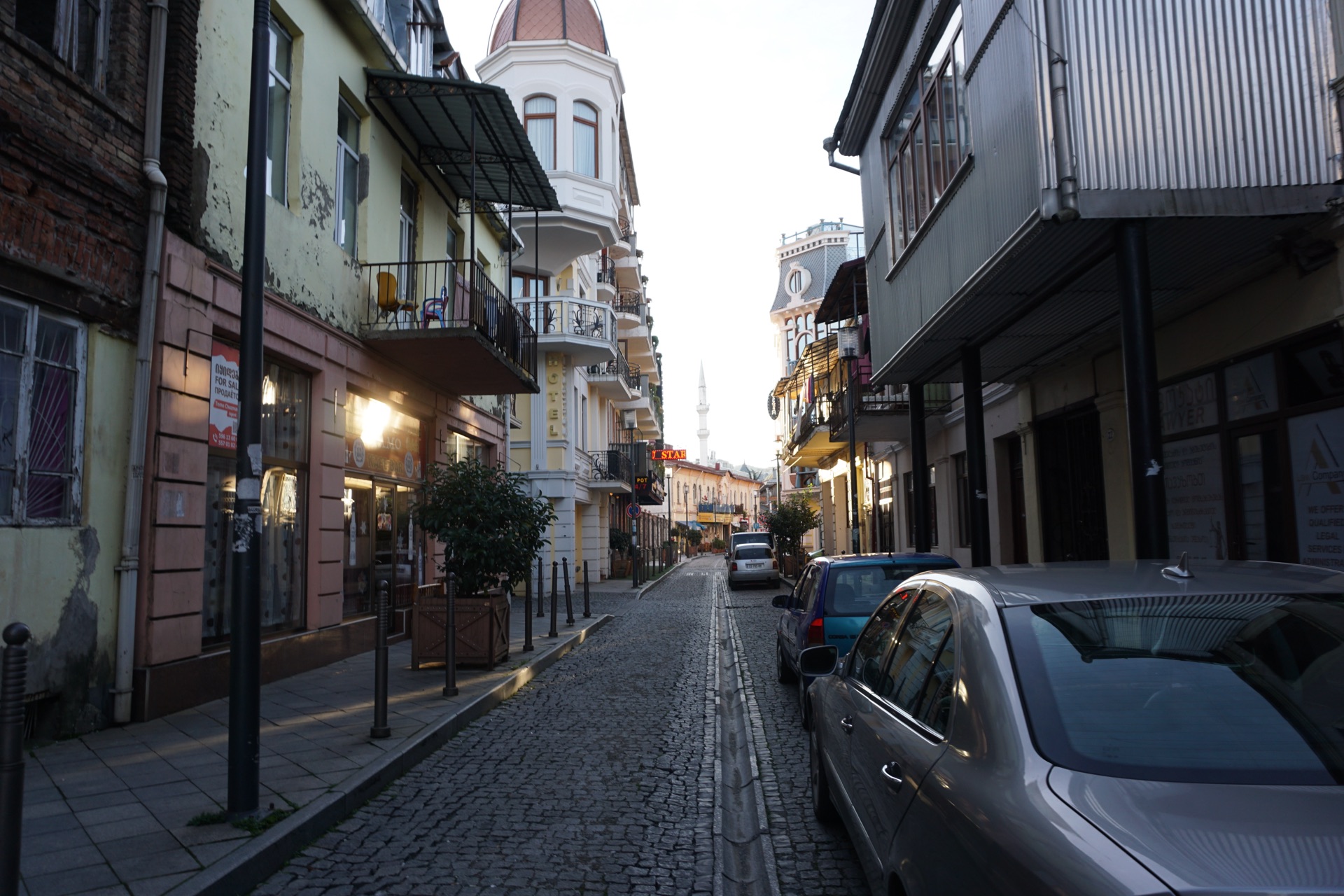
In Tbilisi, the most expensive rent is in Vake and Saburtalo, the cheapest in Gldani and Didube. In Batumi the spread is even wider: a sea-view apartment on the New Boulevard can cost three times more than a similar one a couple of blocks back or in the Old Town.
Climate
Tbilisi has a continental climate: summer air heats up to 35°C and above, and winter brings snow and freezing temperatures. In Batumi the sea breeze keeps summer heat milder, usually up to 29°C, but winters are damp and rainy: Adjara is the rainiest region on the Caucasus coast, and Batumi's skies stay overcast for months.
The constant humidity also means mold shows up more often in older Batumi buildings, so it is worth checking the walls and ventilation before renting for the winter.
Batumi's Seasonality: The Key Difference
Batumi is a resort city, and that seasonality shapes almost everything else about it. Peak season is July and August, when the seafront is packed and prices for housing and restaurants rise noticeably. From November through March the picture flips: half the restaurants close for the winter, the seafront empties out, and in the off-season a cafe can have you as its only customer.
For remote workers looking for a like-minded crowd, that means summer in Batumi brings plenty of digital nomads and events, while winter turns it into a quiet coastal town with little social life. Many apartments that are rented out in season simply sit empty in winter, which often makes it possible to negotiate a real discount on a long-term lease outside the peak months.
Work, Community, and Infrastructure
Tbilisi has a stronger community of remote workers and entrepreneurs, more coworking spaces, international schools, and private clinics. Most international schools are based in the capital, so for families with children the choice of city also largely decides how education in Georgia will work for the child.
Batumi's digital nomad community is growing too, but stays noticeably smaller and closely tied to the season: some coworking spaces and events run in summer and scale back or close for the winter.
Getting Around and Getting Between the Cities
Public transport in Tbilisi means a two-line metro plus a network of buses and minibuses, making getting around predictable in any season. Batumi has no metro: minibuses and taxis are the main transport, though the city is compact enough that much of it is walkable in 20-30 minutes.
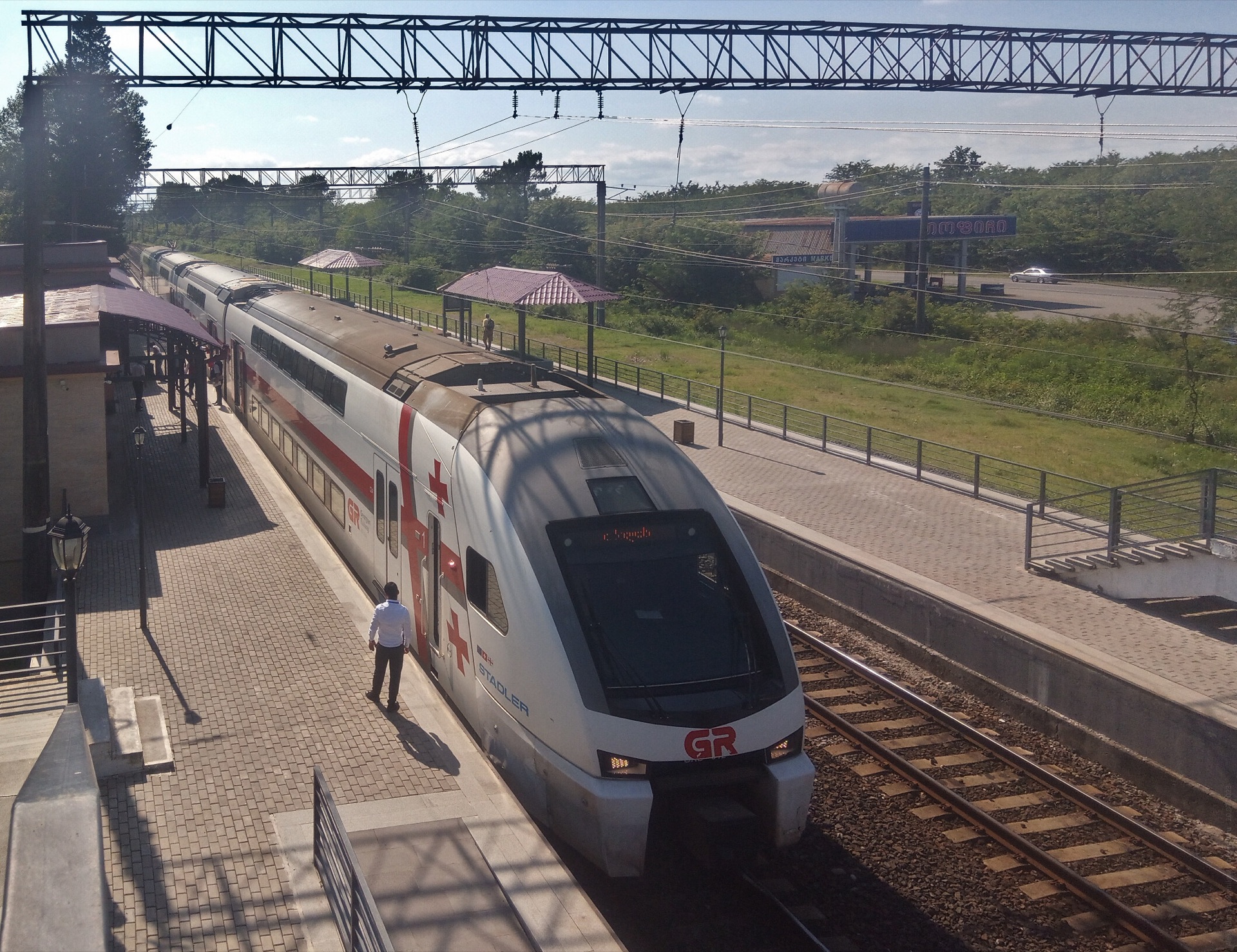
The two cities are 263 km apart, the train takes about 4 hours since a new tunnel opened in 2026, buses and minibuses run more often and cheaper, and a flight takes about 45 minutes.
Tbilisi's international airport connects to far more countries and airlines, while Batumi's airport mostly serves flights to CIS countries, Turkey, Israel and Saudi Arabia, plus newer routes like Jordan, worth keeping in mind if you fly home often or host guests from Europe.
Healthcare and Emergencies
Tbilisi is home to the country's largest private hospital networks and most specialists, and seeing a doctor in Georgia is easiest in the capital: complicated cases from the regions, Batumi included, are often referred straight to the capital. Batumi has a modern regional hospital and general-practice private clinics, but for major surgery or rare specialties, the trip to Tbilisi (about 4 hours by train or a 45-minute flight) remains standard practice.
What to Choose Based on Your Priorities
Tbilisi suits those who need stable office-based work, a wide choice of schools for kids, a broad pool of doctors and specialists, and direct flights to many countries year-round. Batumi suits those who can work fully remote, value the sea and a lower cost of living, and are fine with the city going quiet and sparse in winter.
Some relocators split the difference: renting in Tbilisi for the winter and moving to Batumi for the summer months, taking advantage of the fact that the two cities are about 4 hours apart by train.
Frequently Asked Questions
Batumi is cheaper on average by 10-15%, mostly on rent and eating out. Groceries and utilities cost about the same in both cities.
Yes, partly. From November through March, some restaurants and cafes close, the seafront empties out, and the number of tourists and digital nomads drops sharply compared to the July-August peak.
Tbilisi has a stronger community of remote workers and entrepreneurs, with more coworking spaces and in-person events year-round. Batumi has a similar scene in summer, but it thins out noticeably in winter.
Yes, that is a common setup: renting in Tbilisi for the winter and moving to Batumi for the summer months, especially since the train between the two cities takes only about 4 hours.