Русский
 English
 ქართული
 Français
 Türkçe
 Հայերեն
 Қазақша
 Polski
 Azərbaycanca
 O'zbekcha
 中文
 Deutsch
 Español
 العربية
 فارسی
 हिन्दी
 עברית
 Relocation 4 min read
Moving to Georgia with Pets: Import, Documents, Life With an Animal
 GustawsonEditorial Team · Bebgur
Bringing a dog or cat into Georgia is easier than into many other countries: there is no quarantine and no rabies antibody titer test, which EU countries require for animals from at-risk areas. Still, it pays to prepare ahead of time, and once you land, a few local questions come with the territory, from housing to street dogs.
Documents for Import
A rabies vaccination is mandatory, given no earlier than 11 months and no later than 21 days before entering Georgia. Dogs also need vaccines against distemper, hepatitis, leptospirosis, parvovirus, and parainfluenza; cats need vaccines against rhinotracheitis, panleukopenia, and feline leukemia.
The pet needs a microchip, and at the airport or border officers check an international veterinary health certificate that covers all of this.
The certificate is usually valid for a limited window from the date it's issued, so get it close to your travel date rather than a month ahead. No separate import permit is required for a personal pet (dog, cat, ferret), and unlike many countries, Georgia does not ask for a rabies antibody titer test, which usually takes 2-4 weeks for lab results to come back.
Flying With a Pet
Most airlines flying to Georgia follow similar rules:
- Cabin travel is allowed only for animals up to 8 kg including the carrier, and only in economy class
- Georgian Airways charges 190 euros for cabin travel
- Animals heavier than 8 kg (up to 45 kg with the carrier) fly in the hold on Georgian Airways for an extra fee
- Turkish Airlines, one of the most common carriers into Tbilisi, has the same cabin limit: 8 kg, plus carrier size restrictions
Budget the cost of flying with a pet as its own line item on top of the usual expenses that make up the budget for moving to Georgia.
Vets in Tbilisi and What They Charge
The largest concentration of modern vet clinics and grooming salons is in Vake and Saburtalo, where you'll also find a large 24-hour veterinary hospital with a pet hotel attached. A rough price guide:
- Initial consultation: 20-40 lari
- Vaccination: 30-60 lari
- Emergency care: 100-300 lari
- Surgery: 200-800 lari
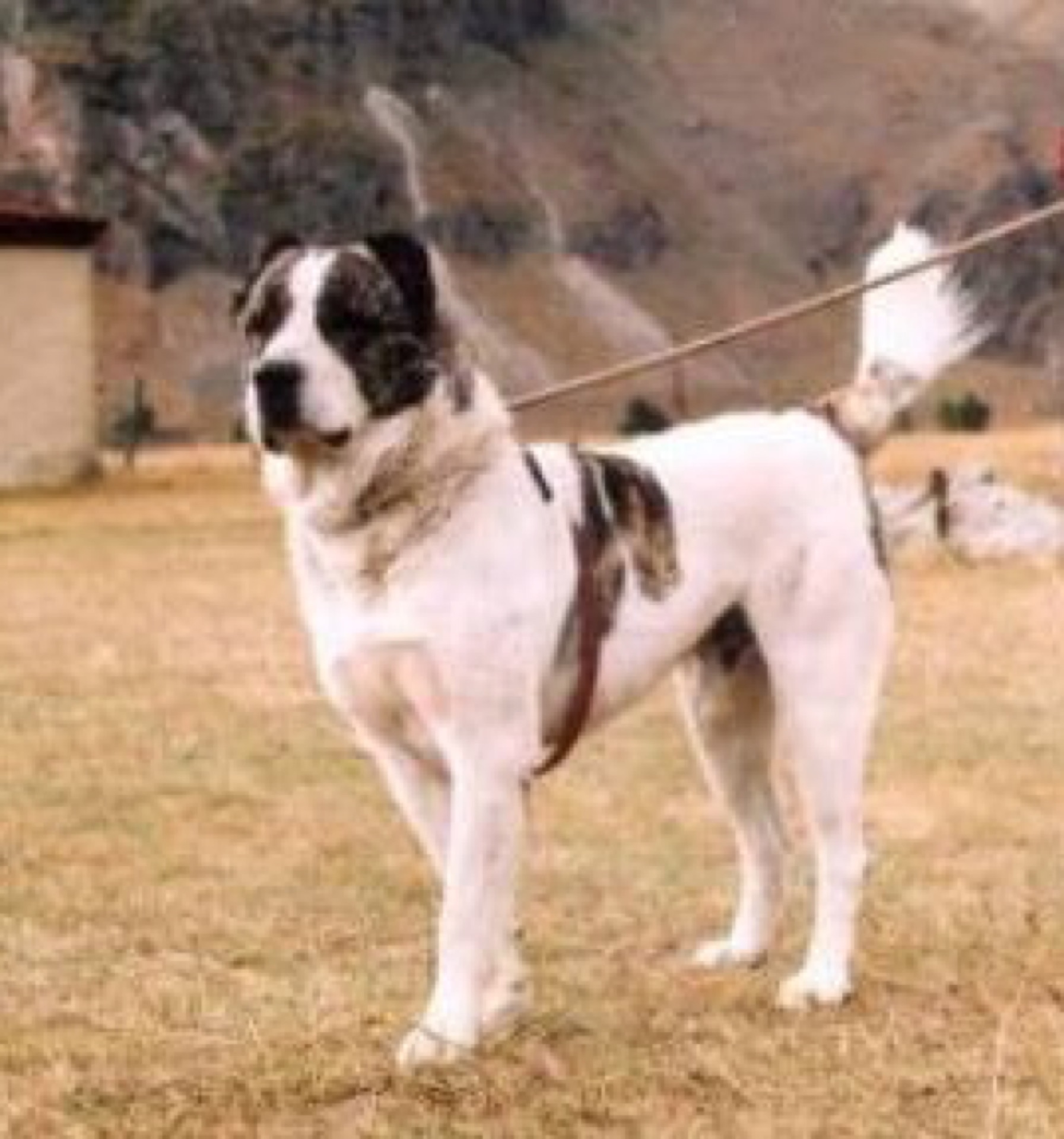
Overall, Tbilisi's veterinary infrastructure is solid, with English-speaking vets available, which matters if you haven't picked up Georgian or Russian yet. By the way, if you decide to get a dog locally instead of bringing one, Georgia has its own native breed: the Nagazi, a large Caucasian shepherd traditionally kept as a herding and guard dog.
Pet Stores and Food
Food and basic pet supplies are not a problem: supermarkets like Carrefour and Goodwill carry dry and wet food from popular brands, while pet store chains (Zoo Land, Vet House Shop, and others) cover more specific needs like prescription diets, litter, and gear.
Imported premium food costs more than in Europe, but it's genuinely available in Tbilisi, so there's no need to pack months' worth in your luggage.
Housing With a Pet
Apartments where landlords immediately allow pets are not common in Tbilisi, but the situation isn't as rigid as it might sound: many owners come around once they meet the future tenant and their pet in person.
It's easier to search in Saburtalo or Didube, which have more new buildings and green courtyards; the same districts are convenient for the other tasks that come up during the first month in Georgia.
Budget time for viewing several places rather than counting on the first one you like, and mention the pet upfront in your messages to the landlord rather than at the in-person viewing, since some owners will simply decline once they see the animal at the door.
Street Dogs: A Yellow Tag Means Vaccinated
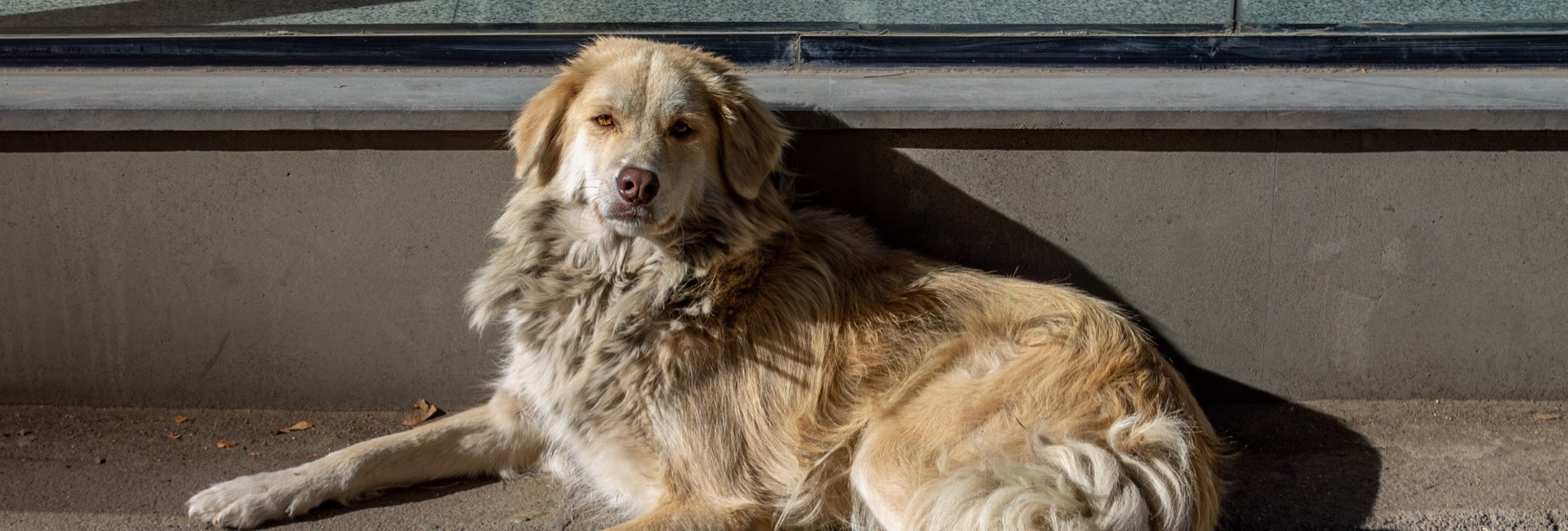
By the official 2025 count, Tbilisi is home to about 30,000 stray dogs, and nearly all of them are non-aggressive and used to people. The city, together with charities like Mayhew Georgia, catches, vaccinates, neuters, and releases dogs back onto the street under a TVNR program: afterward, a yellow plastic tag with a number gets clipped to the dog's ear.
A tagged dog is a vaccinated, neutered animal, recognizable from a distance. Still, keep your own pet on a leash around sleeping street dogs, and check for scratches after a park visit.
Where to Walk a Dog
Rike Park on the Kura embankment and Vake Park are some of the most convenient spots for walking a pet: wide paths, plenty of greenery, and enough space to give other dogs a wide berth. Most parks in Tbilisi don't have fenced off-leash areas, so even a calm dog is better kept on a leash in crowded spots.
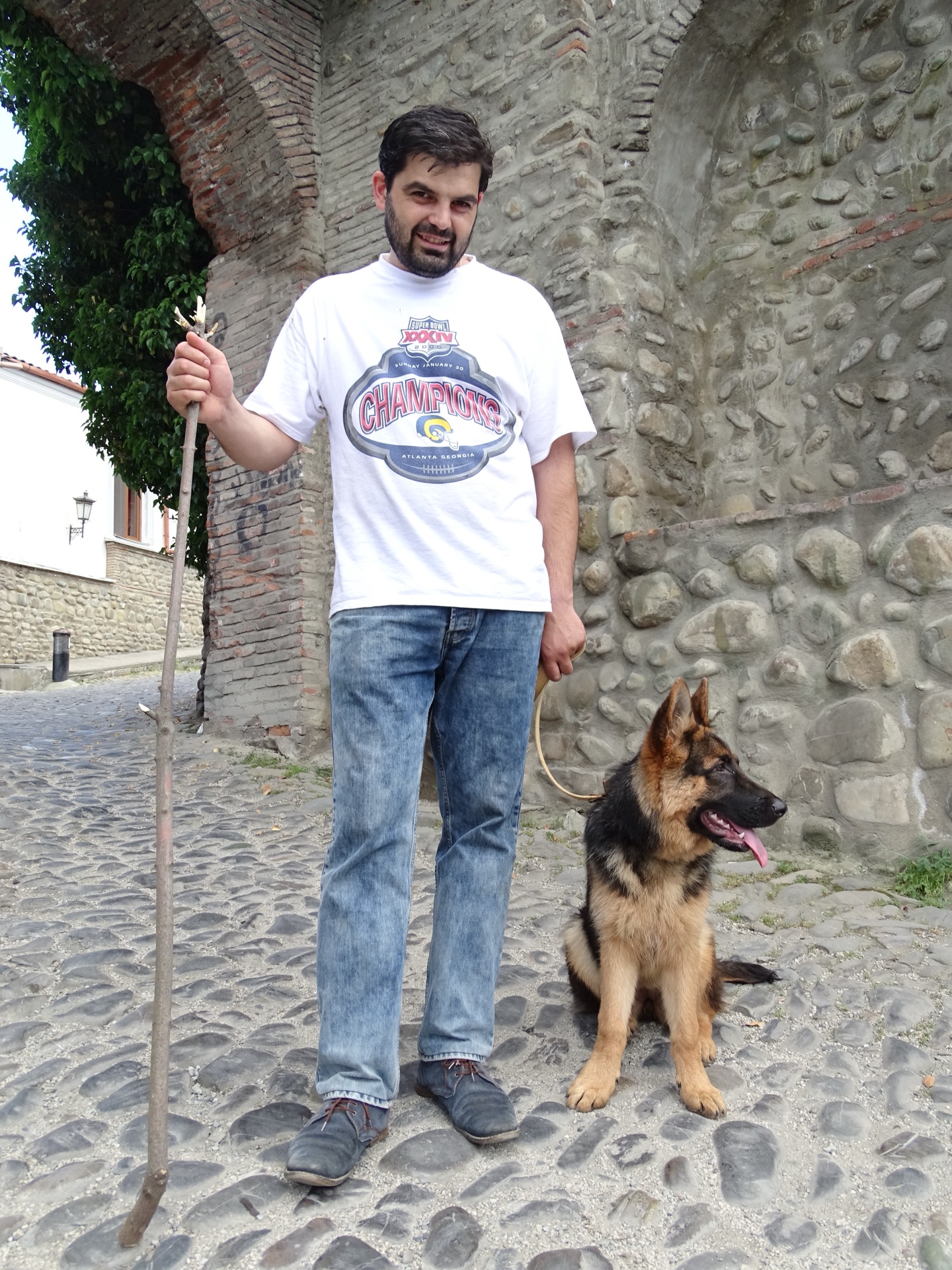
One practical note for anyone who decides to adopt one of Tbilisi's street dogs: if you later need to take it to another country, you'll need the same set of documents as on entry: a rabies vaccination, a microchip, and a veterinary certificate arranged in advance at a local clinic.
Many volunteer organizations in Tbilisi already have experience preparing exactly these documents and can point you to the right vet.

Frequently Asked Questions
No, no separate permit is required to bring a dog, cat, or ferret. A rabies vaccination, a microchip, and an international veterinary certificate are enough.
No, unlike some other countries, Georgia does not require a rabies antibody titer test when entering with an animal.
A yellow tag means the dog was caught, vaccinated against rabies, neutered, and released back onto the street under the municipal TVNR program.
Not instantly, but it's doable: suitable apartments are limited, though many landlords agree to a tenant with a pet after meeting them in person.