Русский
 English
 ქართული
 Français
 Türkçe
 Հայերեն
 Қазақша
 Polski
 Azərbaycanca
 O'zbekcha
 中文
 Deutsch
 Español
 العربية
 فارسی
 हिन्दी
 עברית
 Healthcare 6 min read
How to See a Doctor in Georgia: Clinics, Visit Prices, Booking
 GustawsonEditorial Team · Bebgur
Seeing a doctor in Georgia is quick and needs no referral: you book the specialist you need directly, a visit at a private clinic starts at 50 lari, and nobody waits weeks in a queue. The difficulty lies elsewhere: healthcare here is almost entirely private and paid, the state program covers practically nothing for foreigners, and the choice of clinic depends on what exactly has happened.
Below is a practical map: where to go with a cold, where to take a child, where to head with a serious injury, what it costs, and how to book if you do not speak Georgian yet.
If You Need Help Right Now
The single emergency number is 112: operators officially take calls in Georgian, English, Russian, Armenian, Azerbaijani and Turkish; if the first one does not speak English, ask to be transferred, and keep your address written in Georgian just in case. Calling an ambulance is free for everyone, regardless of citizenship or insurance. In central Tbilisi the ambulance usually arrives in 10-20 minutes, longer in traffic.
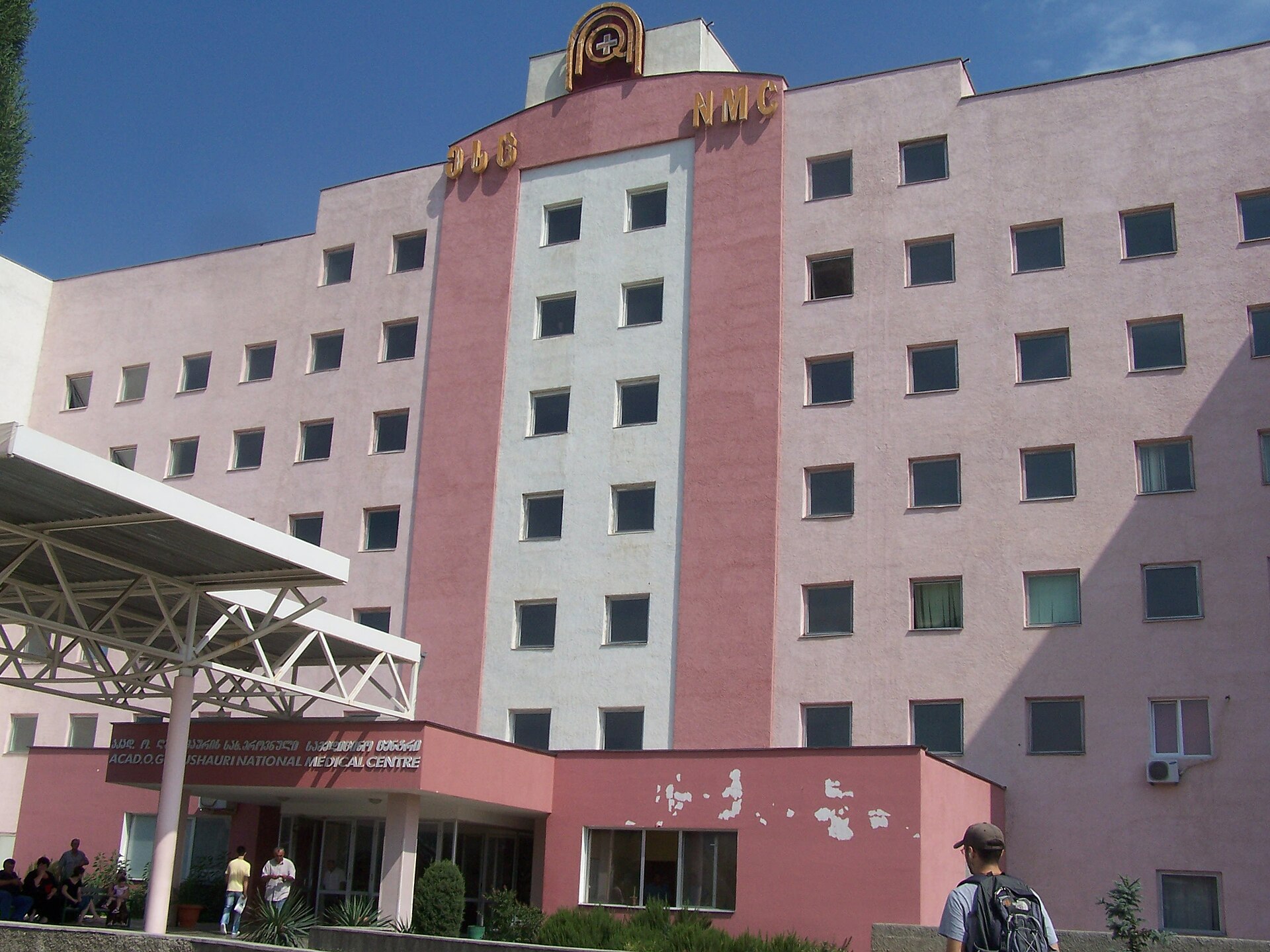
Only the ambulance itself is free: further treatment at the hospital is paid for after the fact. In the emergency department you are treated first and billed afterwards, and a visit without admission usually costs 80-200 lari. Round-the-clock emergency departments with English-speaking staff operate at New Hospitals (12 Krtsanisi St.), Caucasus Medical Centre (23 Kavtaradze St.), and American Medical Centers (11 Arakishvili St.).
How Healthcare Works
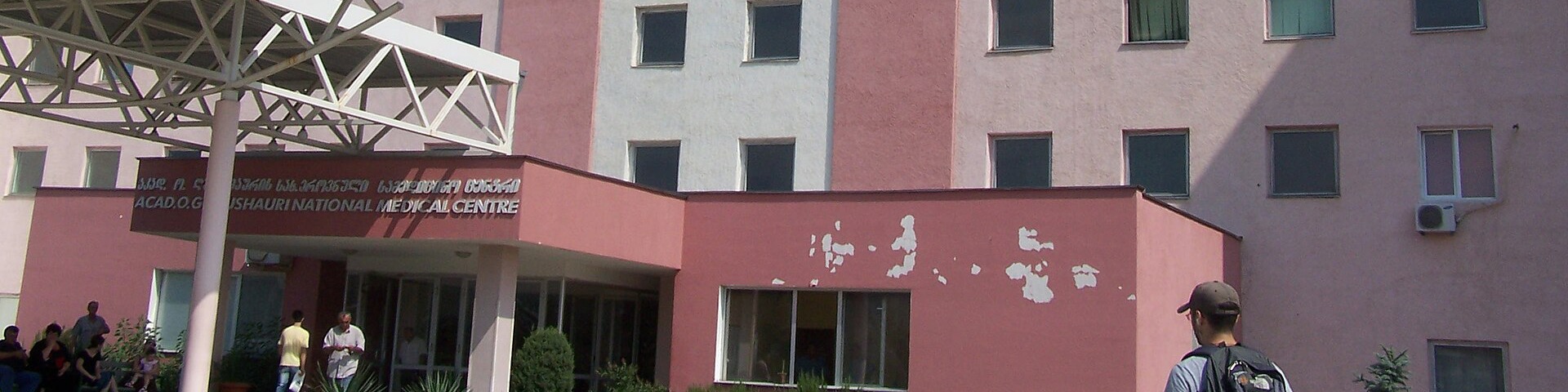
After the reforms of the 2000s, almost all hospitals and clinics in Georgia are private, and treatment is paid for either by the patient or by their insurance. The state universal healthcare program covers citizens, and residence permit holders can register in it, but real free services go only to socially vulnerable groups. For most people moving here this means: you pay yourself or through a policy.
Dental care is paid even for citizens: a filling at dental clinics in Georgia costs 50-400 lari, and implant placement starts at 1,000 lari.
On the other hand, there are none of the barriers typical of state systems. No family doctor or referral is needed: you book a cardiologist, dermatologist, gynecologist, or psychiatrist in Georgia directly, often for the next day or the same day. A doctor running 15-30 minutes late from the booked time is considered normal.
What a Visit Costs
Prices in Tbilisi depend on the level of the clinic: a district polyclinic of a large chain is cheaper, while clinics for foreigners with English-speaking doctors are noticeably more expensive. Benchmarks for 2026 based on expat guides and clinic price lists:
| Service | Chain clinic | Clinic for foreigners |
|---|---|---|
| General practitioner | 50-70 lari | 100-200 lari |
| Specialist | 60-100 lari | 150-250 lari |
| Pediatrician | 60-100 lari | 130-150 lari |
| Psychiatrist, psychotherapist | 100-150 lari | 250-300 lari |
| Doctor's home visit | from 100 lari | 250-350 lari |
| ECG | 30-55 lari | from 55 lari |
| Ultrasound | 70-170 lari | from 100 lari |
An MRI costs about 270-680 lari depending on the area scanned and the clinic. You can pay by card, and clinics for foreigners issue an itemized invoice for international insurers. Prices in Batumi and Kutaisi are 10-30% lower than in the capital.
Lab Tests
Tests are done not at the clinic but at chain laboratories, and no doctor's referral is needed. The largest chain, Synevo, runs 67 locations across the country, and the second largest is Megalab. Synevo prices as of September 2026:
- Complete blood count with ESR: 19.80 lari (on promotion, usually 22)
- Glucose: 13.50 lari
- APTT (clotting): 18 lari
- Blood biochemistry profile: 193 lari (on promotion, usually 308)
Results arrive by email or in the app, usually the same or the next day. Synevo also sends a nurse to your home to draw blood.
Where to Go: Tbilisi Clinics
For an ordinary visit to a GP, pediatrician, or specialist, a district polyclinic of the Evex network, the largest in the country, is enough: about 35 facilities across Georgia and a polyclinic in every district of Tbilisi, including Mtatsminda (3 Vekua St.), Saburtalo (40 Vazha-Pshavela Ave.), Isani (69 Ketevan Tsamebuli Ave.), and Varketili (30 Javakheti St.).
The single Evex number is 032 255 05 05, and bookings go through the Ekimo app. There you can also pick a doctor by specialty and language and see the nearest free slot.
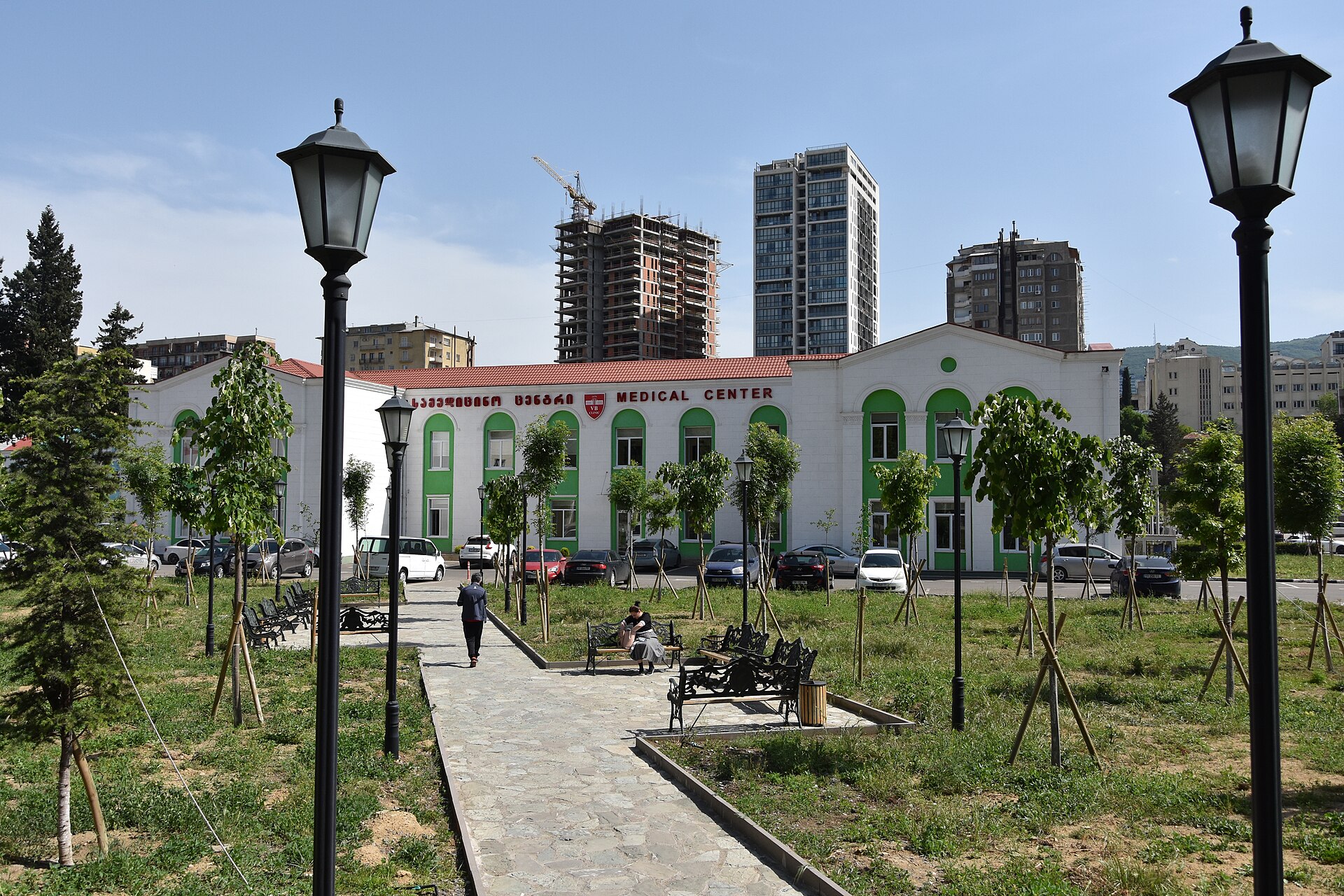
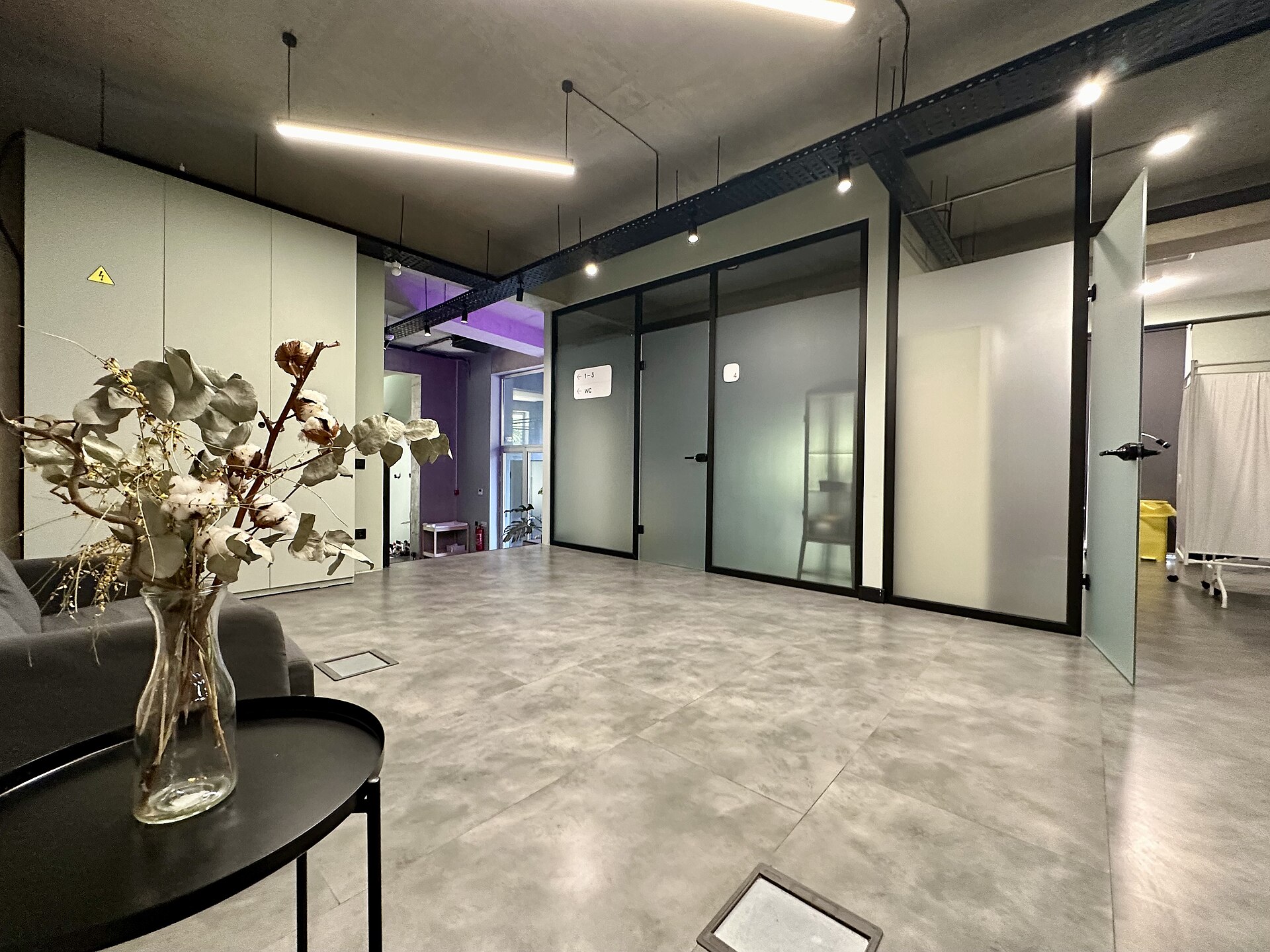
Clinics oriented toward foreigners (AMC, A Clinic, Chaika) cost more than the chains, but all their staff speak English and they bill international insurers directly.
The table lists the large multi-profile hospitals where people go for serious diagnostics, surgery, and inpatient care, along with the clinics for foreigners.
| Clinic | Address | Profile | Phone |
|---|---|---|---|
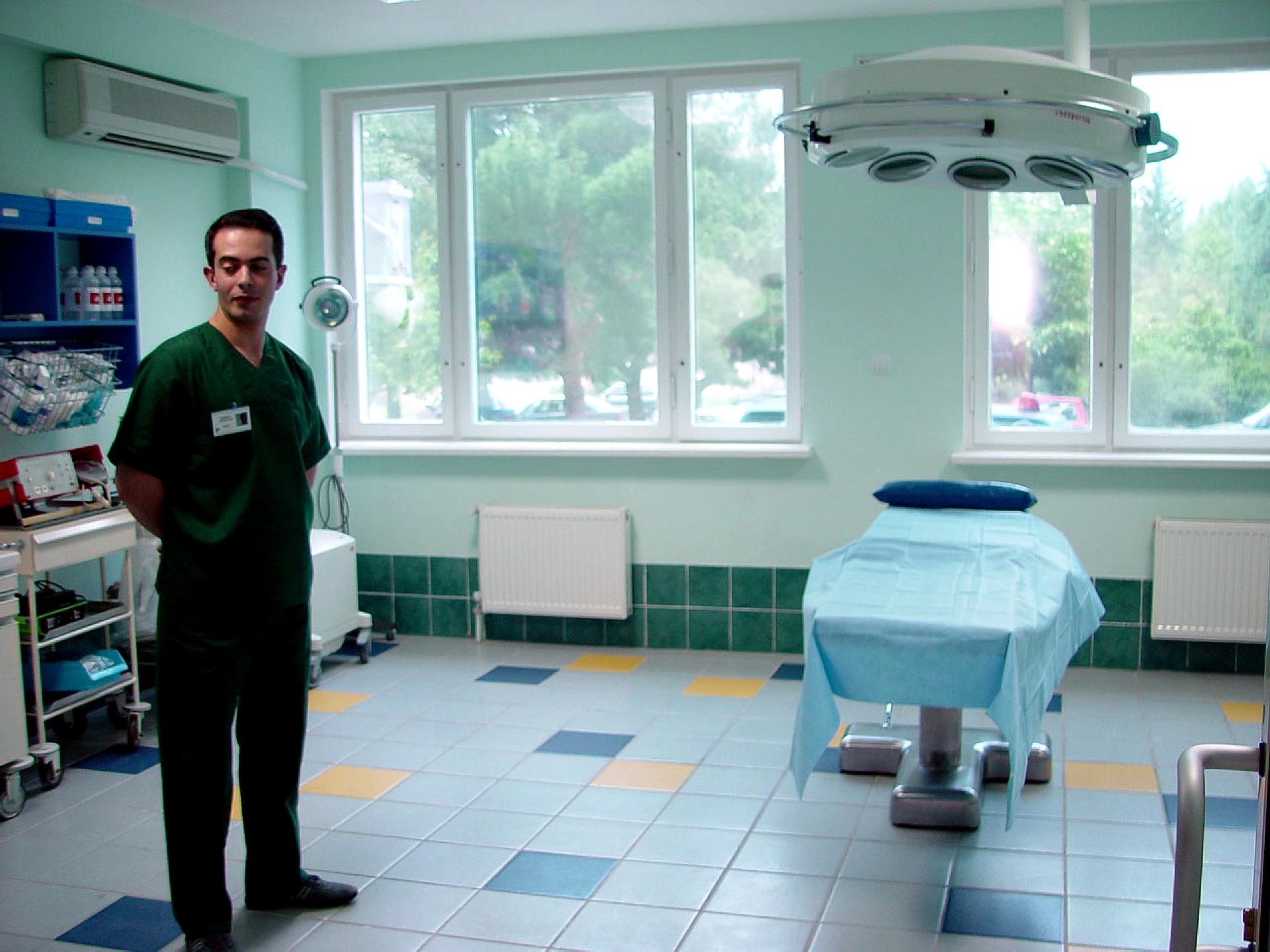
| New Hospitals | 12 Krtsanisi St. | 285 beds, inpatient and outpatient care, most doctors speak English | 032 219 01 90 |
| Caucasus Medical Centre | 23 Kavtaradze St. | multi-profile hospital, 24/7 emergency care | 032 260 06 00 |
| Todua Clinic | 13 Tevdore Mghvdeli St.; 10 Nikoladze St.; 21 Ljubljana St. | diagnostics, cardiology | 032 257 57 57 |
| Iashvili Children's Hospital | 13/6 Ljubljana St. | the country's largest children's hospital, international department | 032 205 15 15 |
| American Medical Centers | 11 Arakishvili St. (Vake) | family doctors and pediatricians, English-speaking staff, 24/7 home visits, direct insurance billing | 032 250 00 20 |
| A Clinic | 21-23 Tsagareli St. | visit 150 lari, home visit 250-300 lari, English and Russian | website, WhatsApp |
| Chaika | Chavchavadze Ave. (Vake) | specialist about 170 lari, English and Russian | 599 86 99 11 |
Batumi and Kutaisi
In Batumi, basic needs are covered by the Evex polyclinic at 20 Khimshiashvili St., and English-speaking patients have a branch of American Medical Centers at 114 Gorgiladze St. Complex cases from Adjara are often referred to Tbilisi, which is worth keeping in mind with chronic conditions when choosing between Tbilisi and Batumi.
Kutaisi and other cities have regional hospitals and polyclinics of the same chains, and Synevo laboratories operate in all major cities.
How to Book
There are three ways to book:
- By phone: most operators understand Russian, and at large clinics English too
- Through an app or website: Evex uses Ekimo, while New Hospitals, Todua, and AMC have booking forms on their sites
- In person at reception: at many polyclinics a GP will see you the same day
Bring your passport or residence card and your policy, if you have one. A doctor in Georgia will issue an electronic prescription, without which prescription drugs, antibiotics included, are not sold at any of the pharmacies in Georgia.
Language of the Visit
Younger doctors more often speak English, and doctors over forty almost always speak Russian. At the large chains you can ask for a doctor with the language you need when booking. If there is no common language, three things help: a translator on your phone, the international names of your medicines written down in advance, and a Georgian-speaking companion.
Insurance and Payment
A local policy, which starts at 50 lari a month, usually covers visits, tests, and hospitalization at the insurer's partner clinics, while treatment by other doctors comes out of your own pocket.
International policies work on a "pay first, get reimbursed later" basis, and only clinics for foreigners bill the insurer directly. Which clinics are in a policy's network is worth checking before buying, when choosing health insurance in Georgia.
In Short
- Emergency: 112, the ambulance is free, treatment is paid
- Cold, tests, a child: an Evex district polyclinic or a Synevo lab
- Surgery, inpatient care: New Hospitals, Caucasus Medical Centre, Todua
- Need English and direct insurance billing: American Medical Centers
- No referral needed, specialists are booked directly
- Bring your passport, policy, and list of medicines to every visit
Frequently Asked Questions
No. Cardiologists, dermatologists, gynecologists, and other specialists are booked directly by phone, through the clinic app, or at reception, often for the same or the next day.
At a chain clinic a GP visit costs 50-70 lari and a specialist visit 60-100 lari. At clinics for foreigners with English-speaking staff a GP visit costs 100-200 lari, a specialist visit costs 150-250 lari, and a home visit costs 250-350 lari.
Calling an ambulance on 112 is free for everyone. Further treatment in the emergency department and hospital is paid, either out of pocket or by insurance.
Doctors over forty almost always speak Russian, younger ones more often English. At the large chains you can ask for a doctor with the language you need when booking, and at clinics for foreigners all staff speak English.