Русский
 English
 ქართული
 Français
 Türkçe
 Հայերեն
 Қазақша
 Polski
 Azərbaycanca
 O'zbekcha
 中文
 Deutsch
 Español
 العربية
 فارسی
 हिन्दी
 עברית
 Relocation 4 min read
The First 7 Days in Georgia: What to Do Right After You Move
 GustawsonEditorial Team · Bebgur
The first week in Georgia is mostly logistics: getting connected, cash, the ride from the airport, and figuring out how much time you have on a visa-free stay. Here is what to handle in the first few days so you don't waste time or money on typical newcomer mistakes.
SIM Card: First Stop at the Airport or in the City
A local SIM card costs 5 to 30 lari depending on the carrier and data allowance, while for a longer stay mobile internet in Georgia is cheaper on 30-day packages. Starter options:
- Cellfie (former Beeline): weekly packages from 7 lari
- Magti: 5 GB for 15 days at 15 lari, fastest speeds in Tbilisi in tests
- Silknet: unlimited data and calls for 15 days at 30 lari, best nationwide coverage
You can buy a SIM right at the airport or at any operator's shop in the city; a passport is required, but the process takes just a few minutes. Some carriers, including Silknet, also sell an eSIM that can be activated remotely before you even fly out, without waiting to land.
Cash and Currency Exchange
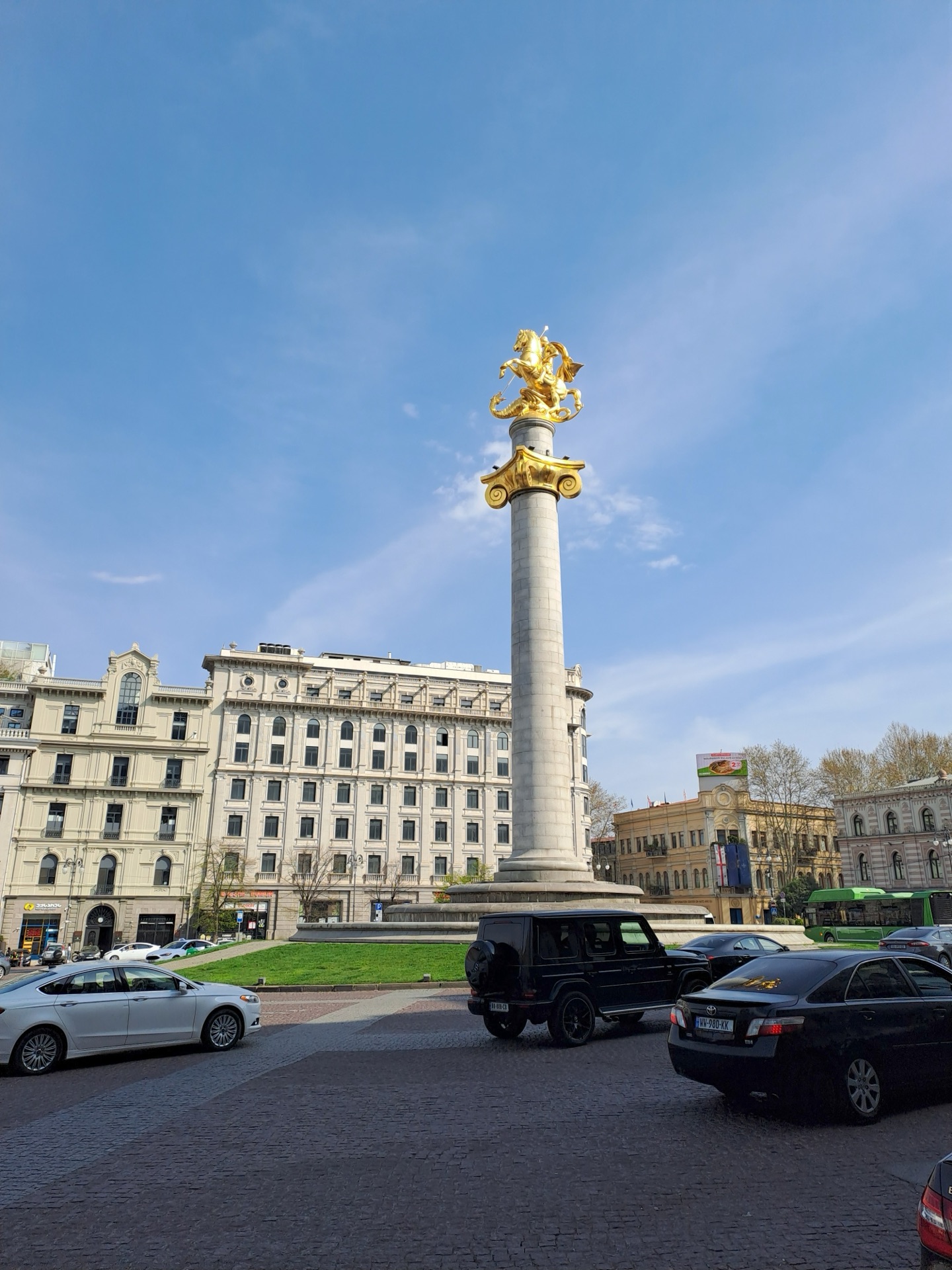
At the airport, withdraw only a small amount of cash, 50 to 100 lari, for the taxi and initial expenses: the exchange rate there is usually 5 to 8% worse than in the city. The best rates are at exchange bureaus around Freedom Square, on Rustaveli Avenue, and near Dezerter Bazaar, but before handing over money ask how many lari you will get: some boards show a rate that applies only to large amounts. Approximate rates as of early 2026:
- 1 US dollar: about 2.7 lari
- 1 euro: about 2.95 lari
- 1 British pound: about 3.4 lari
Check the current rate separately before exchanging: currency exchange in Georgia costs almost nothing for dollars and euros, while rubles lose about 7.5%. Bank of Georgia and TBC ATMs on nearly every corner in central Tbilisi accept Visa and Mastercard without issues, and the withdrawal fee is usually 3 to 5 lari per transaction regardless of the amount.
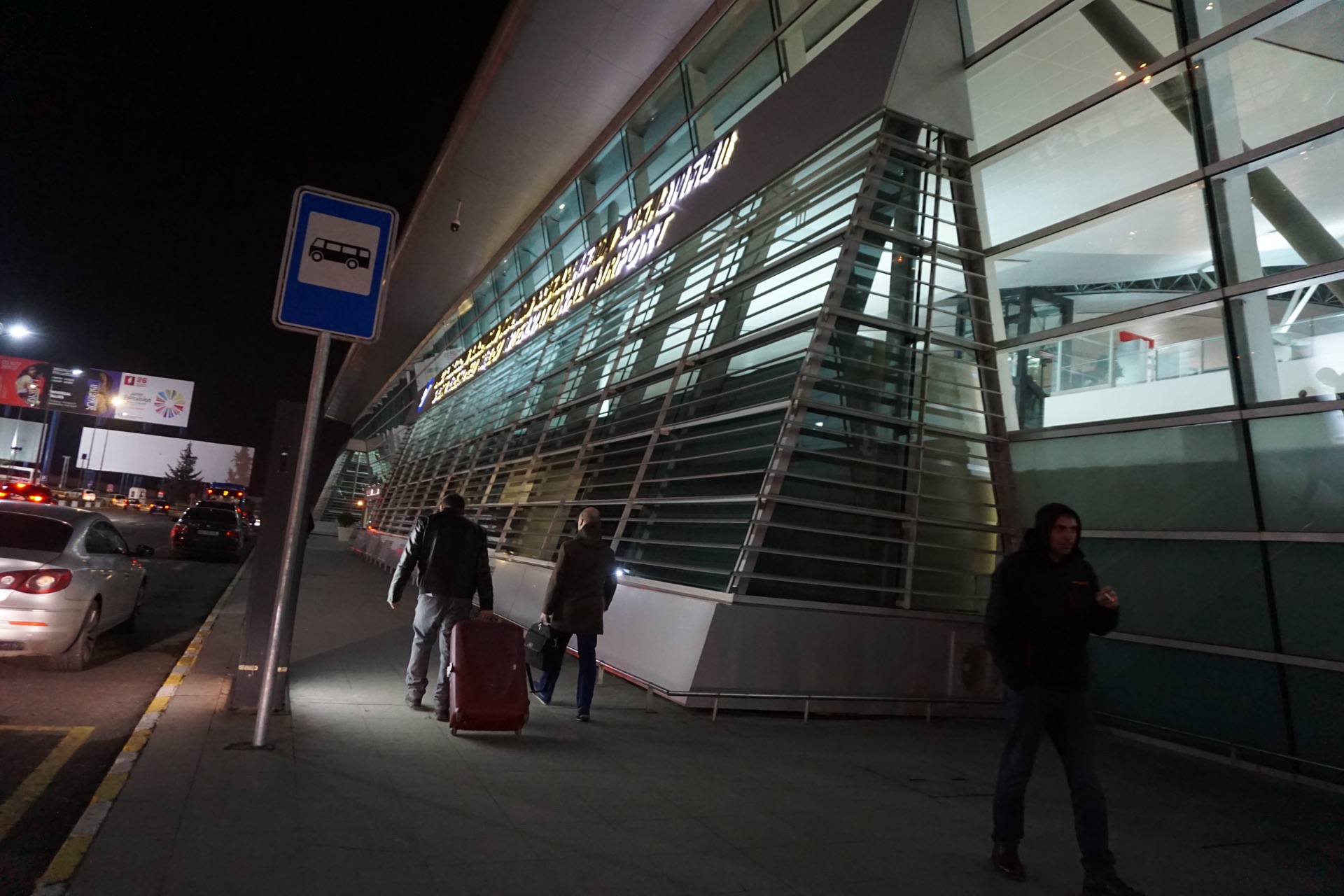
Airport Taxi: App Only
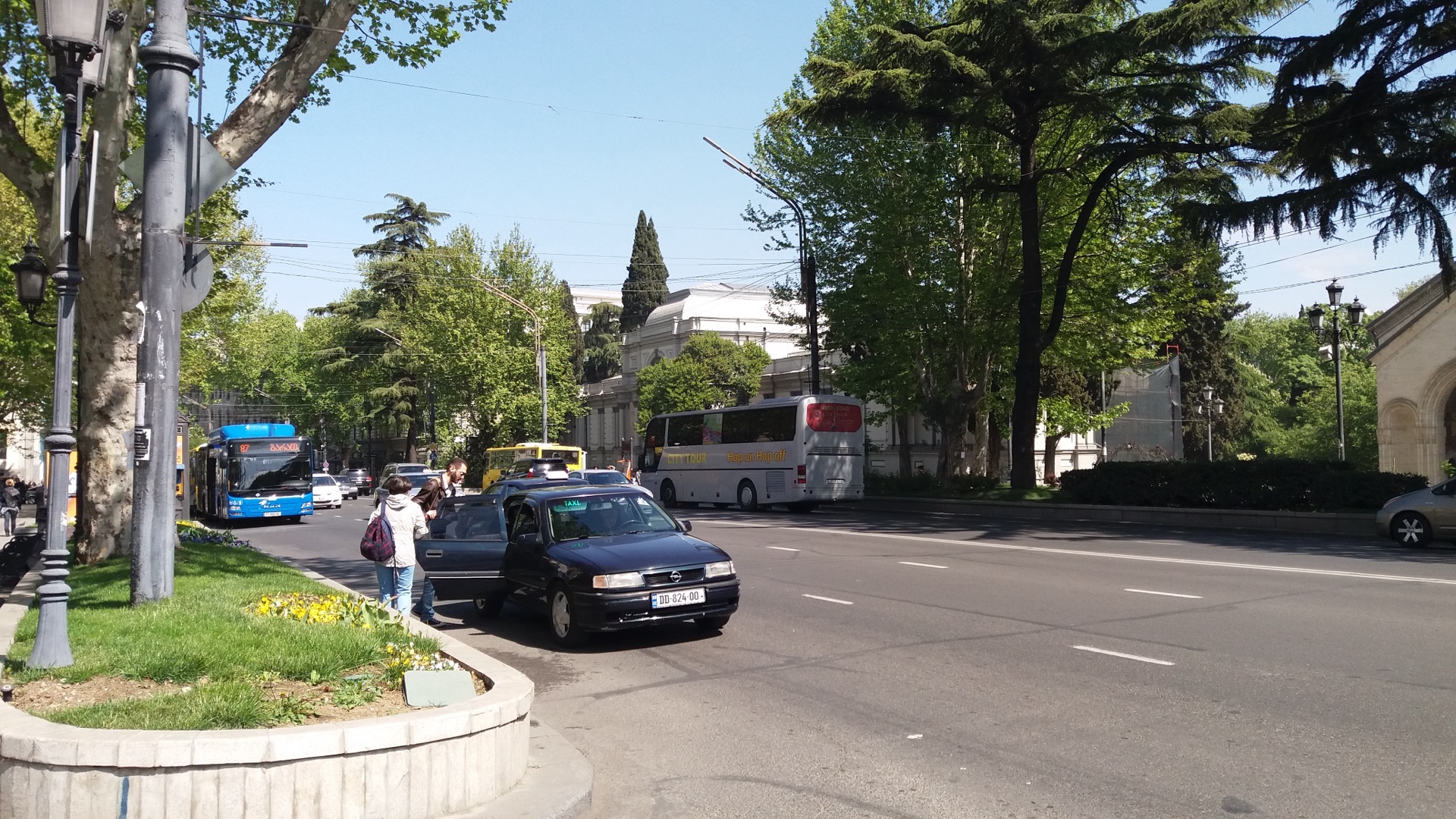
A taxi ride from Tbilisi Airport to the city center through the Bolt or Yandex Go app costs 30 to 40 lari, and the final price is shown before you book, so the driver can't change it. Street taxi drivers at the terminal exit regularly quote tourists 200 to 380 lari for the same ride, so don't get in a car without booking through an app first.
- Bolt: the most cars, the most popular option
- Yandex Go: 10 to 20% cheaper on average, better availability at night and in residential districts
It's worth keeping both apps installed and comparing the price before booking, since they periodically differ.
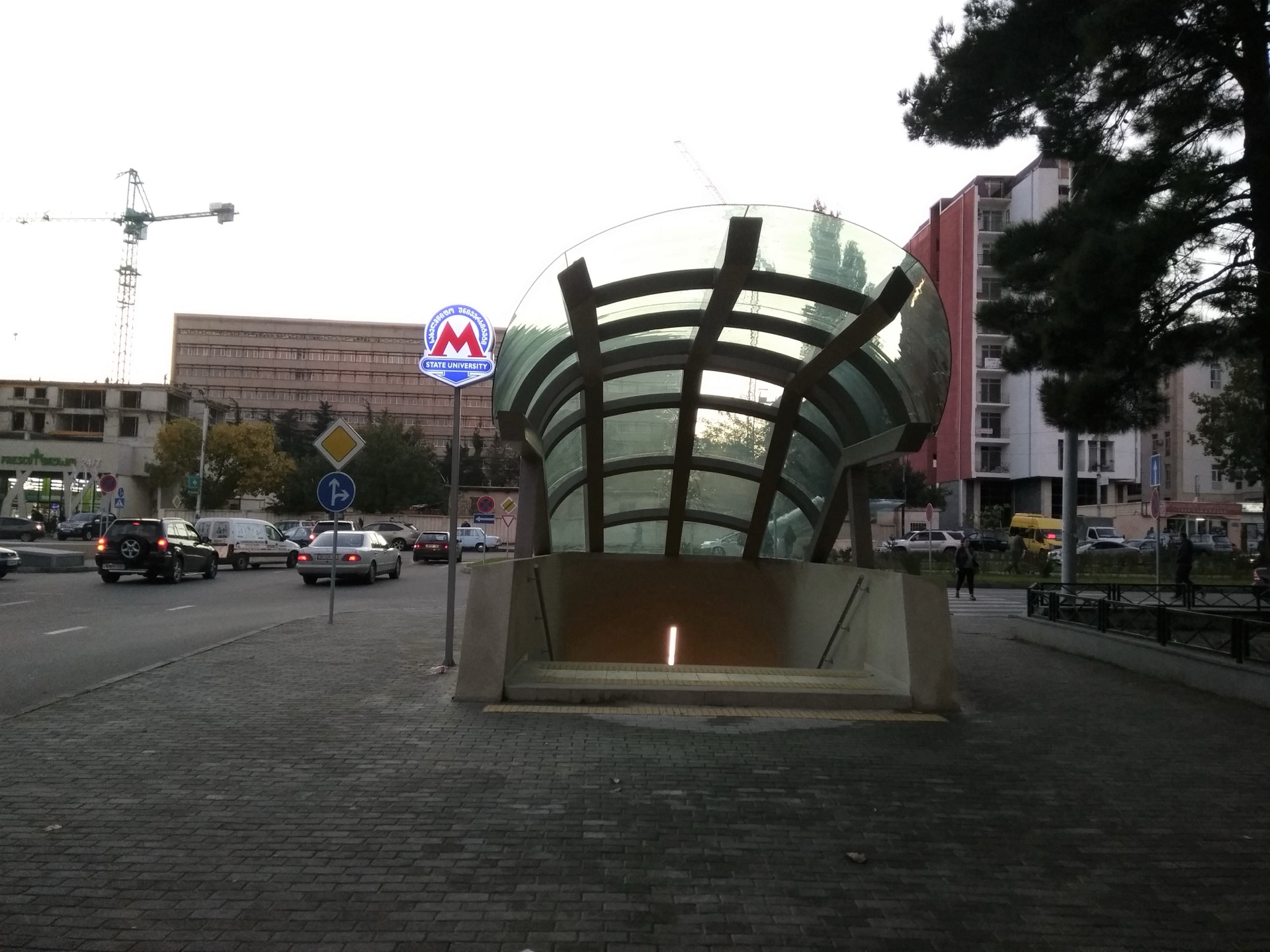
Metromoney: The Card for the Metro, Buses, and Cable Car
The Metromoney transport card costs 2 lari, a refundable deposit, and can be bought at the ticket window or a machine at any metro station; no passport needed. It works across all public transport in Tbilisi: metro, buses and minibuses.
- One tap costs 1 lari and gives 90 minutes of transfers between the metro, buses, and minibuses
- A cable car ride costs 2.5 lari one way, billed separately
You can top up the card at metro stations, at Bank of Georgia payment terminals, and at dedicated service points.
Groceries and Everyday Shopping
Major supermarket chains Carrefour, Nikora, Goodwill, Spar, and Fresco have locations in every Tbilisi district, and all of them also offer grocery delivery in Georgia through Wolt or Glovo.
Nikora, the country's widest chain (over 200 stores, around 167 of them in Tbilisi), is the strongest pick for meat and sausage, Goodwill leads on ready meals and pastries, Spar sits at premium prices but is the easiest place to find European brands like German bread or Dutch cheese, and fresh Georgian bread from an in-house bakery usually runs under 1.5 lari at Fresco.
Fresh vegetables, fruit, herbs, and cheese are cheaper and often better quality at neighborhood markets (bazroba), though cards are accepted less often there and haggling over cash is standard practice.
Where to Stay for the First Week
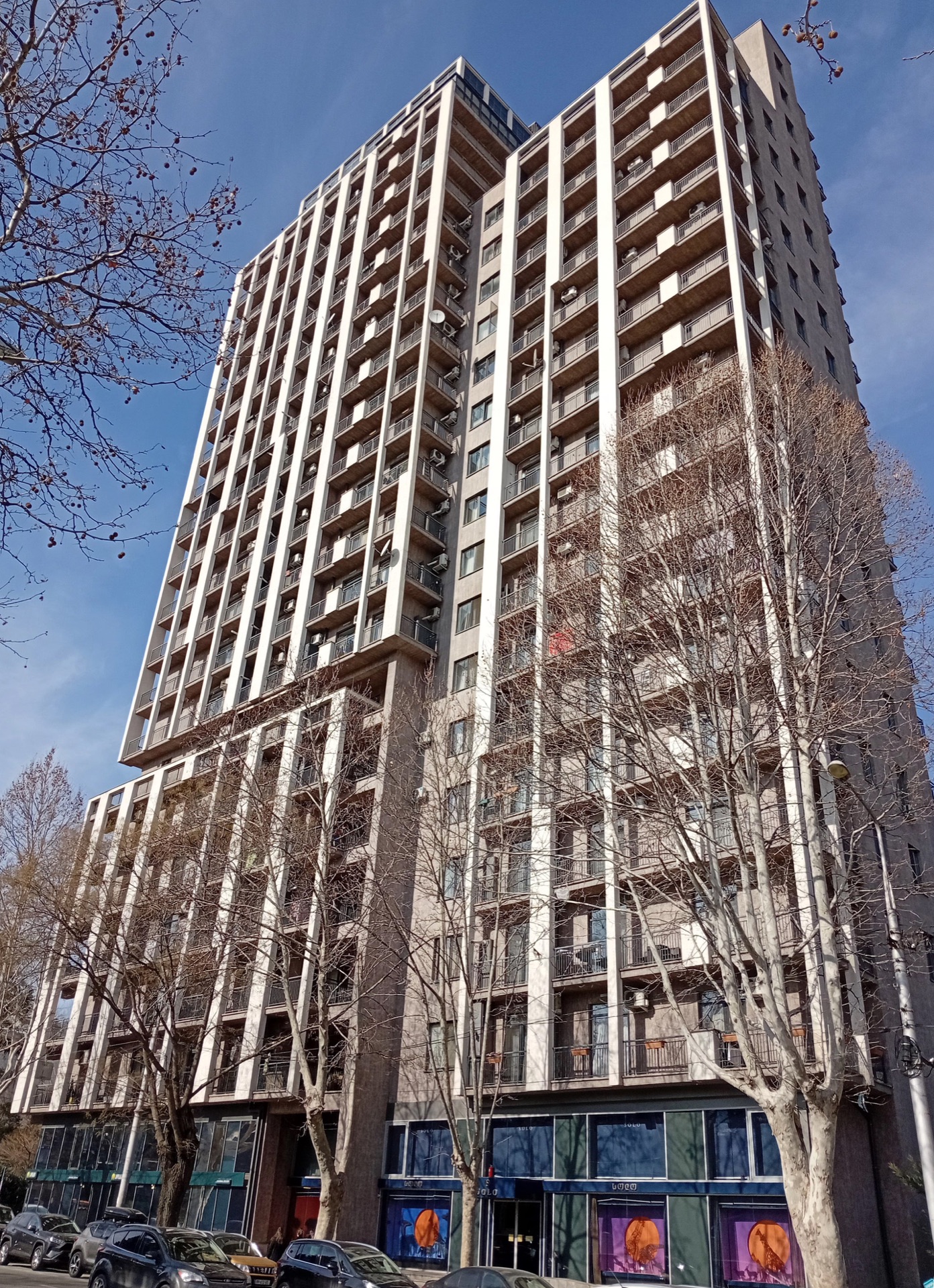
Before settling on a district to live in long-term, it's smarter to book a place for the first week or two through Booking.com or Airbnb rather than signing a long-term lease right away: that gives you time to look around and compare neighborhoods instead of overpaying for an apartment picked sight unseen on day one.
Short bookings in residential districts like Saburtalo or Didube are usually cheaper than in the tourist center and closer to everyday infrastructure: supermarkets, pharmacies, transit stops.
The Single Emergency Number: 112
The number 112 covers police, ambulance, and fire services, works nationwide around the clock, and goes through even without a SIM card in the phone, over any available network. Save this number on day one, and keep in mind dispatchers answer in English too.
How Long You Can Stay Without a Visa
How long you can stay visa-free in Georgia depends on citizenship: 90 days for some countries, up to 365 days per entry for others, and the exact figure is stamped right into the passport on arrival, worth checking on day one. If the plan is to stay longer than that or to work officially, the usual next step is a residence permit in Georgia.
Separately, since 2026 border officers check for a health insurance policy in Georgia covering at least 30,000 lari for medical treatment and accidents; this applies to visa-free and tourist-visa entry specifically, not to someone already holding a residence permit.
There's no separate fine for not having one, but border officers can deny entry right at passport control on that basis.

Frequently Asked Questions
Right at the airport or at any operator's shop in the city: Cellfie has packages from 7 lari a week, Magti offers 5 GB for 15 days at 15 lari, and Silknet has unlimited data for 15 days at 30 lari. You need a passport to buy one, and the process takes a few minutes.
The best rates are at exchange bureaus around Freedom Square, on Rustaveli Avenue, and near Dezerter Bazaar, usually with no hidden fee. Airport rates run 5 to 8% worse, so exchange only a small amount there for your first taxi.
Through the Bolt or Yandex Go app, the ride costs 30 to 40 lari with the price fixed before you book. Street taxi drivers at the terminal can ask for 200 to 380 lari for the same ride, so don't get in a car without booking through an app first.
The card costs 2 lari (a refundable deposit) and can be bought at any metro station without a passport. One tap costs 1 lari and gives you 90 minutes of transfers between the metro, buses, and minibuses. The cable car is billed separately, at 2.5 lari.